










Sister Betsy Jean Farrakhan, affectionately called by family and close friends as “B.J.,” was a quintessential embodiment of a woman of God. She was as stern as she was beautiful, her heart full of love for the Believers, in particular for the women of the Nation of Islam. While her tenure as National M.G.T. and G.C.C. Captain of the Nation of Islam was and is legendary, her impact in farming and agriculture was and is just as impactful.
Always willing and eager to assist her father, the Honorable Minister Louis Farrakhan, in his mission as the National Representative of the Most Honorable Elijah Muhammad, Sister Betsy Jean began studying agriculture and farming.
She learned from Will Allen, of Growing Power, and was trained in his Sustainable Food Training Program where she became deeply engaged in the science of healthy soil and organic food production. Mr. Allen, a retired professional basketball player turned urban farmer, was very instrumental in that effort.
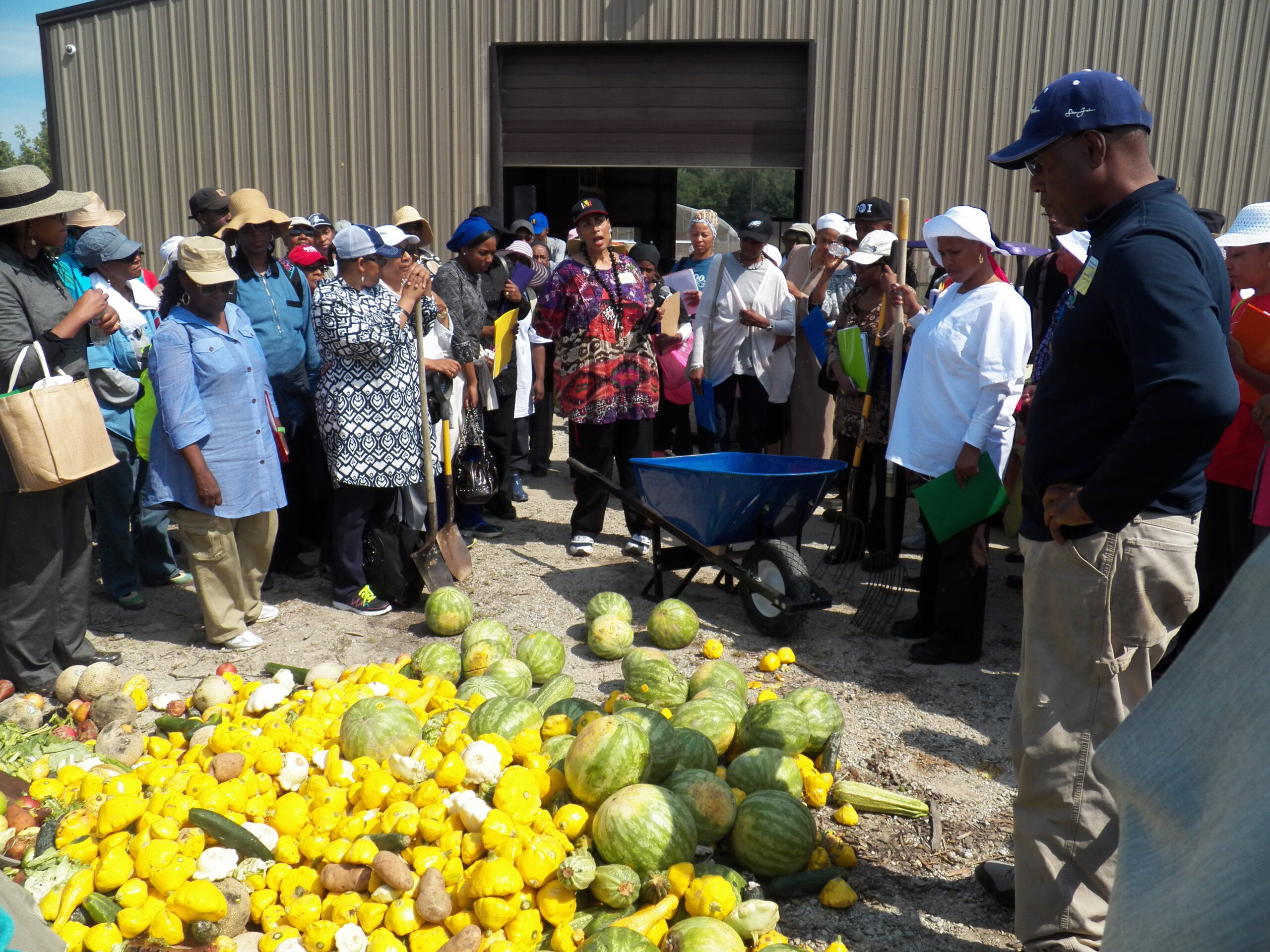
He told The Final Call that he met Sister Betsy Jean after Minister Farrakhan visited Growing Power for a tour, and later, Mr. Allen hosted she and her husband Brother Maurice, in a five-month training program. They learned how to grow produce and raise red worms to get the worm castings as fertilization for the Michigan Farm. Mr. Allen also worked with Sister Betsy Jean in her desire to construct hoop houses. “And they started growing inside, and all their bedding plants, and then her worm farm started expanding, and I was very proud of them that they followed through on it,” said Mr. Allen.
“I think it’s been a great example of her being able to demonstrate how you can do it, especially with people from the Nation coming up there and seeing what she’s doing. I think that is what has inspired a lot of people to want to grow in their backyards or side yards or do a community farm. So, I think she’s been very instrumental in moving some of the work that I’ve been doing many, many years forward. I think I’m just shocked that we’ve lost her. That was a shock to me …,” said Mr. Allen.
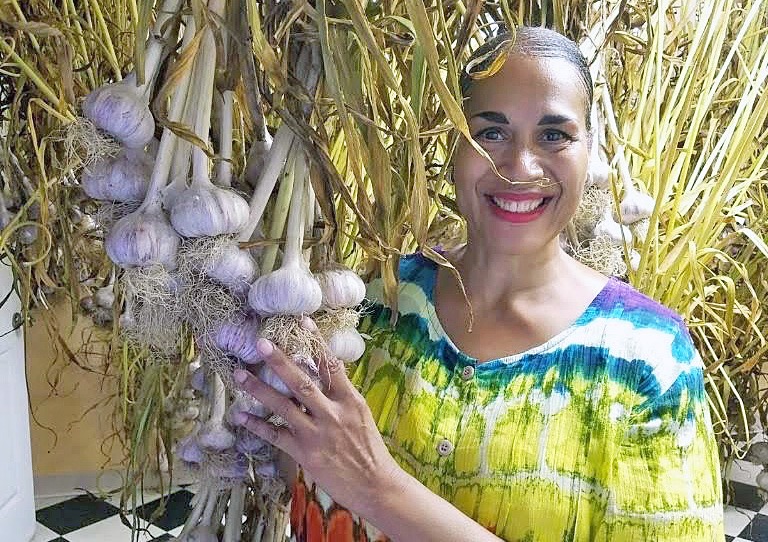
With her new training, Sister Betsy Jean set out to teach others. In July 2015 she organized and helped host the first Michigan Farm Agricultural Workshop at The Farm. For the past several years she also helped bring the Michigan Farm Farmers Market into fruition where fresh, healthy and organic produce is made available for sisters and brothers in the Central Region of the Nation of Islam to travel to and and support the farmers market.
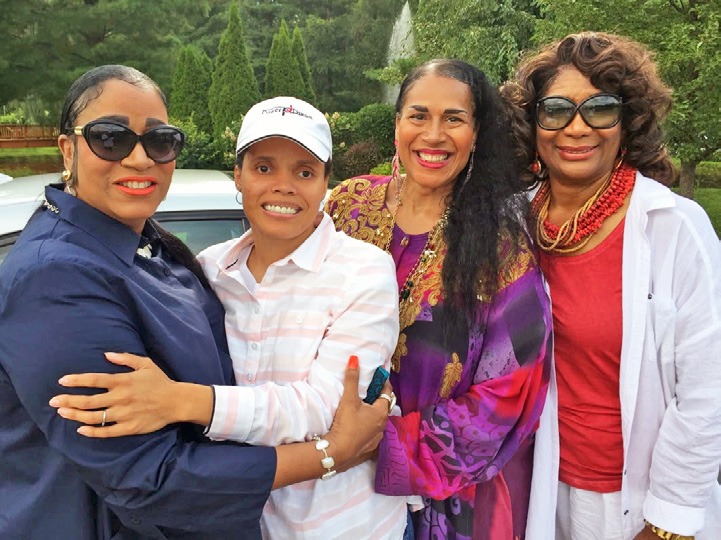
Those who labored alongside Sister Betsy Jean at The Farm shared the impact and influence she had on them as they witnessed her commitment and dedication to growing healthy food and training others to do the same.
Brother Dr. Ridgely Abdul Mu’min Muhammad is manager of Muhammad Farms in Georgia, a Student Minister of Agriculture for the Nation of Islam, and a member of the Nation of Islam Research Group. Though she was a city girl, she turned herself into a farm girl, and has led the sisters and other believers into doing their own gardening, and some into farming, he noted.
He recalled meeting her in 2002, when Minister Farrakhan invited him and his wife, Sister Ann, to his home at the Michigan Farm to spend time with the family. Sister Betsy Jean was present. “I didn’t really know at that time how much of a farmer that she would become,” said Brother Dr. Ridgely.
“So, she could have been a beauty queen, and she was a beauty and a queen all the way to the end,” said Brother Dr. Ridgely. She gave inspiration to the Nation to get back into farming, “so I say All Praise is due to Allah for Sister Betsy Jean Farrakhan!” he added.
Some members of her team, whom she considered family, reflected on her life and journey, including awards she received for her relentless sacrifice and work. That includes receiving a Lifetime Achievement Award during the 2026 Saviours’ Day Awards Banquet.
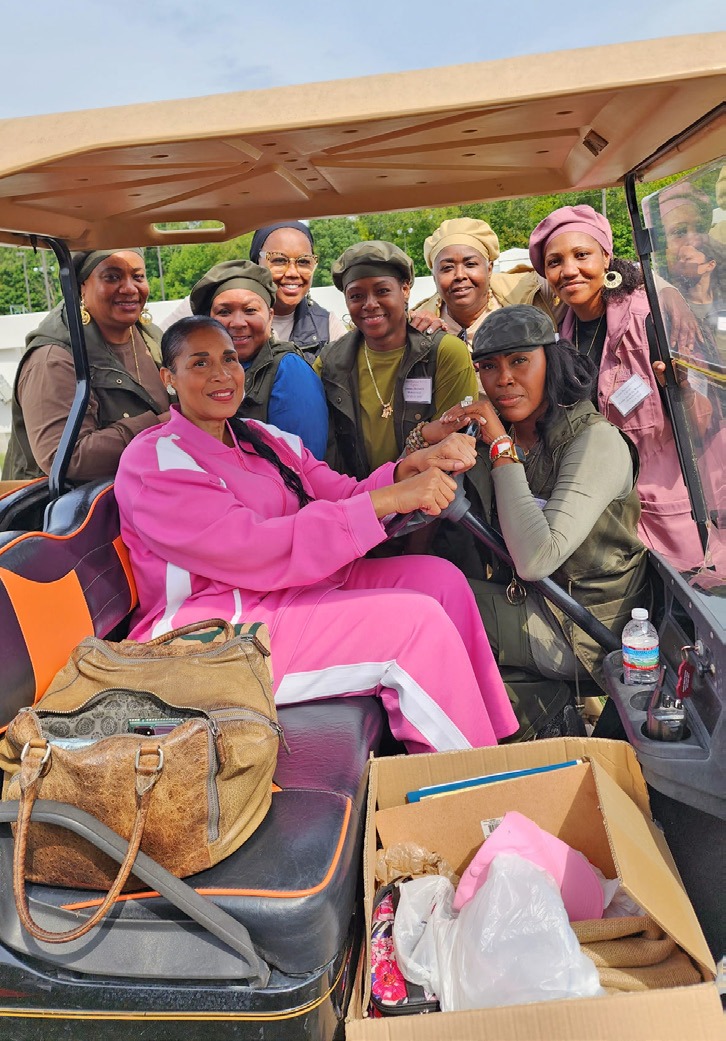
Sister Mele Muhammad, who began assisting Sister Betsy Jean with with the growing of produce at the Michigan Farm in 2017, described her as an exceptional sister, friend, teacher—strict and highly knowledgeable, while also loving, motherly, and deeply appreciative of the workers.
“That’s what makes everything be successful. She is very on top of what she wants, how she wants it, all the way down to the science of why. We always knew and were able to explain in depth and in detail why she does things the way she does,” said Sister Mele.
Sister Betsy Jean was a wonderful teacher and student, an in-depth researcher who asked questions, she continued. “She’ll look at from the front, from the back, from the side to side, because her goal is to never, and she said this a lot, never let her father down. That was her ultimate goal. Yes, the farmers market, but it was to always to please the Minister. She put that in us day after day: ‘Do not let my father down. I cannot let my father down. This needs to be pleasing to the Minister,’” she stated.
That spirit carried into every effort, according to Sister Mele, from beautifying the area to handling the vegetation. “The spirit we have when we’re handling the vegetation, she always talked about how that’ll go into the food and the taste,” she said.
Sister Mele feels that Sister Betsy Jean’s legacy must and will go on, by Allah’s Grace, Mercy and Will, “and that in her name, we will be able to perpetuate everything that she’s built and continue to provide healthy produce for the believers and just make it better and better each year.”
Sister Shahidah Muhammad, a homesteader with her husband, Brother Student Minister Shahid Muhammad, of Mosque Maryam in Chicago, shared that growing food is one of the many lessons she learned from Sister Betsy Jean.
“I learned from her the importance of tilling the soil, working the land, and it was really more than just the food. It was a spiritual journey that I had with her about working and becoming one with Allah,” she stated, adding, “because when you’re tilling the soil and you’re planting the seed, you’re literally creating life that you will take in, ingest, and it will sustain your own life.”
Sister Shahidah said that she also learned in those many moments together with Sister Betsy Jean in the garden, about the Black women that they were literally cultivating the soil, but also talking about the cultivation of women and what is necessary to nourish the land, the soil, in order to produce the proper food.
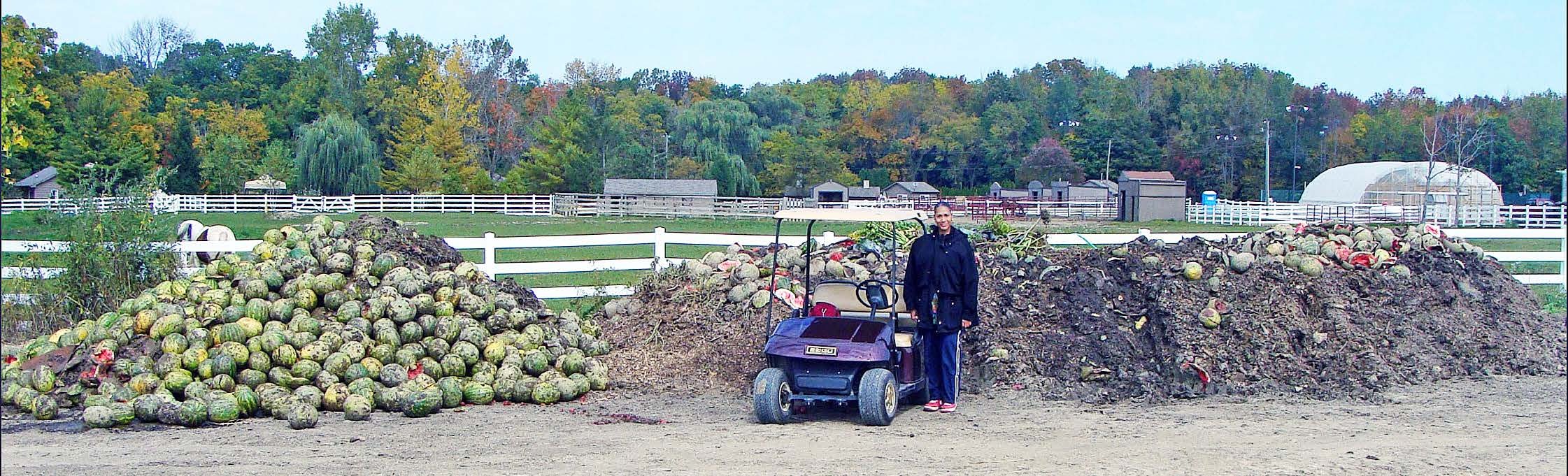
“Sister Betsy Jean was a protector and a defender of women, and in those many years that we would go through with the cultivation of the land, and I saw how she took nothing—land that was not useful—and made it useful. She literally created soil! So, I learned so much about Black women and how to cultivate myself under her as a woman learning how to till the land. I will never ever, ever be grateful enough for that,” said Sister Shahidah.
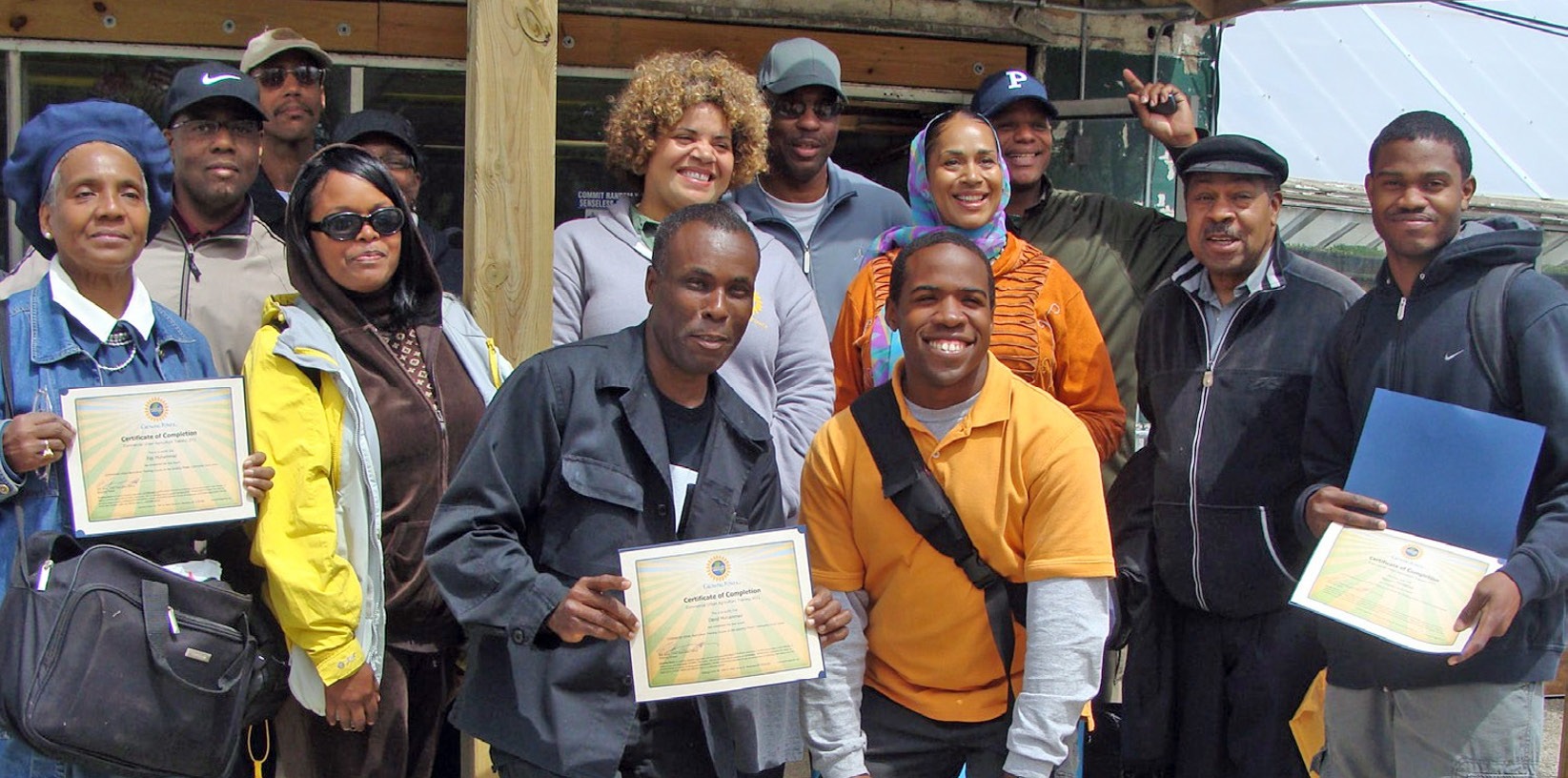
Sister Melody Muhammad met Sister Betsy Jean through the Community Urban Agriculture Certification course led by Mr. Allen in Milwaukee. Their relationship developed through shared physical work, fireside conversations, humor, and a common passion for agriculture, she told The Final Call.
Sister Melody said that Sister Betsy Jean was a hands-on example who duplicated Mr. Allen’s program at The Michigan Farm. “She’s not with us physically, but she’s with us in spirit. … She’s a mentor to me,” said Sister Melody, who brought what she learned at Mr. Allen’s farm and under Sister Betsy Jean’s tutelage to Chester, Pennsylvania.
“I’m just so blessed that I’ve got a chance to know her on a personal level because I know that doesn’t happen for everybody. She was so down to earth and she was so funny,” she added.
Sister Angelita Muhammad, an urban farmer, who has been growing quick crops year-round for retail at local farmers markets for the last eight years, met Sister Betsy Jean in 2014 during agriculture training at Mr. Allen’s Growing Power.
“The farm would serve the 50-plus participants dinner in their warehouse and amidst all the eating, cocktail chatter and movement, in walks this tall, imposing figure that immediately caught my attention. When I realized it was my sister, I excitedly approached her with the greetings and introduced myself. We had the best conversation about composting, of all things,” Sis. Angelita recalled.
“We were like two schools girls giddy about our love of composting. The conversation, although brief, was full of excitement and laughter. I had no idea, at the time, the impact she would have on me and our Nation, being a true vanguard as a Black, Muslim farmer. I am so grateful to have shared time and space with her. May Allah continue to reward her and us for the best of what she accomplished in this life.”
