








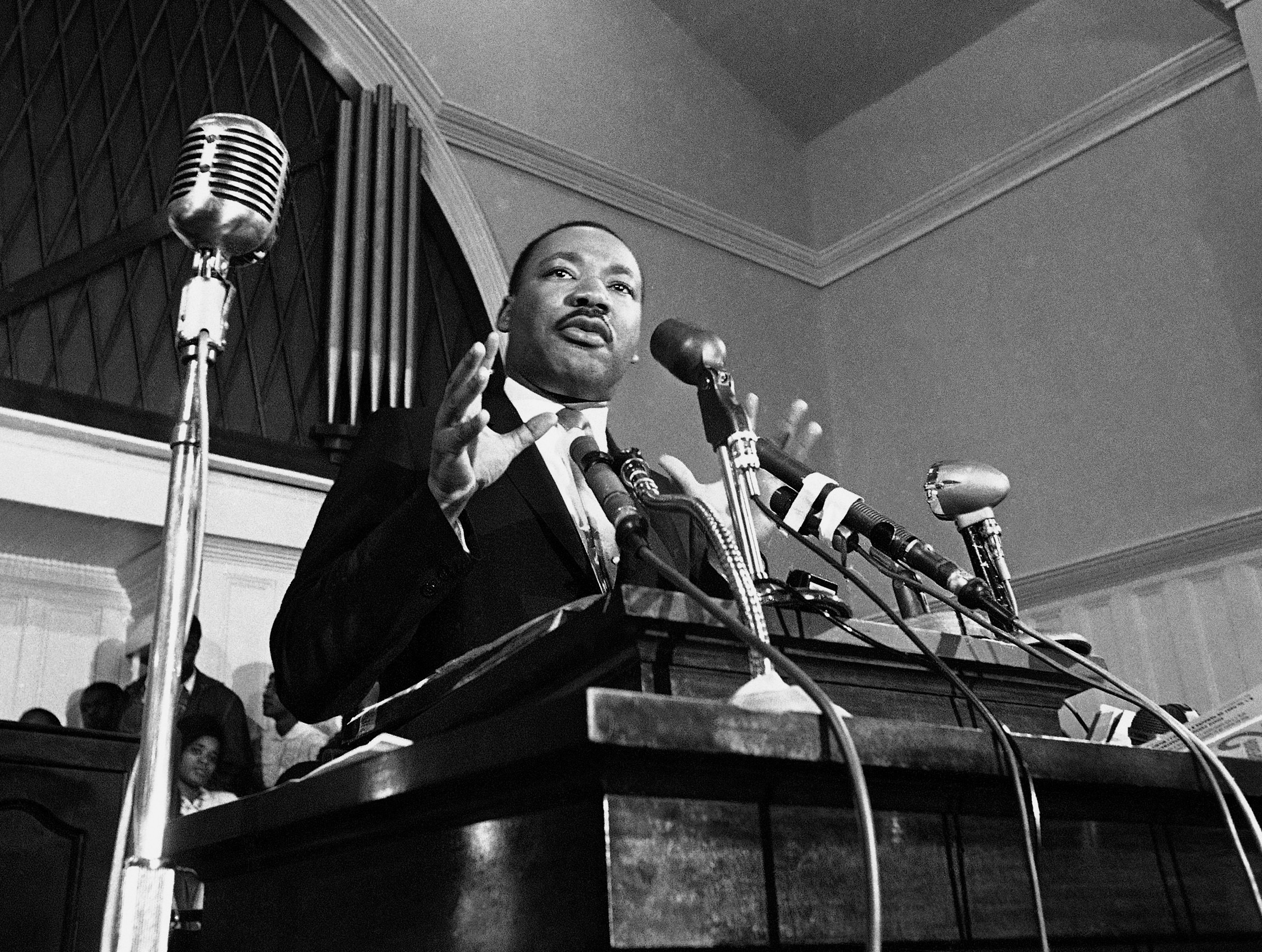

In the 58 years since his assassination, Dr. Martin Luther King Jr. has been America’s premier civil rights icon, as the country lifts his name every January for MLK Day and every February during Black History Month. Movies are made about him, and street signs are named in symbolic efforts to honor his work and legacy.
Yet, as the public education system continues to unravel, with books on Black history and Black studies programs being banned across the country, recognizing the fullness of the life and legacy of Dr. Martin Luther King Jr., rather than the version paraded in front of the American people, is important now more than ever.
“It’s important for us to preserve Dr. King’s legacy—his true legacy. There has been a long history of the co-opting of his legacy, and a mainstream narrative was created to actually sanitize the legacy of Dr. King.
So that he might be palatable or digestible for mainstream audiences containing many people, leaders in organizations, who feel comfortable celebrating and honoring a sanitized version of a man that when he was alive.

They actually detested, opposed and hated,” Nation of Islam Student Minister Demetric Muhammad, an author and researcher based in Memphis, Tennessee, said to The Final Call.
Dr. Melina Abdullah, co-founder and director of Black Lives Matter Grassroots, believes that by missing the fullness of Dr. King’s work, Black people are led to believe that the path toward liberation lies within oppressive systems.
“When we align ourselves or digest the … distorted view, distorted presentation, of who Dr. King was and what his agenda was, we’re actually feeding into an agenda that is dependent on our own oppression,” she said.
Lewis V. Baldwin, emeritus professor of religious studies at Vanderbilt University in Nashville, Tennessee, explained that Dr. King was a man who lived for the truth.
“Dr King’s life and work were really about a progressive march toward truth. He spoke truth, he acted on truth, he lived truth and he suffered for truth. And I think that is quite significant in terms of what we should be about today, because truth is under attack today,” he said to The Final Call.
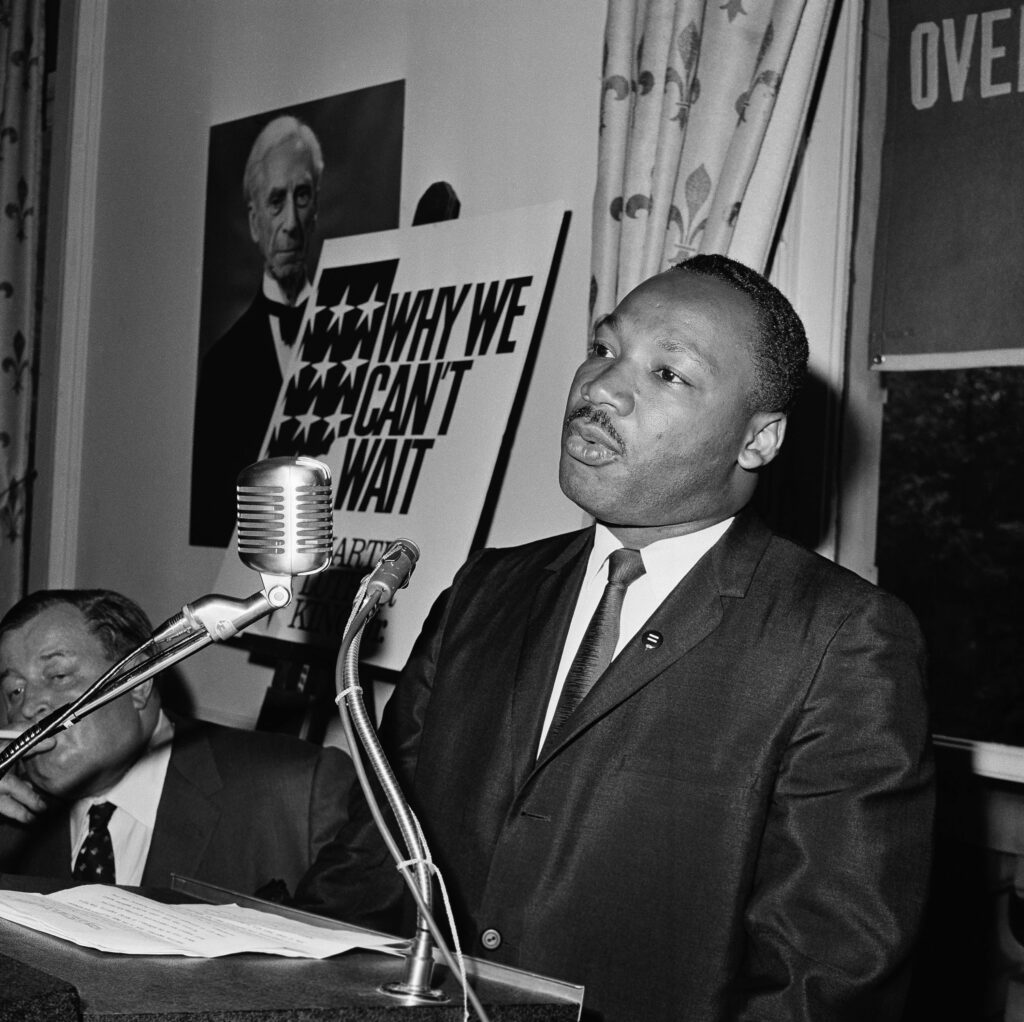
Erasure of Dr. King
In the distortion of Dr. King’s life and legacy, his evolutionary journey is often left out of the conversation and the classroom, including his historic meeting with the Most Honorable Elijah Muhammad, Eternal Leader of the Nation of Islam, on February 24, 1966, in Chicago, just two years before King’s assassination.
The Honorable Minister Louis Farrakhan, National Representative of the Most Honorable Elijah Muhammad, has reintroduced to the world the real, “unsanitized” Dr. King.
“Most of America: They don’t know Elijah Muhammad, they don’t know Malcolm X and they don’t know Dr. Martin Luther King Jr. Martin Luther King Jr. was marching toward a goal. He was evolving toward a goal and was assassinated before he reached it,”
Minister Farrakhan said in Part 23 of his 58-week lecture series, “The Time and What Must be Done,” delivered in 2013. “Where would Dr. King be today if he were alive to walk among us?” the Minister asked.
Student Minister Demetric Muhammad characterized the “I Have a Dream” King as the safe, acceptable version of the revolutionary leader. “But after that,” he said, “he began to evolve and grow.”
“We have to remember, Dr. King was very young. His greatest achievements were the achievements of a young man. He died at 39. So, he’s speaking to hundreds of thousands of people on the mall in Washington as a young man.
He wins the Nobel Prize as a young man. He becomes this charismatic leader of the Civil Rights Movement as a young man. And so, the question arises, who was he after the ‘I Have a Dream’ speech?” Student Minister Demetric Muhammad asked.
When Dr. King met with the Most Honorable Elijah Muhammad, “they didn’t disagree with each other,” he added. Instead, they found common ground as two sons of Baptist preachers, two sons of Georgia, two members of the Black clergy and two men who loved their people. “Those are aspects of Dr. King’s legacy that you never find in mainstream celebrations of Dr. King,” he said.
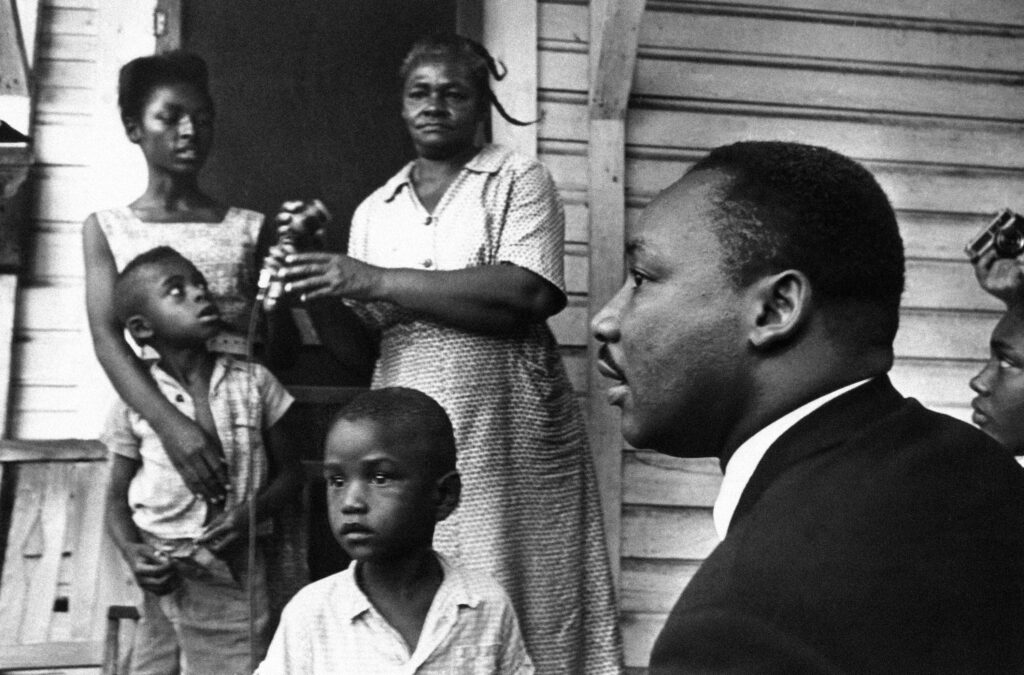
Student Minister Demetric Muhammad brought up Dr. King’s words to the sanitation workers in Memphis just a day before he was shot and killed, when he called for Black people to “redistribute the pain” via an economic withdrawal of Black dollars.
“By the end of his life, he was absolutely a radical, which means that he believed in the transformation of the world, not just reform,” Dr. Abdullah said.
Mr. Baldwin has written several books on Dr. King. The distortion of Dr. King has been ongoing for years, since the 1970s and 80s, he said to The Final Call. The distortion started soon after Dr. King’s death in efforts to advance political agendas that went against what he taught.
Fast forward to today, Amilcar Shabazz, treasurer and immediate past president of the National Council for Black Studies, pointed out the continuation of attacks on Dr. King’s legacy by what he referred to as White Christian nationalists.
“We’ve had comments against Black History Month. We’ve had comments against different holidays, against Juneteenth, against the Martin Luther King holiday itself. All of these denigrate the efforts that have been made,” he said to The Final Call.
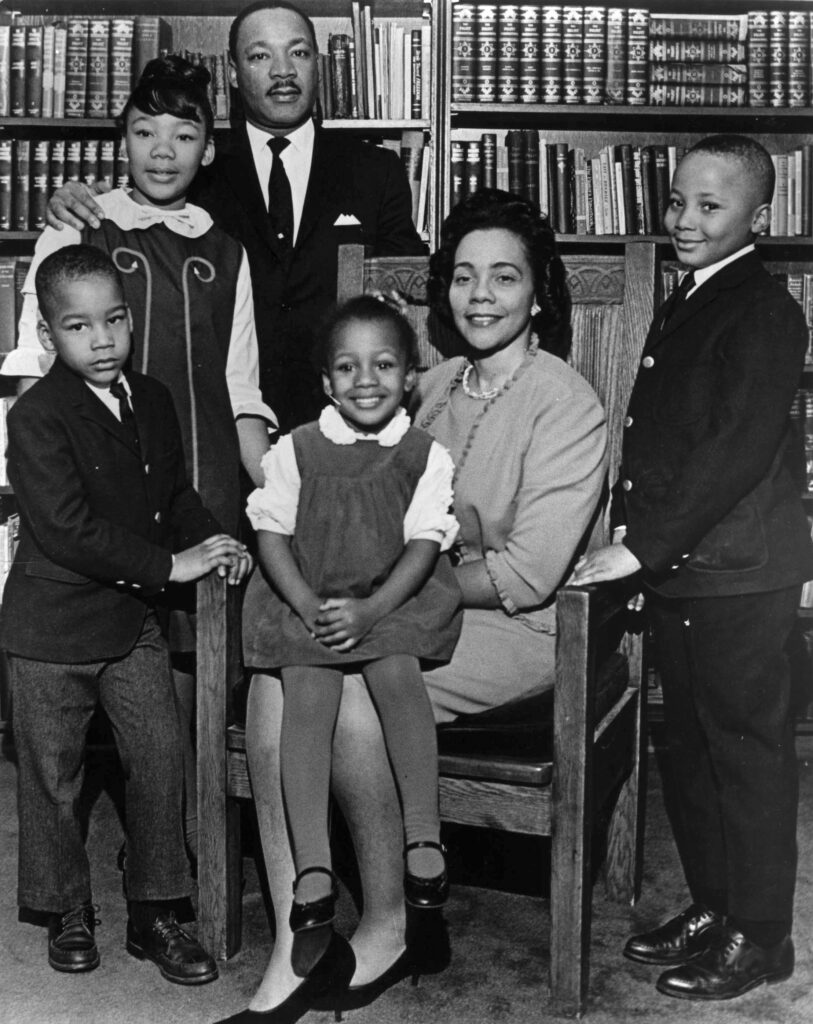
On militarism, materialism and racism
Mr. Baldwin argued that part of Dr. King that is often missed is the King who was a global thinker. “We often forget the global dimensions of his dreams, that he was concerned not only about advocating and fighting for freedom in the United States and freedom and human rights.
But also freedom and human rights abroad. And I think that’s what is so often missed in our study of Dr. King, is that he was not only a national figure, he was a global figure,” he said.
Part of Dr. King’s overarching view of the world included his critique of America’s militarism, a problem that has only heightened with the U.S. government’s recent actions in Venezuela and threats against other sovereign nations.
“The use by the American empire of military means to get its way, invading countries, intervening in countries, as we now see in Venezuela, as we have seen in Cuba, as we have seen in Vietnam, as we have seen more recently threatened against Greenland,” Mr. Shabazz said.
“This whole idea of militarism, of using military power, military might, to impose the will of empires, of powerful nations against weaker nations, he (Dr. King) spoke out against that. He came out against the Vietnam War before he was killed. We don’t see enough about that.”
Militarism was one of three evils of society Dr. King identified. The other two were excessive materialism, which included a critique on poverty and capitalism, and racism.
“He talks about the connection between racism and capitalism, and that’s a threat to the capitalist class; the same capitalist class that’s raping the world, the same capitalist class that is forcing workers to work harder for less wages, less benefits, in order to create trillionaires,” Dr. Abdullah said.
Mr. Shabazz echoed Dr. King’s critique of capitalism “as an immoral system based on greed” that creates wealth for a few at the expense of those living in conditions of poverty.
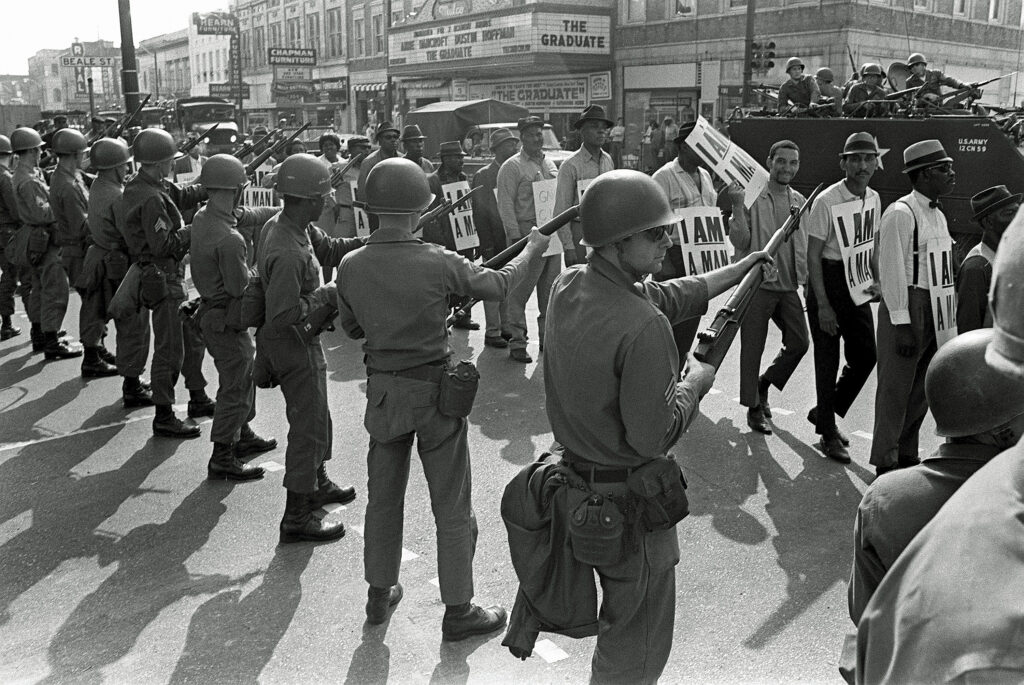
“This is what he was doing before he was assassinated with the Poor People’s March. For the Poor People’s March, how do we rein in this capitalistic, vulture kind of plantation economy and the immoral values behind it that make capitalism do what it does to make miserable so many lives?” Mr. Shabazz said.
The great civil rights leader is often remembered for his fight against racism, including his boycotts, marches and speeches targeting discrimination, segregation and voting rights, but Mr. Shabazz argued that even this part of his legacy is often reduced and sanitized.
“We hear a lot about the racism, but even within that part of his legacy, it is often reduced to he just wanted Black and White to be able to hold hands together and sing Negro spirituals. He just wanted Black and White to be able to go to the same schools or go to church together.
Or go and be together socially. It’s reduced to this question of integration, and Dr. King’s critique of racism and his challenge against racism is really much deeper than that,” Mr. Shabazz argued.
In “The Time and What Must be Done,” Minister Farrakhan described Dr. King as “a bold preacher who confronted the reality of White racism.” (See Minister Farrakhan’s centerfold article, page 20)
Keeping the legacy alive
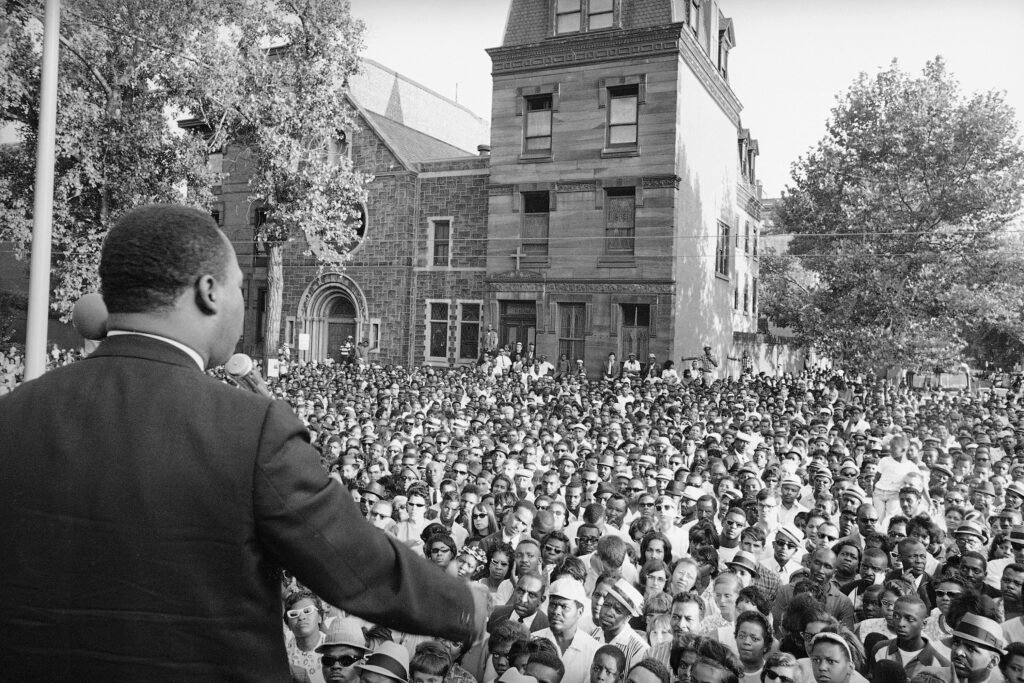
To fight erasure of the real Martin Luther King Jr. and to honor and uplift his legacy, Dr. Abdullah encouraged Black people to reclaim the “radical King.”
“Reclaiming the truth about who Dr. King was and what his legacy is and then actually doing work to transform the world is really, really important,” she said.
Mr. Baldwin urged Black people to get back to using their own institutions as teaching mechanisms. “Much of the teaching of Black families, Black children or Black people have come through our religious institutions and the family.
The two most important institutions in the Black community, and we have to go back to that, because we aren’t getting the story, the true story and the true history in our public schools. We aren’t even getting them in our private schools,” he said.
“We have to get it through Black institutions. So, I think churches, our Muslim temples, our family structures; we have to go back to this idea of being agencies of education, where we teach our own.”
Student Minister Demetric Muhammad echoed his sentiments. “Create opportunities to share the history and the knowledge and the wisdom of the elders with the young. That should be in churches, in mosques; that should be in households;
That should be in the Sunday schools, the vacation Bible schools, the Muhammad University of Islam, the Afrocentric charter schools,” he said. “Everywhere our young people are, there has to be a place within the scope of our rearing them where we insist that they receive the knowledge of our people’s history.
And not just the great men and women that they talk about during Black History Month, but also what we suffered, because knowing a people’s suffering causes you to deal with them with sensitivity and compassion.”
Mr. Shabazz advised Black people to think about the whole truth of Dr. King and to march with him. “Let’s use this occasion of remembering Dr. King and what he stood for and what the Black freedom struggle stood for in 1968; let’s see how it applies right now to 2026 and not be afraid to carry on the march towards freedom, justice and equality that he represented.”
