











—Commentary—
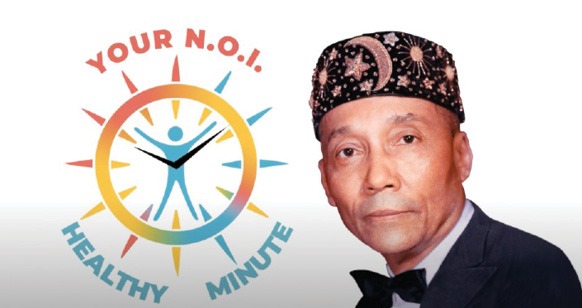
As Salaam Alaikum (Peace Be Unto You)! I’m Dr. Safiyya Shabazz here for an N.O.I. Healthy Minute.

Today, we’re shining a light on the health effects of nighttime light exposure.
Exposure to excessive light during the evening disrupts your natural sleep cycle. Your body’s internal clock uses natural cues like darkness to regulate sleep.
When exposed to artificial light in the evening, your body suppresses the production of melatonin, the hormone that helps you sleep. One study showed that just a single night of sleeping in a moderately lit room can disrupt your sleep quality, raise your heart rate and cause insulin resistance that interferes with how well your body handles sugar.
The Holy Qur’an speaks of the divine balance of light and darkness. Allah said He:‘made your sleep for rest, And, made the night a covering, And made the day for seeking livelihood’ (Surah 78:10-11). Disrupting this balance can cause fatigue and learning problems and increase the risk of chronic diseases like diabetes and heart disease.
To minimize light exposure in the evening:
- Dim the lights after sunset.
- Avoid looking at electronic devices an hour before bed.
- When it’s time to sleep, turn off or unplug all light-emitting electronics.
- If outdoor lights shine into your bedroom, use room-darkening shades or an eye patch.
Work cheerfully in the daylight hours and protect your rest at night. God said, “Let there be light!” and it was good. But He divided the light from the darkness, so “Let there be dark!” when it’s time to sleep.
If you have persistent sleep challenges, including snoring or other breathing problems, be sure to visit your doctor or other health practitioner. I’m Dr. Safiyya and this has been your N.O.I. Healthy Minute.
Dr. Safiyya Shabazz is a family physician based in Philadelphia. This article is not intended to provide health care advice or recommendations. Please consult your physician to address your healthcare needs.
