









Israel’s parliament advanced a bill to annex the West Bank in Palestine on Oct. 22, a move that sparked international outrage.
During the first stage of approval, the Knesset, Israel’s legislative body, voted in favor of the bill, which would allow Israel to acquire the West Bank in an illegal land grab.
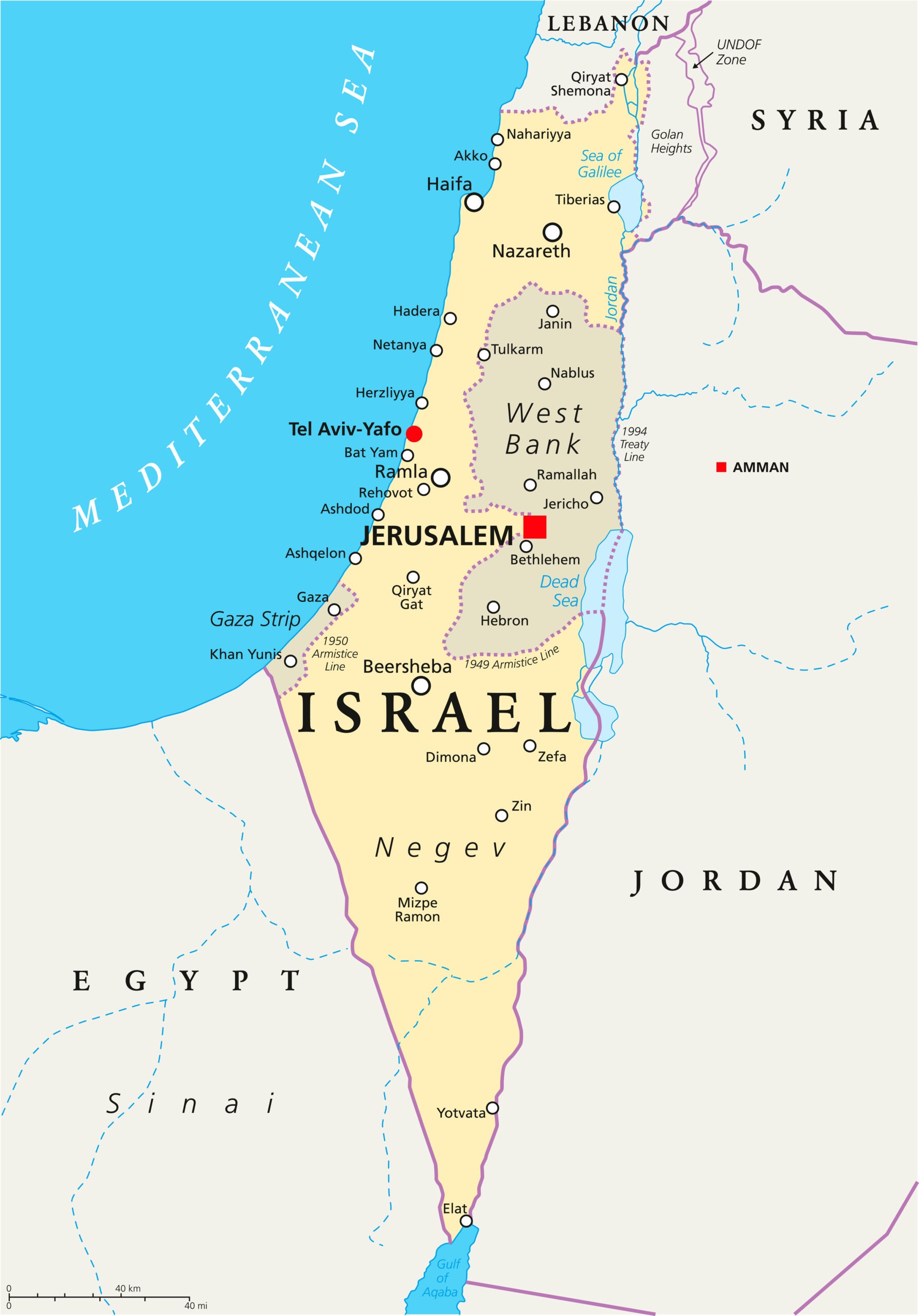
The Hashemite Kingdom of Jordan released a joint statement with Indonesia, Pakistan, Türkiye, Djibouti, Saudi Arabia, Oman, The Gambia, the State of Palestine, Qatar, Kuwait, Libya, Malaysia, Egypt, Nigeria, the League of Arab States and the Organization of Islamic Cooperation condemning the Knesset’s approval “of two draft laws aiming to impose a so called ‘Israeli sovereignty’ over the occupied West Bank, and on Israeli illegal colonial settlements as a blatant violation of international law.”
The statement, posted on Jordan’s Foreign Ministry’s X account, referenced a United Nations Security Council resolution that “condemns all Israeli measures aimed at altering the demographic composition, character, and status of the occupied Palestinian territory since 1967, including East Jerusalem.” It also referenced the International Court of Justice’s advisory opinion issued Oct. 22, affirming the illegality of Israel’s occupation of Palestinian land and the establishment of settlements.
In a separate statement also posted on X, Qatar called on the international community and the UN Security Council “to take urgent action to compel the Israeli occupation authorities to halt their expansionist plans and settlement policies in the occupied Palestinian territories.”
In a press statement posted via Telegram, Hamas said the move “reflects the ugly face of the colonial occupation, which insists on continuing its attempts to ‘legitimize’ settlements and impose Zionist ‘sovereignty’ over the occupied Palestinian territories, in flagrant violation of all relevant international laws and resolutions.” Hamas called the attempts to annex the West Bank “invalid and illegitimate.”
U.S. officials also condemned the bill’s advancement. In a Time magazine interview, President Donald Trump was asked, “You told Netanyahu you will not allow him to annex the West Bank. There are still forces in his coalition who are pressing for it. I’m just wondering what, what are the consequences if they move forward?”
President Trump answered, “It won’t happen because I gave my word to the Arab countries. It will not happen. Israel would lose all of its support from the United States if that happened.”
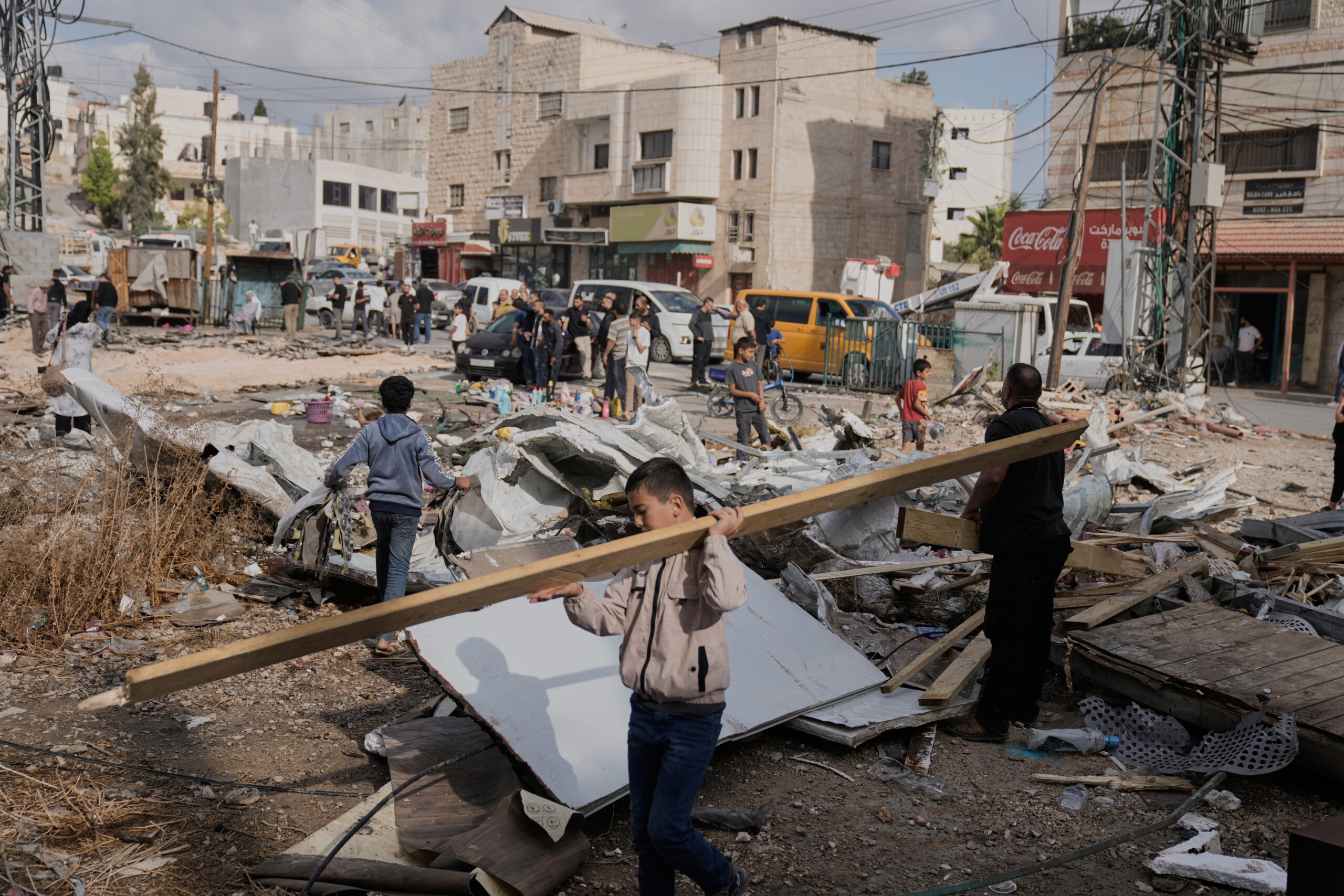
Israeli forces and settlers continue to terrorize Palestinians in the West Bank, as they burn tents, uproot trees and raid villages overnight.
October has also been a dangerous month for olive pickers, as it marks the beginning of the Palestinian olive harvest season.
Since the start of the season, “the Israeli occupation army and settlers have carried out a total of 158 attacks against olive pickers,” according to an Oct. 21 statement by the Colonization and Wall Resistance Commission based in the West Bank’s Ramallah. The commission documented 17 attacks committed by the Israeli army and 141 attacks by settlers. In addition, Israelis targeted dozens of olive-growing lands, cutting, uprooting and bulldozing olive groves. The commission recorded a total of 765 olive trees destroyed.
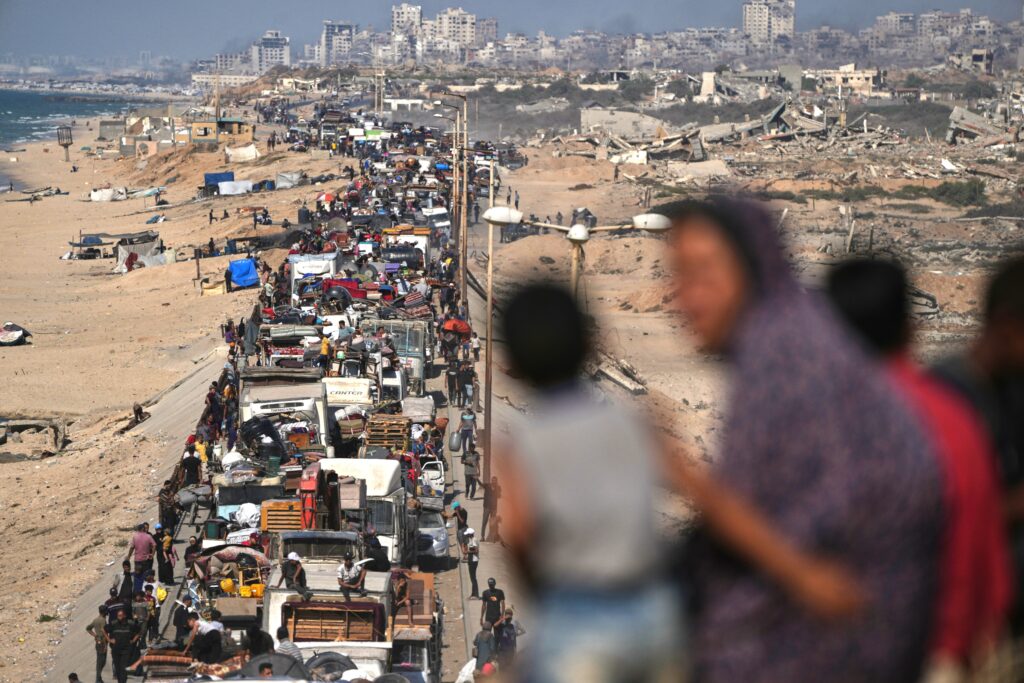
Israeli forces have also blocked Palestinian farmers from harvesting olives in the West Bank and assaulted a Palestinian woman while she was harvesting, according to Al Jazeera.
“As there is hope at long last in Gaza, the West Bank is being intentionally and brutally carved up,” Jan Egeland, Secretary General of the Norwegian Refugee Council, said during his visit to the West Bank, according to a Oct. 22 press release posted on the organization’s website. “The same violence and impunity we saw in Gaza is dispossessing whole communities in the West Bank. Recovery in one part of the territory cannot come at the cost of destruction in another.”
Since January, Israeli forces and settlers have killed at least 199 Palestinians in the West Bank and injured more than 3,200, and military operations and refugee camps have displaced over 30,000 people, according to the statement.
“It was heartbreaking to meet with families driven from their homes by unrelenting settler violence—their lives disrupted and livelihoods lost. Entire communities are being erased,” Egeland said. “Many families I listened to are having their land—land they have lived on for generations—stolen from them. Some communities have lost their water connection as settlers have diverted the supply: how can such actions go on with total impunity?”
