





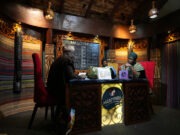




PHILADELPHIA—On a crisp fall afternoon, the Crossroads Women’s Center in Philadelphia became a hub of revolutionary thought and action. Community activist Sister Pam Africa, a MOVE member and chairperson of the Concerned Family and Friends of Mumia Abu-Jamal, hosted a roundtable forum that electrified attendees with its unflinching critique of systemic oppression and media misrepresentation.
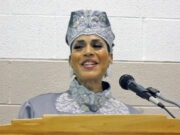
The event, titled “Black Rage Against the Machine,” held Sept. 28, featured a powerhouse lineup of speakers, including Dr. James McIntosh, Charles and Inez Barron, and was hosted by Brother Shomari and Sister Empress Phile Chionesu, the organizer of the 1997 Million Woman March.

The forum was a call to action against systemic racism, with each speaker delivering a searing indictment of the forces that perpetuate inequality and injustice. Dr. James McIntosh, co-founder of the Committee to Eliminate Media Offensive to African People (CEMOTAP), set the tone with a fiery address on the insidious power of media to shape perceptions and reinforce harmful stereotypes.
“Media is a crucial part of the machine we’re raging against,” Dr. McIntosh declared. He detailed how CEMOTAP, founded in 1987, has worked tirelessly to combat offensive portrayals of Black people in mainstream media. Using the Netflix reboot of “Good Times” as an example, Dr. McIntosh outlined seven toxic messages embedded in the show, from the dehumanization of Black people to the trivialization of their struggles. “This propaganda travels globally,” he warned. “It explains how someone can move here from thousands of miles away and already harbor anti-Black sentiments before ever meeting a Black person.”
Dr. McIntosh’s message was clear: the fight against media misrepresentation is not just about entertainment—it’s about survival. He urged attendees to cancel Netflix subscriptions, support Black-owned media, and reject the products and narratives that perpetuate self-hate and systemic oppression.
What wasn’t lost in the discussion during The Final Call’s interview with Dr. McIntosh was how Netflix could air a program like Good Times, yet cancel a documentary about the Honorable Minister Louis Farrakhan called “My Life’s Journey Through Music.”
Charles and Inez Barron followed with a master class in grassroots political power. Drawing from their decades-long fight against gentrification and systemic neglect in East New York, the Barrons’ shared a blueprint for achieving real power—not just influence. “Real power is when you don’t need to march or scream to get things done for your people,” Mr. Barron asserted. “It’s when you hold the seat of power and use it to deliver concrete results.”
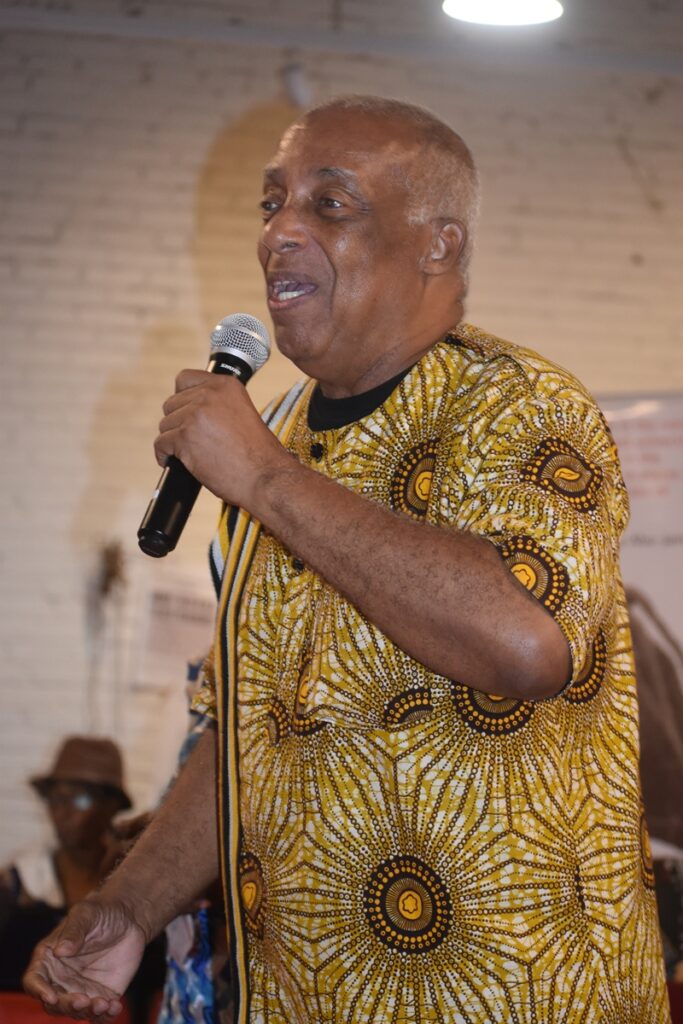
The Barron’s recounted their journey from community organizers to elected officials, detailing how they outworked and outmaneuvered the political establishment. Their victories in East New York stand as a testament to their strategy: the district has maintained its Black and Latino majority, even as neighboring areas like Harlem and Bedford-Stuyvesant have been transformed by gentrification. “We didn’t just stop gentrification,” Mr. Barron said. “We reversed it.”
Their message was one of empowerment and self-determination. “Politics affects you whether you participate or not,” Inez Barron reminded the audience. “The choice is yours: keep marching and begging for crumbs or get the power to serve yourself.”
Pam Africa closed the forum with a deeply personal and impassioned talk. Reflecting on her journey from a young woman steeped in the myths of the “American dream” to a fearless advocate for justice, she spoke of the transformative power of community and collective action. “I was de-brainwashed,” she said, recounting her early encounters with the MOVE Organization and the systemic persecution they faced. “The belief in this system that had been instilled in me since childhood was being washed away.”
Founded in the early 1970s, MOVE was a Philadelphia-based organization rooted in ideals of Black liberation, natural laws and natural living.
Ms. Africa’s fight for Mumia Abu-Jamal, a journalist and former Black Panther who has spent decades in prison under highly contested circumstances, served as a rallying cry for the audience. She detailed the relentless efforts to save his life, from battling Hepatitis C to exposing the injustices of his trial. “His life is not in their hands; it is in our hands,” she declared. “It’s about what we do with the truth.”
The forum was more than a discussion—it was a call to action. From McIntosh’s demand for media accountability to the Barrons’ blueprint for political power and Africa’s unwavering fight for justice, the event left attendees inspired and ready to act.
Reverend Suzanne Harmon-Carn captured the spirit of the day when she told The Final Call that the event was “enlightening” and “electric.”
“It was mind-provoking—just charged with so much positive energy and information. No question about it. Hands down.”
