


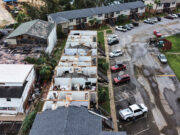








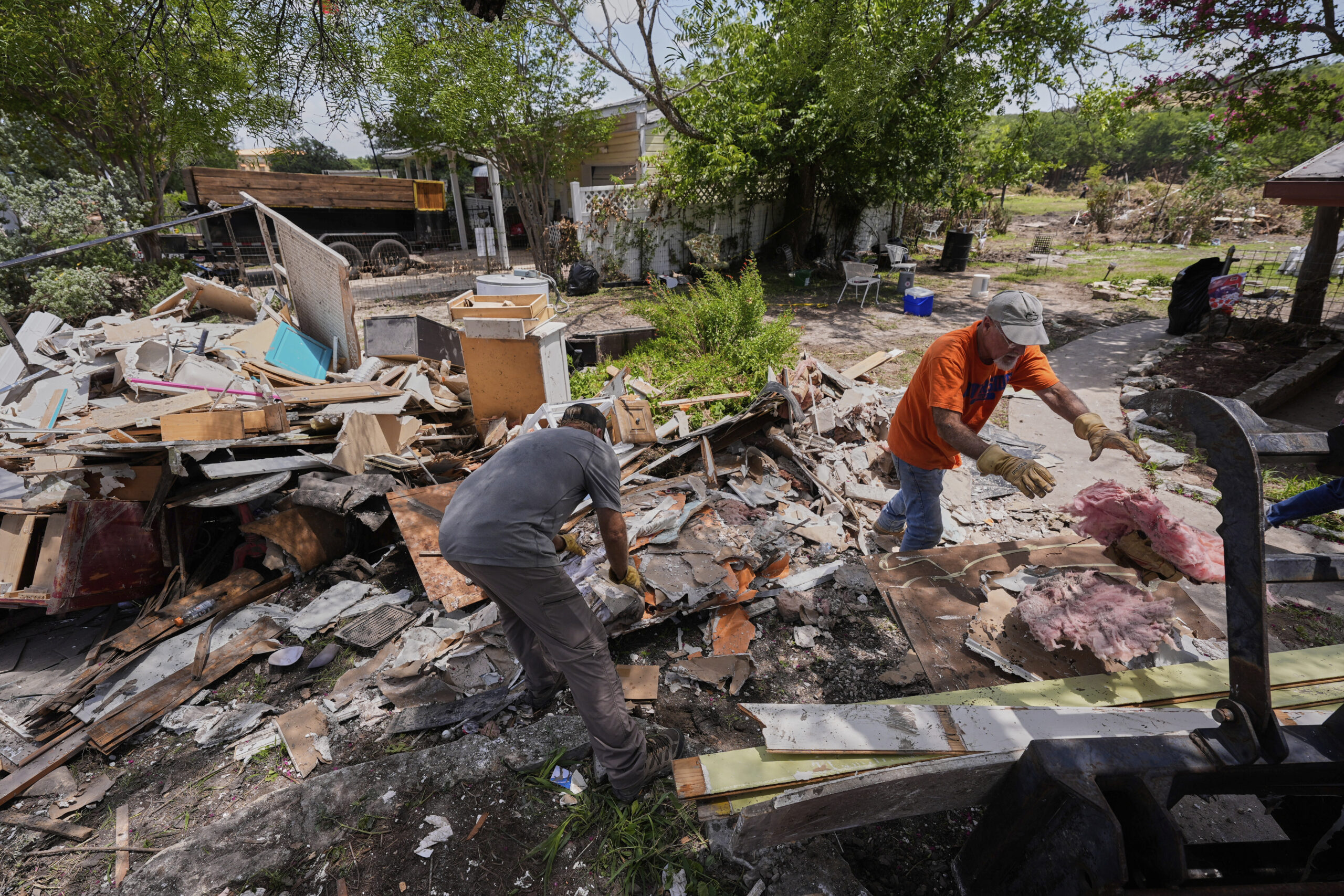

Central Texas is still recovering from the heavy rain followed by flash floods that left at least 120 people dead and many more missing during the July 4 weekend.
The disaster caused an estimate of $18 billion to $22 billion in damages and economic loss, according to experts with AccuWeather. The experts measured damage to homes, businesses, campgrounds, recreation facilities and infrastructure.
They also looked at disruptions to commerce and supply chain logistics, financial losses from extended power outages and road closures, major travel delays, tourism losses and long-term physical and mental health care costs for survivors and impacted families.
“The normally calm Guadalupe River evolved into a raging torrent in a matter of minutes. Rapidly moving water can result in tremendous destruction and risk to safety, as seen in this tragedy.
This is the latest disaster in an area with a long and tragic history of deadly and destructive flash floods,” AccuWeather chief meteorologist Jonathan Porter said.
“The damage, impacts on future tourism, cost of search and recovery efforts, extensive cleanup that will be needed, as well as insurance claims after this catastrophic flash flood, will have long-lasting economic impacts in the Hill Country region of Texas.”

The water of the Guadalupe River was described as a “wall of water,” as it rose about 20-30 feet in less than an hour.
Alex Forbes, a meteorologist with the FOX 5 Storm Team, said on the network that 3 trillion gallons of water fell on Texas, which equates to 1.5 million Olympic-sized swimming pools or 4 months of rain in a matter of hours.
Search and rescue/recovery
Kerr County and its county seat, Kerrville, were among the hardest hit areas. The county death toll reached at least 96, with 161 people still missing by the close of July 9. Statewide, at least 173 people remained missing.
The most-impacted areas were lined with summer camps and families on vacation. At least a dozen camps were damaged, according to CNN. Not all of the camps were in session.
The floods killed at least 36 children in Kerr County, with the bulk being from Camp Mystic, a girl’s summer camp. By the morning of July 9, 27 campers and staff members had been confirmed dead, and the bodies of 6 people had still not been recovered.
Five other counties also experienced deaths: 7 in Travis County, 8 in Kendall County, 5 in Burnet County, 3 in Williamson County and 1 in Tom Green County.
Burnet County officials said rescue workers saved over 60 people in the county, according to The New York Times. Some were stuck in attics and trees; others were on top of their vehicles.
Sister Christina Muhammad, coordinator for the 10,000 Fearless First Responders in Austin, Texas, traveled to Kerrville and other cities to aid survivors. The team focused their efforts on Georgetown in Williamson County and Sandy Creek, a community in Travis County.
“Those two cities, they were hit. They don’t have the numbers like Kerrville does, but there are still numbers. People are still going through things,” she said.
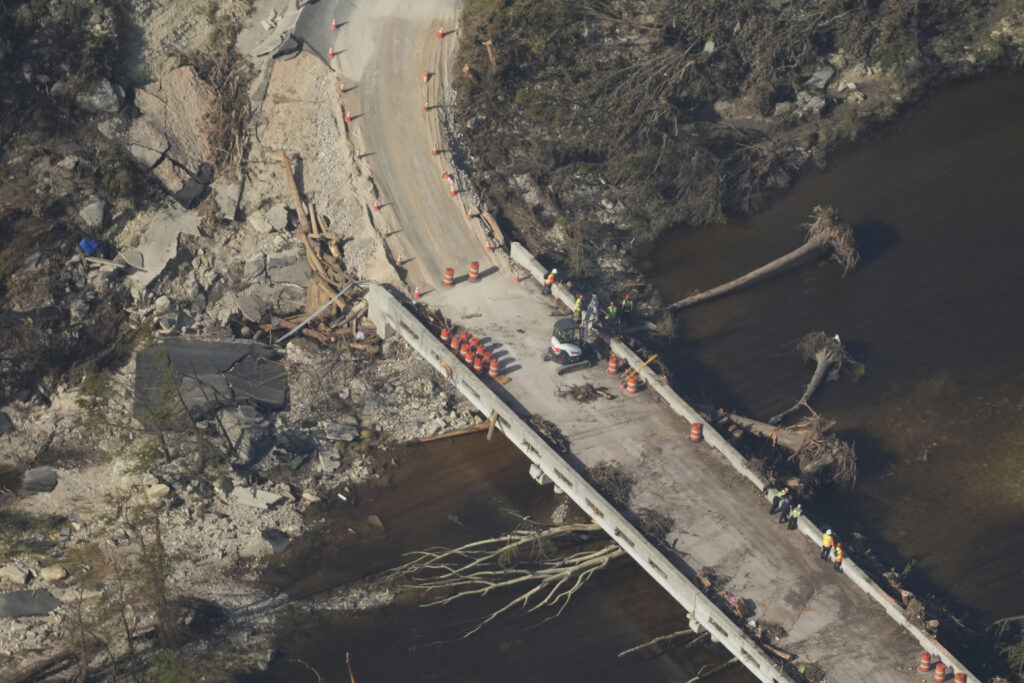
As days passed, hope started to fade for possible survivors. “Search and rescue” slowly transformed to “search and recovery,” she said.
Chances of finding anyone still alive diminished by July 7, just a few days after the floods hit. Kerrville Mayor Joe Herring Jr. warned residents to expect a “rough week.”
“With floods, you don’t typically find a lot of people alive,” Chris Boyer, the executive director of the National Association for Search and Rescue, said, according to The New York Times.
Search and rescue teams traveled from all over the country to assist in Texas. Teams traveled from Missouri, New York, California, Nebraska, Oklahoma, Colorado and Florida. A first responders’ team from Mexico also joined search efforts.
Captain Max McQuarrie of the Virginia Beach Water Rescue Team predicted it would take “days, if not weeks” to thoroughly search for bodies along the Guadalupe River, according to CNN.
Questions on alerts
Flood watches ended in Texas on July 8, though a few flood warnings were still in effect along two Central Texas rivers.
Questions arose about adequate alerts, warnings and sirens. According to the National Weather Service, a flood watch was issued at 1:18 p.m. on July 3. It elevated to urgent flash flood warnings at 1:18 a.m. on July 4, during a time when many people were asleep.
Emergency alerts were sent to cell phones and weather radios. People woke up to flood waters after a flash flood emergency went into effect at 4:03 a.m. on July 4.
Residents of Comfort, Texas, about 43 miles east of Kerr County, also heard wailing sirens that served as an additional warning to flee. Residents of Kerr County did not have any sirens.
“Had we had sirens along this area … it’s possible that that would’ve saved some of the lives,” Texas Lieutenant Governor Dan Patrick said in an interview with Fox News. “We need to have these by next summer.” He said the state would step up to pay for the sirens if the city can’t afford them.
Some accused weather service forecasts of underestimating the rainfall. Others acknowledged that staffing shortages and vacant positions could have played a role in any delays related to alerts and warnings.
On July 9, Texas Governor Greg Abbott announced that flood-related concerns would be included in an agenda for a special State Legislature session on July 21. The 4 out of 18 special agenda items dealing with floods include flood warning systems, flood emergency communications, relief funding for Texas Hill County floods and natural disaster preparation and recovery legislation.
As Texas ramped up recovery efforts, Tropical Depression Chantal caused heavy rain and record-high flooding in North Carolina toward the end of the July 4 weekend, killing at least six people. The North Carolina flood was deemed a “500-1,000-year flood,” meaning a flood of that severity is expected to occur every 500 or 1,000 years.
Two rivers swelled, the Eno River to a record-high of over 25 feet and the Haw River to over 32 feet. Two North Carolina counties—Orange County and Moore County—declared states of emergencies. By July 9, more heavy rain had been forecasted for the state, and flood watches remained in place.
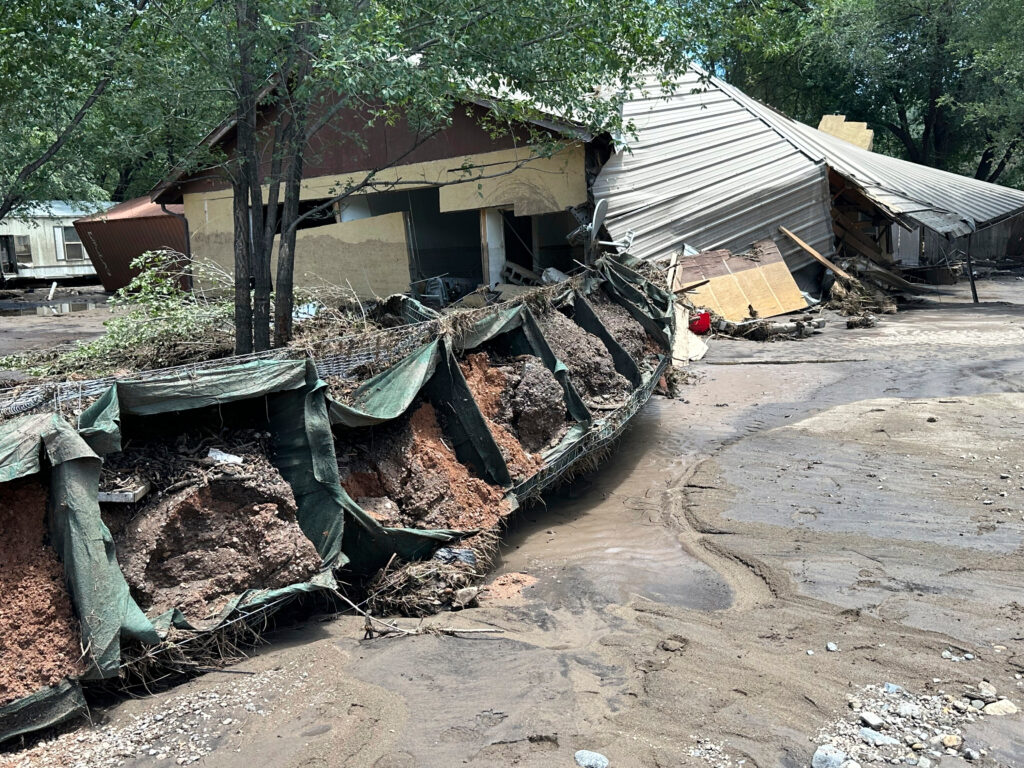
A flash flood in Ruidoso, New Mexico, killed at least 3 people and left behind damaged homes and cars and broken trees. The flood was caused by rain that, again, led to river levels rising.
‘Watch the weather’
Additionally, according to a report by Yahoo News, “On July 10, Interstate 93, a major Massachusetts highway that connects Boston to neighboring suburbs, was closed due to rising waters and ‘special marine warnings’ were issued in several areas of Washington D.C., Virginia and Maryland.”
In the first half of 2025, almost every region of the country had been touched by extreme weather events and disasters, including the Southern winter storm, the Los Angeles County wildfires, severe storms and flooding in April, a tornado outbreak in Central United States and the recent floods in Texas.
These events come after decades of warnings issued by the Most Honorable Elijah Muhammad, Eternal Leader of the Nation of Islam, and His National Representative, the Honorable Minister Louis Farrakhan.
In his book, “The Fall of America,” published in 1973, the Honorable Elijah Muhammad warned America of the four great judgments of Allah (God): rain, hail, snow and earthquakes. This year has been plagued with all four, many of which have been deadly disasters.
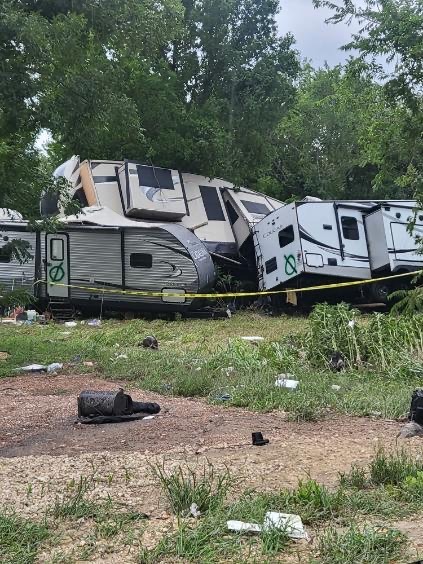
The recent flooding bears witness to the Honorable Elijah Muhammad’s words on the destructive properties of rain. He warned that rain destroys property and lives, swells the rivers and creeks and floods cities and towns. Rain also undermines the foundations of buildings.
“Wind with rain can bring destruction to towns and cities, bringing various germs, causing sickness to the people. It produces unclean water by the swelling of streams and destroying reservoirs of pure drinking water used for the health of the people,” he wrote in Chapter 36 of “The Fall of America,” titled, “Four Great Judgments of America.”
Judgment has come to America because “America has mistreated the Black man for four hundred years and she does not think that there is ever a God Who will accept her Black slave and return on her head the injustice done to her Black slave,” the Honorable Elijah Muhammad wrote in Chapter 34, titled, “The Judgment of America.”
“The Bible prophesies of the plagues that would come upon America—and these plagues are falling on America now, and yet she will not repent,” the Honorable Elijah Muhammad further added in Chapter 34. “For America continues to kill and deprive the Black once-slave of righteousness and justice.
Even though the Black slave wants to go from America, she wants to hold on to him, and America does not want to let her Black once-slave go. America holds the Black once-slave for a prey. Woe to America. Her day has arrived. She would not heed the warning.”
The Honorable Elijah Muhammad concluded the chapter: “Woe to America, the murderer and deceiver of the people. The God of Justice and Truth has pronounced a judgment against thee—and by no means will you escape.
You have made mockery of Him, God, and His people and His word, the truth. You have been judged and found wanting to the so-called American Negroes, the lost and now found members of the aboriginal Black nation of the earth.”
To Black people, he urged, “Come, unite with Allah, and me. Go to your own. You won’t have to go anywhere if you only will unite with your own. Heaven awaits you wherever you may be.”
