








Historically, the U.S. health care system has not worked for all. There are still large segments of the population facing disproportionate health care challenges, underrepresentation in health professions and unequal access to health resources.
Native Americans are among that forgotten population.
According to the U.S. Centers for Disease Control and Prevention’s United States Life Tables report, published in August, from 2019 to 2024, American Indians and Alaska Natives had the lowest life expectancy among the racial and ethnic groups examined. In 2024, they also had the lowest probability of surviving to ages 65 and 85.
Life expectancy is the “average number of years of life remaining to a person at a particular age,” according to the CDC.
Though life expectancy increased by one year from 2023 to 2024 for the American Indian and Alaska Native population, it remained lower than that of other racial and ethnic groups examined. In 2024, Indigenous life expectancy at birth was 71.1 years, compared with 79 years nationally.
The Life Tables report attributes the increase to declines in mortality related to unintentional injuries, heart disease, COVID-19, cancer and suicide. However, during the same period, Native Americans experienced increases in mortality due to chronic lower respiratory diseases, congenital malformations, stroke, homicide and pneumonitis.
A peer-reviewed study published in JAMA Network Open in October examined cancer outcomes among American Indian and Alaska Native populations.
Researchers found that “American Indian and Alaska Native populations with cancer covered by traditional Medicare faced marked health disparities from 2016 to 2023.” The study documented worse health outcomes and difficulty accessing health care services. In 2023, Indigenous cancer patients covered by traditional Medicare experienced nearly twice the all-cause mortality rate of the overall traditional Medicare population with cancer.
Potential contributing factors included transportation difficulties, inadequate broadband infrastructure, socioeconomic conditions and environmental exposures. Researchers called for collaboration with tribal communities to address the disparities found.
Cancer is just one disease illustrating disparities in health care and health care outcomes. In addition, America’s Native population is greatly underrepresented in health professions, particularly those requiring advanced education, according to another October study published in the journal Health Affairs. From 2018 to 2022, Indigenous representation in eight of 12 health professions was less than half their share of the working-age population.
But despite barriers to health and underrepresentation in the health care industry, tribes across the country have rich cultural traditions and practices that support tribal members’ well-being. Another study, also published in October in the journal Prevention Science, examined how Indigenous cultural traditions, connections to ancestral lands, family relationships and friendships relate to the physical and mental health of Indigenous youth. The study included 735 Indigenous adolescents in the U.S. and Canada. It found that young people with strong cultural connections and supportive family relationships generally experienced better overall health outcomes throughout adolescence.
The study’s authors advocated for Indigenous-led cultural revitalization and health programs, early prevention initiatives, tribal self- determination and environmental protections.
Given the potential health benefits of land-based cultural practices documented in the Prevention Science study, land reclamation, which is tied to tribal sovereignty and self-determination, may also have public health implications for tribal members across the country.
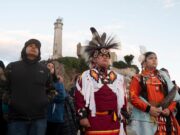
Several tribes have achieved recent victories in reclaiming land that historically belonged to them. Between June and November 2026, at least four tribes announced land reclamation victories involving a combined total of more than 23,000 acres in Virginia, California, Maine and Washington state.
“Tribal and First Nations must continue to exercise their sovereign rights to protect and care for their ceded and unceded territories,” the study concludes.
