






By Ayanna Muhammad
SPRINGFIELD, Mass.—In an era of unpredictable weather patterns and infrastructure vulnerabilities, proactive planning has never been more critical.
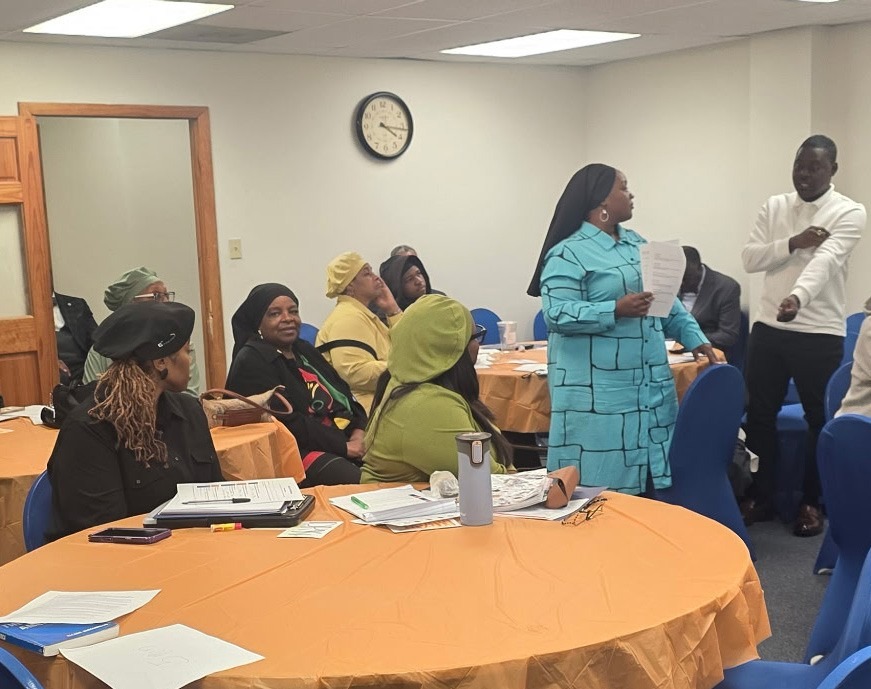
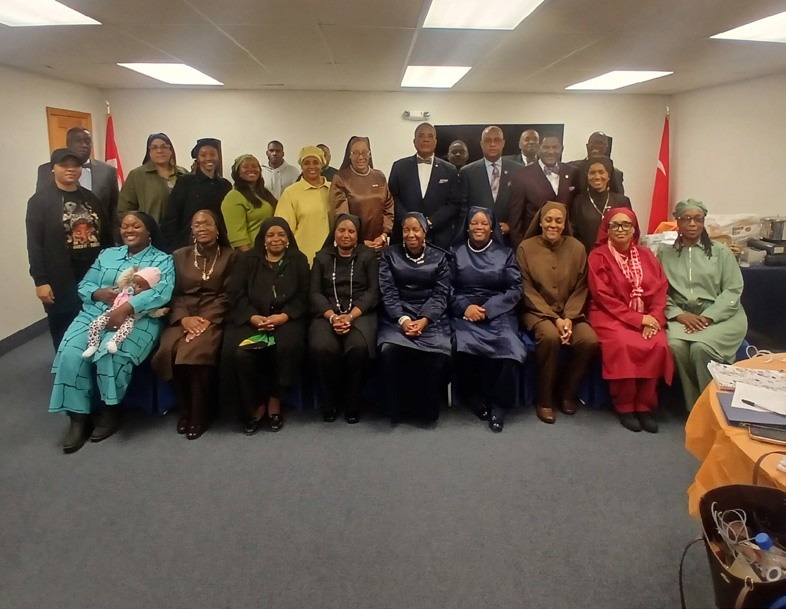
The Nation of Islam Study Group in Springfield, Massachusetts, recently hosted a comprehensive Disaster Preparedness Seminar facilitated by Sister Darlene Muhammad. The goal was to equip believers across the Eastern Region with essential, life-saving strategies to navigate potential crises.
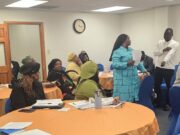
The seminar, held on October 31 and opened with a discussion on why emergency readiness is a foundational duty for families today. The gathering began by clearly defining what constitutes a disaster—from severe weather anomalies to large-scale grid failures. Instructors emphasized that true readiness begins long before an emergency strikes.
Experienced presenters shared valuable insights on various aspects of disaster preparedness, training the in-person participants to share and train others.
A major focus of the training centered on securing clean water, which is the most critical element for survival during an infrastructure collapse. Presenters walked the audience through standard rules for safe water storage, including utilizing food-grade containers and calculating proper ratios per person.
Attendees also learned practical water purification methods, such as specific boiling techniques and emergency filtration strategies, to keep water safe to drink when utility systems fail.
Another segment focused on portable shelters and personal protection. One of the primary presenters reframed how we view everyday wear, stating that “your clothing is your personal portable shelter.”
Instructors detailed how proper layering, durable fabrics, and weather-resistant gear serve as the frontline defense against the elements if individuals are displaced from their homes.
The seminar also emphasized the importance of communication during emergencies. Because cell phone towers sometimes fail during major crises, the seminar highlighted alternative communication strategies.
Experts demonstrated how to establish proper communication protocols using mobile base station radios and walkie-talkies equipped with High Frequency (HF) channels.
To ensure legal and effective use during an emergency, the team highly recommended that community members seek formal training and obtain proper licensing for these radio communication devices.
A core takeaway of the seminar was the danger of isolation. Presenters stressed the critical importance of building networks with like-minded individuals long before a crisis occurs.
The training emphasized establishing an agreed-upon point of connection within families, the broader community, and the mosque. A centralized emergency hub ensures all parties can communicate, account for one another, and coordinate relief efforts when standard cellular networks are completely down.
The local training also included presenters from other states who joined via Zoom. Among them was Sister Alva Muhammad from Gary, Indiana. Sister Alva has a background in disaster and emergency preparedness and has facilitated workshops during the Nation of Islam’s Saviours’ Day conventions as well as in other cities.
She shared her experience surviving the severe storm that impacted her city of Gary, Indiana in August. The storm left many without power for two weeks. Sister Alva’s firsthand account described the stark realities of navigating a crisis—managing through citywide blackouts, grid failures, and fuel shortages where local gas stations were completely drained.
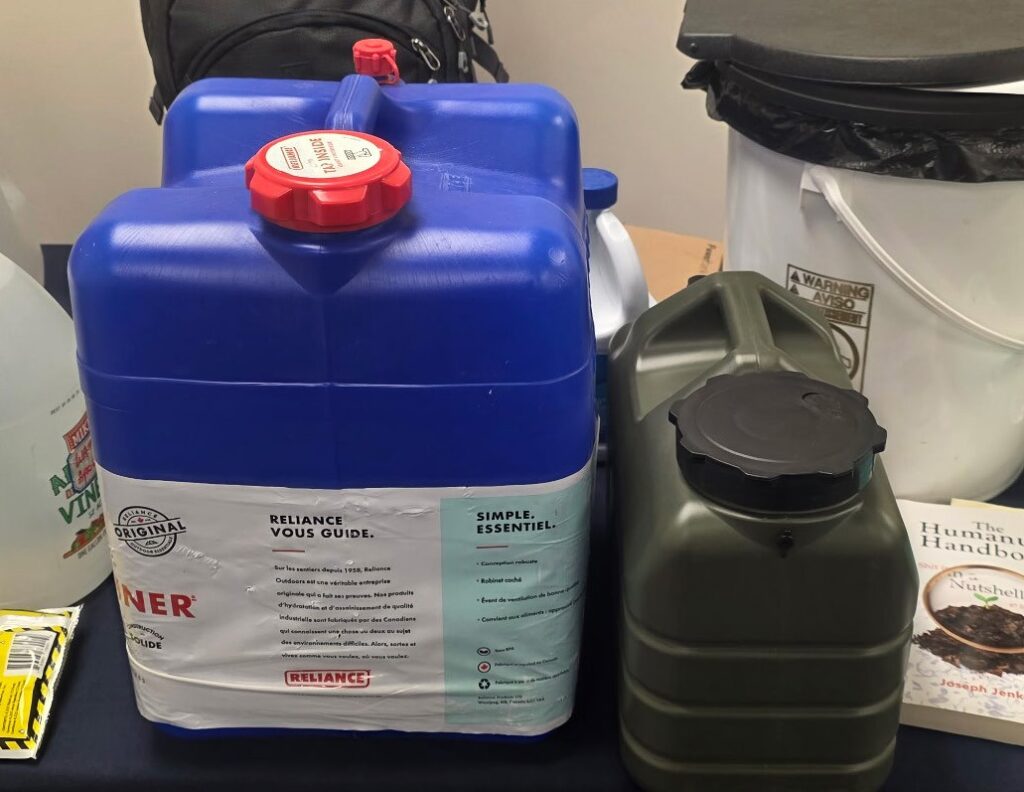
These practical tips offered a sobering yet empowering blueprint for maintaining family logistics under pressure.
The instructions and information that were shared, deeply resonated with those in attendance. “Today’s event was well attended,” shared Sister Michelle. “It lit a fire in me to prepare my household and community more. Also, I was appreciative of all the expertise, recommendations, and advice given.”
Student Eastern Regional Protocol Director Daleel Jabir Muhammad also attended and told attendees that they can find additional information on emergency and disaster preparedness readiness at watch.noi.org or via the free disaster preparedness edition of The Final Call digital download (see the bottom of this page).
Presenters detailed the key organizational components and learning objectives necessary to consider when developing a workshop to share with believers or community.
“It was a wonderful workshop, very informative,” stated Student Minister Johnnie Muhammad. “I am truly grateful to all that attended and presented. We must plan to survive as the Honorable Minister Louis Farrakhan has instructed us all to do.
We must continue to follow the Life-Giving Teachings of the Most Honorable Elijah Muhammad and prepare for what we’ve been warned of by the Messiah.”
Sister Ayanna Muhammad is the Student Protocol Director of the Nation of Islam Study Group in Springfield, Mass.
