









By Nayaba Arinde
NEW YORK—After 54 years of providing the New York Tri-state area with cultural, educational, artistic, and socio-economic presentations from all over the country and the Black diaspora, Brooklyn has resisted efforts of the NYC Parks Department to close the gates on the popular International African Arts Festival (IAFF).
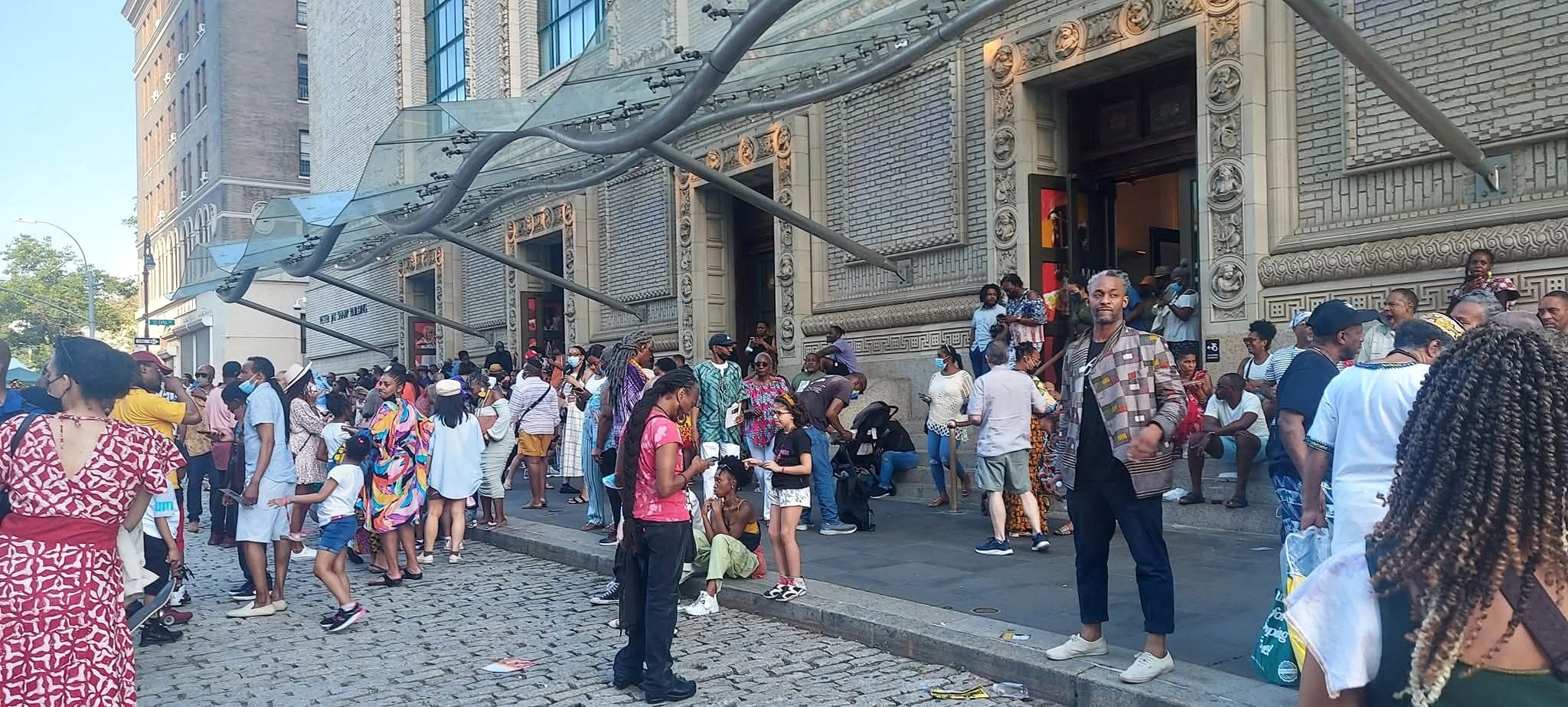
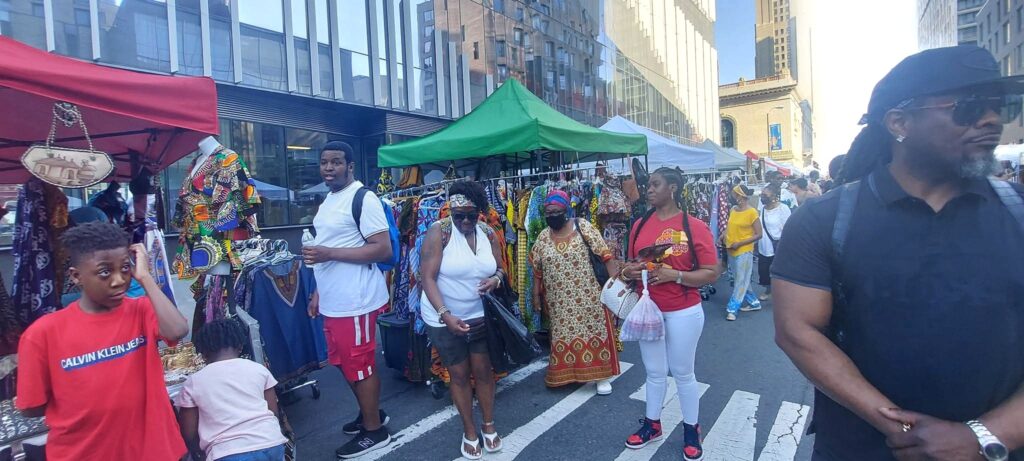
With renewed vigor, New York has got itself another win, as organizers defied all attempts to shut down what became the 55th International African Arts Festival in Brooklyn over the July 4th weekend.
“The International African Arts Festival (IAAF) celebrates ourselves, and our African-descendant culture,” Dr. Segun Shabaka, IAAF co-founder and board director told The Final Call.
“For over 50 years, people have flown into Brooklyn from all around the world, setting their calendars by the oldest multi-day PAN-African celebration in the nation that must be protected and promoted at all costs,” he added.
After over 23 years at the Fort Greene (near Downtown Brooklyn) Commodore Barry Park location, Dr. Shabaka said that last year, “the city commissioner of the parks department said that the park was being renovated. So, we could no longer use the venue. They told us there is no park in Brooklyn that is big enough to hold the festival.”
But Brooklyn has many big parks including Shirley Chisholm State Park, and Linden “Sonny Carson” Park..
Festival organizers, activists, vendors, and patrons anxiously sought a solution. Dr. Shabaka said, “The community was asking to stay in Central Brooklyn. We did not want to be relocated to the outskirts or outside of Brooklyn, where they did not know, or support our festival.”
The activism seemed to encourage a change of heart, and the festival was then relocated to Lincoln Terrace Park in Crown Heights. In the heart of a large Black community notwithstanding, Dr. Shabaka, explained that in terms of how long they will be at this location, “We’ve been told that it’s indefinite.
The question is what kind of support are we going to get, and what are the restrictions that we are under right now in terms of this small area? It’s about one-third of what we had before.
So, I am not even sure that the board wants to stay here because of these challenges, and the revenue that we’re able to generate against the budget that we are confronted with every year.”
“The parks department, and every city, state, and federal agency has to understand that their sole purpose is to serve the people,” area Assembly Representative Stefani Zinerman told The Final Call, adding, “and if there is a collective response from the people that asks for something—their immediate answer should be, ‘How can we work together to make it happen?’ as opposed to saying, ‘No.’”
“We are the third largest city in America, yes, but Brooklyn deserves to have a festival that focuses on our culture. But we know that there are forces who are really trying to erase our culture. To them we are not a priority, and we have to make ourselves a priority. That is why we have these festivals to keep people hopeful that it can happen.”
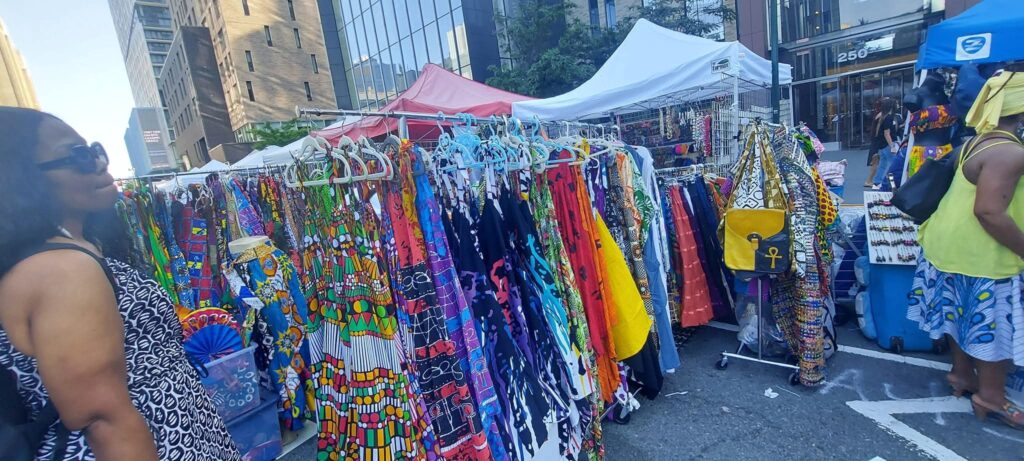
The parks department did not respond to a request for a response by presstime.
Long time supporters may recall how the original African Street Festival was hosted at Bed Stuy’s Claver Place, the street of The East—the renowned Pan-African grassroots organization and Kawaida institution co-founded in 1969 by educator Jitu Weusi.
The next location was at the late Principal Frank Mickens’ Bed Stuy Boys and Girls High School. The laying down of a multimillion-dollar running track on the school field, eventually led to the relocation to Commodore Barry Park.
Tyi McCray, RABA World founder and designer specializing in accentuating footwear and furniture, with rich African handwoven textiles, said, “I’m excited about the festival and I’m actually optimistic that the new location is more convenient for people to get to.
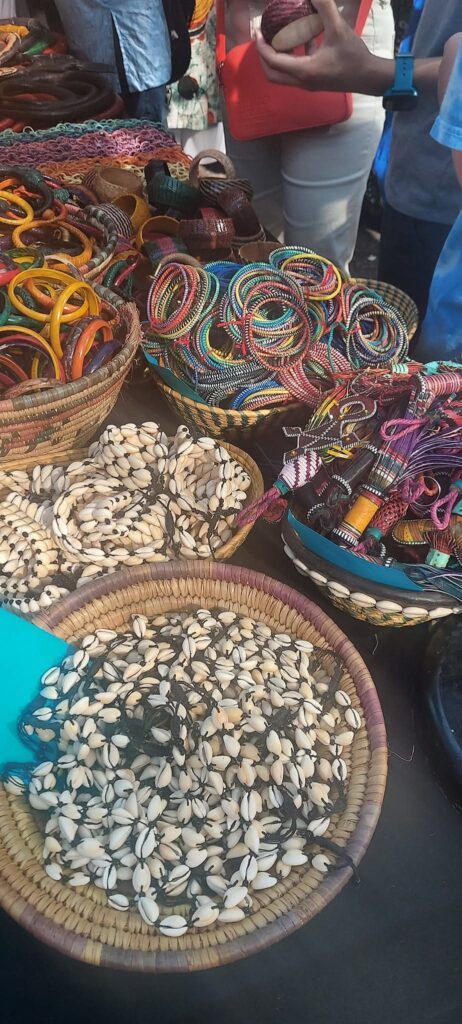
I’m actually optimistic that the smaller size will bring people together. It really showcases the richness of the Black community in Brooklyn. It allows people to connect more directly with the Continent while in Brooklyn. I’ve been going to the festival since I was a child.
It’s a big part of my life, I don’t think I’ve missed a year. This time I am participating for the first time as a vendor. I hope that more young people will make it a part of their own tradition, and that it gets passed on gracefully to the next generation.”
Assemblywoman Zinerman added that as she continues to “do my part by giving them funding every year,” the IAAF need to be afforded the space they require, and authorities need to look into the “tourism, and economic development,” that they bring in.
On another note, “Fifty plus years, and there’s never any violence there. They’ve got the prescription. Those who talk about the police—fund the festival, because the festival is what brings people together in peace and harmony, and community development and building,” she added.
“It is great news. The 55th annual festival. We are bringing it home. The Namabian theme is ‘Hanganeni … Let’s unite,’” said Dr. Shadidi Beatrice Kinsey, vice chair of the New York chapter of NAKO (the National Association of Kawaida Organizations). “It is in the heart of the community. It is ideal.”
Dr. Shabaka said the festival has been a part of Brooklyn cultural landscape since 1971, with “a committed team of board members, part-time seasonal staff and volunteers, working together to transform a city park into an outdoor African cultural oasis that celebrates traditional and contemporary expressions of various African cultures.”
Previous performers have included Fela Anikulapo-Kuti, Lauryn Hill, KRS-1, Yasiin Bey, Norman Connors, Tito Puente Jr., D’Angelo, and The Mighty Sparrow. This year’s three-day weekend event included Bambara African Dance & Drum Ensemble and Entre Almas Rachiim Ausar-Sahu, featuring Joyce Brandon. For more information, visit IAAFESTIVAL.org.
—Nayaba Arinde
Nayaba Arinde is a freelance Editor-at-Large and award-winning reporter and activist. Follow her on Instagram @NayabaArinde1
