




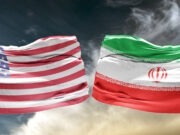
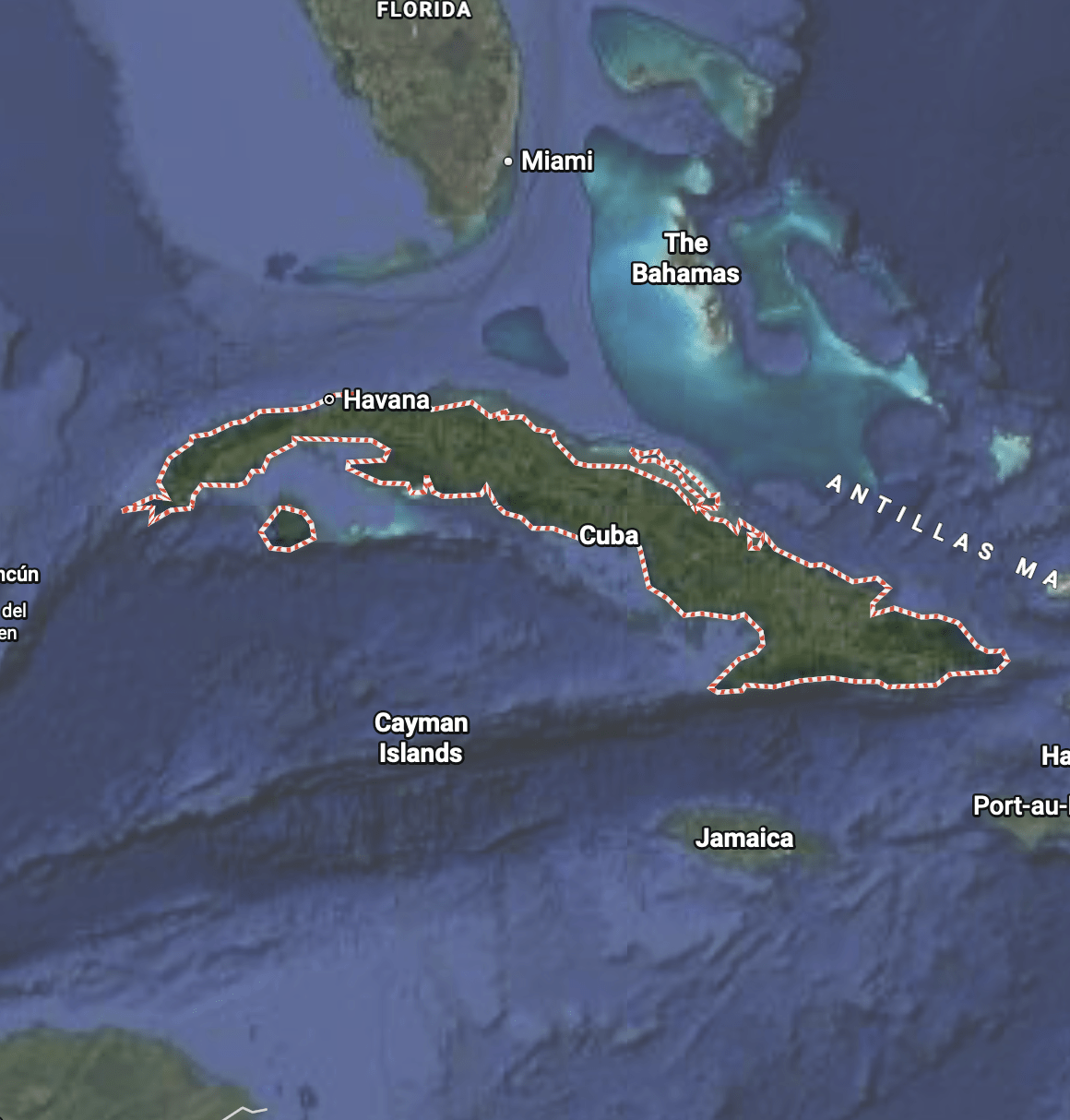

The United Nations General Assembly returned to a familiar question in July: Should the United States continue its decades-long unjust economic embargo against Cuba?
For most countries, the answer is still no.
Cuba requested the special debate held July 7, instead of waiting for the General Assembly’s annual vote later this year. Cuban officials argued that tighter U.S. sanctions have pushed the island deeper into economic crisis and created a humanitarian emergency.
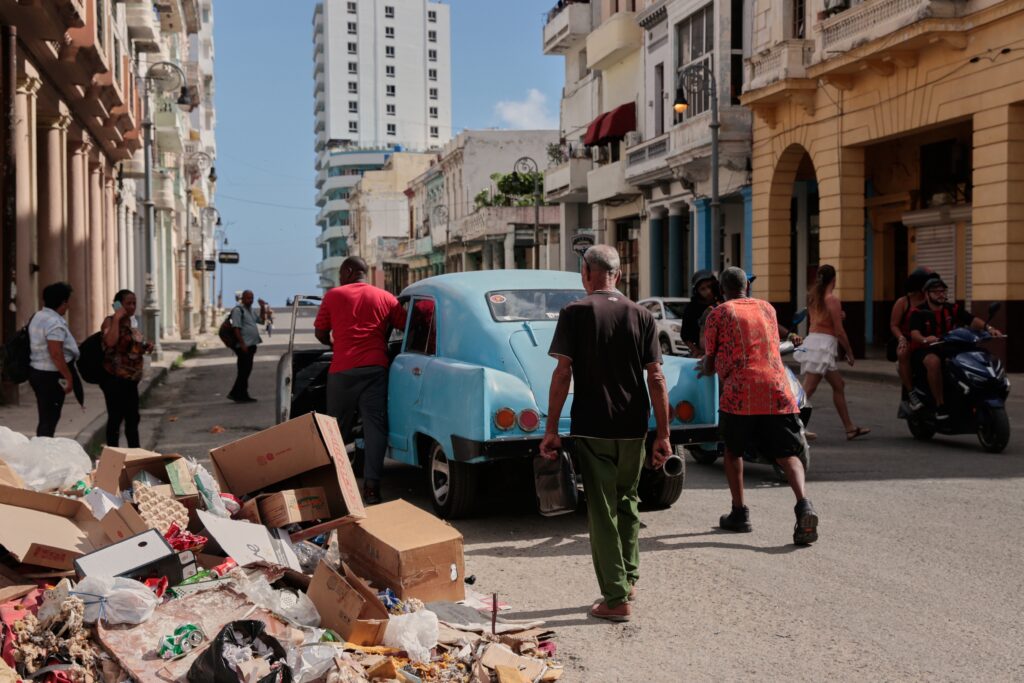
Cuban Foreign Minister Bruno Rodríguez Parrilla painted a grim picture before delegates. Fuel is scarce. Medicines are harder to obtain. Families endure long power outages, food shortages and rising prices. He said the embargo has become “a silent form of suffocation” for ordinary Cubans.
“In the last few months, the humanitarian damage to our population has intensified,” he said. Families are suffering through blackouts, a lack of water, shortage of medication, food scarcity and the soaring price of essential goods.
People with cancer lack access to life-saving medication. And Cuba’s infant mortality rate of 4 per 1,000 live births in 2025 increased to 9.9, deaths that would not have occurred had there been equipment and therapies.”
The United States offered a different view and presented its unsubstantiated yet familiar talking points that Cuba’s economic troubles stem from decisions made by its own government. Critics argue nothing could be further from the truth.
The unjust embargo began in the early years of the Cold War after the Cuban Revolution brought Fidel Castro to power in 1959. Cuba nationalized U.S.-owned property and aligned itself with the Soviet Union. The United States responded with economic restrictions in 1960.
Two years later, President John F. Kennedy expanded them into a near-total embargo. More than 60 years later, much of that policy remains in place because Congress reinforced it through the Helms-Burton Act, making it difficult for any president to dismantle the sanctions without congressional action.
Many countries see the issue differently than Washington.
Since 1992, the General Assembly has voted almost every year to call for an end to the embargo. Those resolutions are not binding, yet they reveal how isolated the United States has become on the issue.
Governments across Africa, Asia, Latin America and the Caribbean argue that broad economic sanctions punish civilians far more than governments. Access to medicine, food, fuel and international banking is often the first casualty.
Ambassador Pierre Ericq Pierre of Haiti, speaking for the Caribbean community, known as CARICOM, urged both countries to normalize relations for the good of the region.
“CARICOM is a long-standing friend of Cuba and the United States and continues to call for the normalization of these two countries in the interest of the entire region,” he declared.
Ambassador Burhan Gafoor of Singapore, speaking for the Association of Southeast Asian Nations, voiced concern about the “deep impact of the present situation on the Cuban people,” including on their access to food, medicine and other essential supplies.
“It is fundamentally the well-being of ordinary Cubans that lies at the heart of our shared concern,” he affirmed.
Echoing that point, Mali’s representative, Issa Konfourou, speaking on behalf of the African Group, declared: “No difference between two States can justify the collective punishment of an entire people—still less any measure that places the lives and well-being of its population in jeopardy.”
Africa remembers
Cuba’s history with Africa helps explain why many African nations continue to stand with Cuba in UN debates. During the liberation struggles of the 1960s through the 1980s, Cuba sent soldiers, doctors, engineers and teachers to several African countries.
Its military role in Angola remains especially significant. Historians have long argued that the Battle of Cuito Cuanavale weakened apartheid South Africa’s military position, helped clear the way for Namibian independence and accelerated the collapse of apartheid itself.
When Nelson Mandela visited Havana after his release from prison, he publicly thanked Cuba for standing with African liberation movements when many Western governments would not. Cuba has continued that commitment through medical missions and educational exchanges across the continent.
The world stands with Cuba
Vladimir Kolokoltsev, Minister for Internal Affairs of the Russian Federation, described the United States blockade of Cuba as “a striking example of illegitimate unilateral measures of intimidation and punishment against Governments deemed undesirable.”
international community had consistently answered that policy with a firm “no,” he said, recalling the Assembly resolutions adopted since 1992 and supported by overwhelming majorities of Member States.
He expressed regret that efforts to convene the meeting had faced strong opposition and alleged that pressure had been exerted on foreign partners to discourage support for Havana’s initiative. The blockade was one of the methods used to establish control over the territory and revive the Monroe Doctrine.
China’s representative placed the issue in the context of sovereign equality and opposition to interference in internal affairs. “Any military adventurism will only push the region towards a precipice of uncertainty,” he warned. “No single country can act as the international police, nor can any country make itself out to be the international judge,” he added.
The General Assembly cannot force the United States to lift the embargo. It can make its position known.
Year after year, an overwhelming majority of the world’s nations have done exactly that. The debate has grown beyond relations between Washington and Havana. It now raises larger questions about sovereignty, economic sanctions and whether ordinary people should bear the cost of political disputes between governments.
