










by Nayaba Arinde
While mainstream America’s 50 state 250th anniversary celebration was in full effect, some Black Americans were asking “250 years of what?”
At an Independence Day celebration, on July 5, 1852, in New York, abolitionist Frederick Douglass delivered his famous keynote address “What to the Slave is the Fourth of July?”
He declared, “This Fourth of July is yours, not mine. You may rejoice, I must mourn.”
There was mass commercial celebration by some folks, others were conflicted, and then there were those who reject the commemoration as an inaccurate telling of the U.S. origin story.
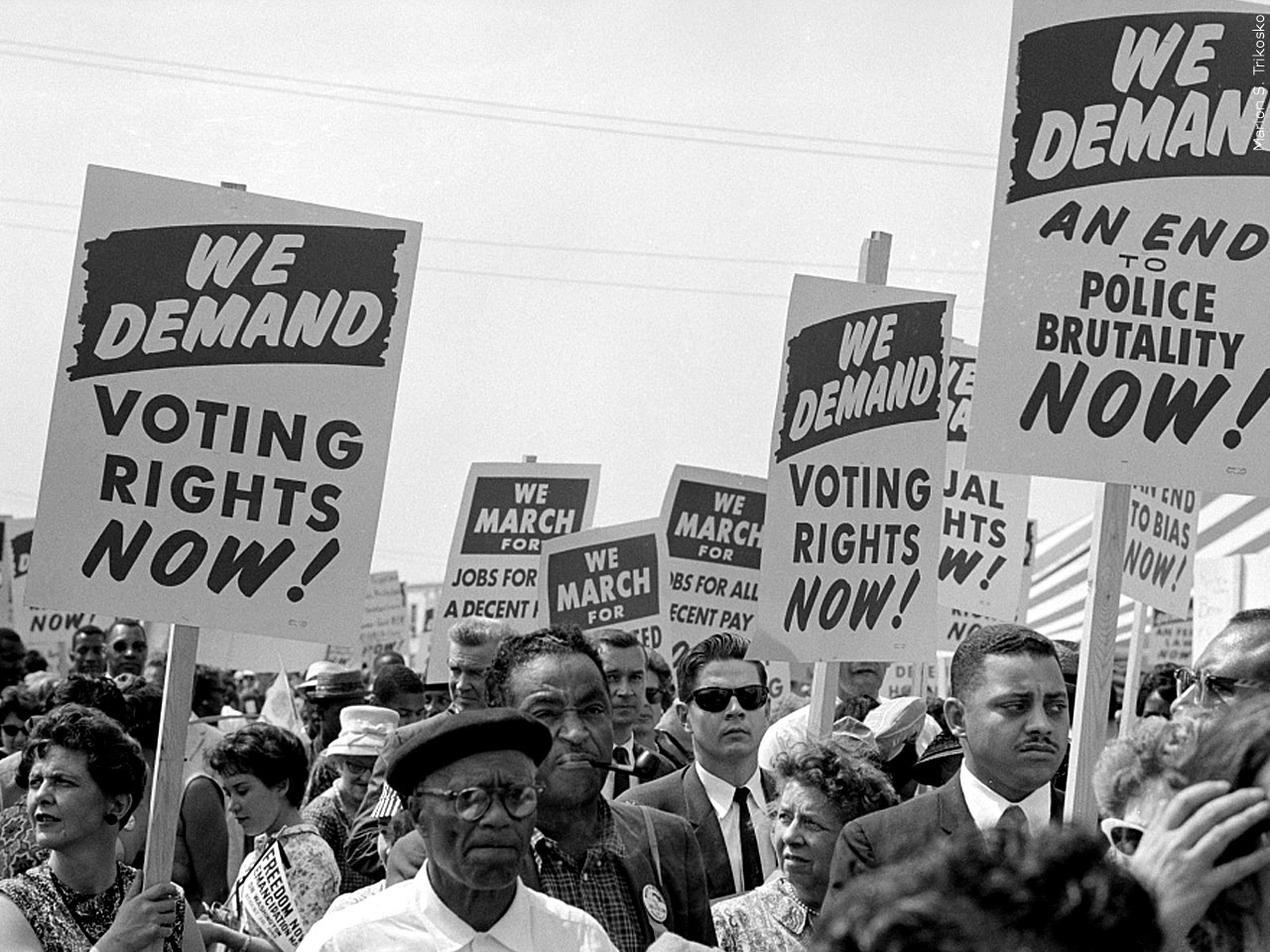
“In 1976 as the USA prepared for bicentennial celebrations of the signing of their Declaration of Independence, members of Brooklyn’s EAST organization employed a different strategy,” Basir Mchawi, radio host of Education at the Crossroads on WBAI, told The Final Call. “Under the leadership of Baba Jitu Weusi, we raised a question, ‘200 years of what?’”
They sponsored a series of historical lectures, and dedicated an issue of their Black News magazine, to the theme. Fifty years later, for many Black people, the question remains the same. The crimes of the United States are far too numerous to mention, extending back beyond the year 1776. Those crimes continue.
The attempts to enhance the mythological beginnings of the nation-state that currently occupies most of North America have accelerated in recent years. A deep fear of confronting reality and being held accountable for unspeakable acts both historical and contemporary motivates the efforts to censor and rewrite.
It is “White fragility” at the base of all of this. To quote Mr. Douglass; “There is not a nation on the earth guilty of practices, more shocking and bloody, than are the people of these United States, at this very hour.”
Again, the question is, “250 years of what?”
As she helped organize the Spirit of Mandela Coalition two day event in Atlanta’s West End, beginning on July 5, activist Dequi kioni-Sadiki explained, “As America hypes up 250 years of independence from British rule, generations of Black, Brown and Indigenous folk continue to live through and with land/deed theft.
The violence of poverty, homelessness, mass/political imprisonment, environmental racism, lack of access to quality health, education and racial police terror, violence and murder. All of this amounts to the ‘slow’ genocide that persistently takes our lives on a daily basis … .
A glaring contradiction is the hypocrisy of America boasting and celebrating independence, while millions continue to endure the legacy of genocide and enslavement that this country is founded on.”
Circa 1990 educator activist Dr. Jack Felder coined the phrase “Happy Fourth of You Lie Day.” His son activist educator Nova Felder explained, “This isn’t a celebration for the Black community. We have endured and thrived at times, in spite of what the good ol’ USA has thrown at us.
We can have whatever level of cognitive dissonance to be able to stomach the medicine aka Americanism throws at us, but nonetheless, it doesn’t change that this is a racist, enslavement of African people.”
Mr. Felder pointed out that Frederick Douglass’ 1852 “What to the Slave Is the Fourth of July?” was penned 13 years before the end of the American Civil War.
“This speech makes it clear that African people in this country then were not participants in American society or civics at that time, and in many ways are still not full participants.”
He added that today, “The executive branch is ignoring legal precedents, laws and established norms for its own agenda that Black folks are not favored by. Today, we look at the reality of Black immigrants being stripped of TPS (Haiti) and Black men still being railroaded by the justice system.
“This time of year, recrystallizes our resolve to continue fighting for self-determination, restorative justice and reparations,” Mr. Felder added.
While America’s 4th of July celebrates the Americans “victory” over the British, meanwhile in July in England, Caribbean people commemorated the injustices suffered by those of the Windrush Generation.
At the behest of the British government in 1948 the HMT Empire Windrush brought hundreds of much needed essential workers from countries such as Jamaica, Trinidad, Grenada, and Barbados, to help rebuild a devastated post-World War II England.
The 1948 British Nationality Act granted the requested migrants the right to stay and work in Britain. This “ad hoc” recruitment drive lasted until 1971. But in April 2018, it was announced that the UK Home Office had kept inadequate Windrush migrant records, and had destroyed landing cards.
National UK activist Lorna Downer of the Windrush Defenders Legal CIC told The Final Call, “The then Prime Minister Theresa May sanctioned the ‘hostile environment,’ which led to those who came from British colonies to save and rebuild Britain to be subjected to deportation, loss of jobs, loss of housing, refusal of healthcare and drivers licenses.”
The outcry was immediate. The subsequent ‘Windrush Scandal’ revealed that many people were illegally deported. A commission was appointed, reviews were conducted, and a compensation fund established.
“Our seniors gathering together is beautiful. However, holding celebrations on Windrush Day (June 22), is a concept that has been hijacked by the government, to shove our people into a false sense that all is celebratory; whilst they seek to hide the serious harm that has been done to Caribbean and African people, who came and rebuilt Britain.”
Ms. Downer said that while the national Windrush Day celebrations “are beginning to drown us out, we are relentless. However, we are also under-resourced, and the Home Office directs the funds we require from them to get our people dancing. We have had to shame them into action because of the Windrush Compensation Scheme not being fit for purpose.”
Paul Obinna, a Manchester, UK-based teacher said that Black Britons have long felt aligned to Black Americans, because of different but relatable struggles.
For him with mixed Igbo-English heritage from his in part, “Black Music was the lifeline in the midst of my cultural isolation.”
He cited as influences, songs like, “Spirit” by Earth, Wind & Fire, “What’s Going On?” by Marvin Gaye and Stevie Wonder’s album, “Songs in the Key of Life” which contained the bi-centennial celebration “Black Man” penned by him and Imhotep Gary Byrd. That song called out the names of Black, Red, Brown, White and Yellow people who had contributed to the formation of the U.S.
Decades later, said Mr. Obinna, “‘Black Man’ is still a key teaching tool, [which could illustrate] the current U.S. administration’s mission to eradicate embarrassing White histories.”
Milton Allimadi, publisher of The Black Star News explained to The Final Call that the most essential problems faced by Blacks in the U.S. and Black people around the world “because of the global power of the United States, can be traced to the White male supremacy that was the foundation of the creation of this country.”
Mr. Allimadi who is also an Adjunct Professor of African History at New York’s John Jay College, continued, “Europeans who occupied this country and wiped out the indigenous populations built tremendous wealth through the labor of enslaved Africans.
Then they quarreled with fellow Europeans back in Europe, the British monarchy, on how to divide the profits from the wealth created by the enslaved-Africans. They fought wars and the Europeans who occupied this country defeated the monarchy. They created the United States.”
Since then, he continued, Blacks “in the United States and globally have been demanding for and fighting for their just share of the tremendous wealth created by their ancestors.”
Nayaba Arinde is a freelance Editor-at-Large and award-winning reporter and activist. Follow her on Instagram @NayabaArinde1
