









This year began with Israel still facing a significant, multifaceted public diplomacy crisis and struggling to overcome international perception amid its continued genocide against the Palestinian people.
This is despite its significant military strength in the region, much of which is supplied by its chief ally, the United States. Key Israeli issues include a lack of a coordinated global communication strategy, increasing isolation in the court of public opinion, and intense pressure over its ever-increasing brutality administered in its horrific handling of Gaza and the West Bank.
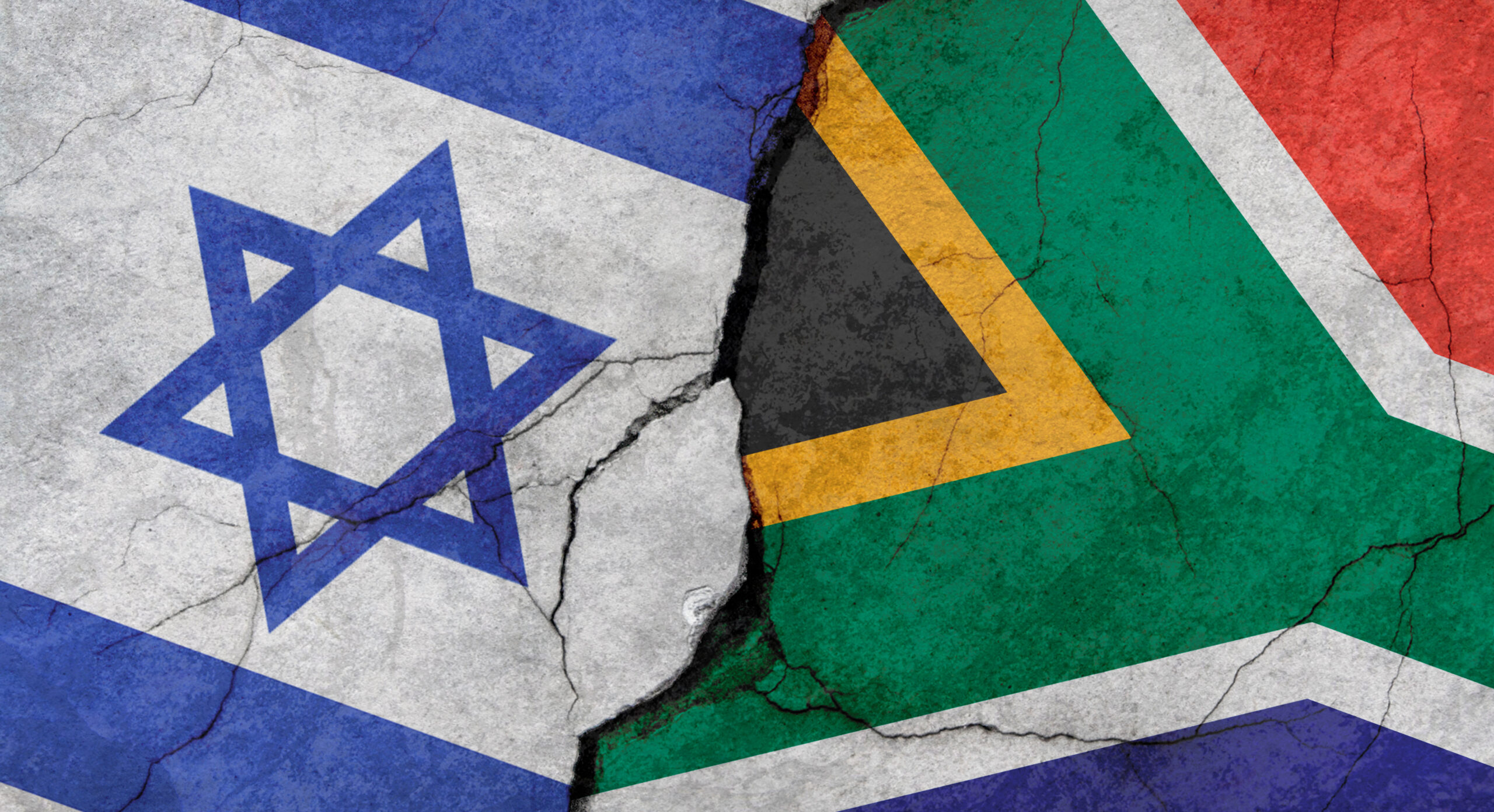
South Africa continues to be at the forefront of nations condemning Israel for its ongoing atrocities. Recently, the African country expelled the top Israeli diplomat.
The Palestinian Information Center news website covered what occurred, stating, “South Africa’s groundbreaking move to declare the Zionist regime’s envoy ‘Persona Non Grata’ and expel him from the country has been welcomed by Palestine’s Resistance and solidarity movements.”
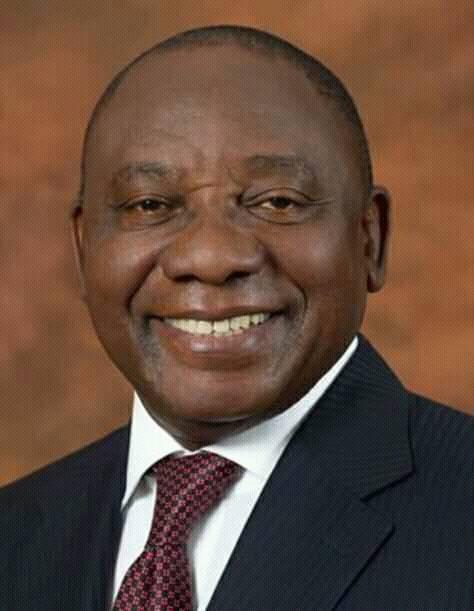
Photo: Facebook.com
“This step is a crucial marker of the Cyril Ramaphosa government’s principled stand to defend and uphold its sovereignty. Despite bullying and intimidation by the United States, it stood firmly to resist Zionist attempts to undermine national governance,” the website reported.
The root of the diplomatic crisis began after a controversial traditional ruler, King Buyelekhaya Dalindyebo, who was promised development projects in his East Cape area by Israel, returned from an “unsanctioned” December 2025 trip there.
Which was funded by the Israeli Foreign Ministry. In a video posted on social media by Israel’s embassy in South Africa, Dalindyebo seemingly absolved and justified Israel of its genocide in Gaza.
He then turned his anger toward the South African government, including President Cyril Ramaphosa, the African National Congress (ANC) and Nelson Mandela’s activist grandson, Nkosi Zwelivelile “Mandla” Mandela. All have publicly condemned Israel’s actions and supported taking the occupying state to the International Court of Justice (ICJ).
In another step, South Africa expelled Ariel Seidman, the Israeli deputy ambassador and chargé d’affaires, on January 30, 2026. According to foreign policy professor Christopher Isike of the University of Pretoria, the move is one of the strongest non-military tools available to a state and signals a firm defense of the country’s sovereignty.
“The SA government accused Seidman of repeated breaches of diplomatic protocol, including public attacks on President Cyril Ramaphosa and unnotified visits by senior Israeli officials.
Israel responded by expelling South Africa’s envoy to Palestine (not Israel), based in Ramallah, Shaun Byneveldt, in a so-called reciprocal move,” noted Independent Online, the South African news and information website.
A recent episode of Newsroom Afrika, titled “Diplomatic ties between South Africa, Israel continue to be strained,” featured Ayesha Kajee, a foreign policy analyst who served as executive director of the Freedom of Expression Institute and as the first director of the International Human Rights Exchange at Wits University in Johannesburg.
In discussing South Africa’s stance on Gaza and the West Bank, Ms. Kajee explained that with the ongoing genocide in Gaza, violence in the West Bank and East Jerusalem by Israel.
And “given that South Africa has taken very strong steps to ensure its own sovereignty, in the international relations arena, we will not submit to a type of neocolonialism either from Israel or the United States, when it comes to internal matters.”
Concerning Israel’s increasing isolation in the court of public opinion, she explained, “Israel is frantically scrambling to win both the media war and the social media war by acquiring ownership of media and social media platforms, in an attempt to redirect public opinion.”
She argued that this is especially true where global youth opinion is concerned, but she stressed that these efforts by Israel have failed. As a result, Israel is resorting to all available types of “measures,” she said.
Defining the significant attention South Africa has garnered since the country took Israel to the International Court of Justice, Ms. Kajee explained that South Africa garners much attention from the rest of the world because “it’s punching above its weight.”
She added, “in those international relations circles it is not taken lightly by observers around the world. And that’s not taken lightly by both Israel and the United States.”
She was also questioned by the host about a possible “conflict” with other factions of South Africa’s coalition government regarding Israel.
“Those members of the Government of National Unity (GNU), South Africa’s coalition government, have not, unfortunately, been held to the agreement within the GNU,” she explained. They have “violated the official foreign policy stance of South Africa.
This is an encouraging development that South Africa has protected its sovereignty and basically said to Israel ‘you cannot do this through back door channels.’
You cannot conduct diplomacy without the official Department of International Relations (being) informed and involved. You cannot do this as a member of GNU and if you do this, there will be consequences.”
Follow Jehron Muhammad @africawatchfcn on X
