











This year marks the 47th anniversary of Black August, honoring our incarcerated freedom fighters and revolutionaries
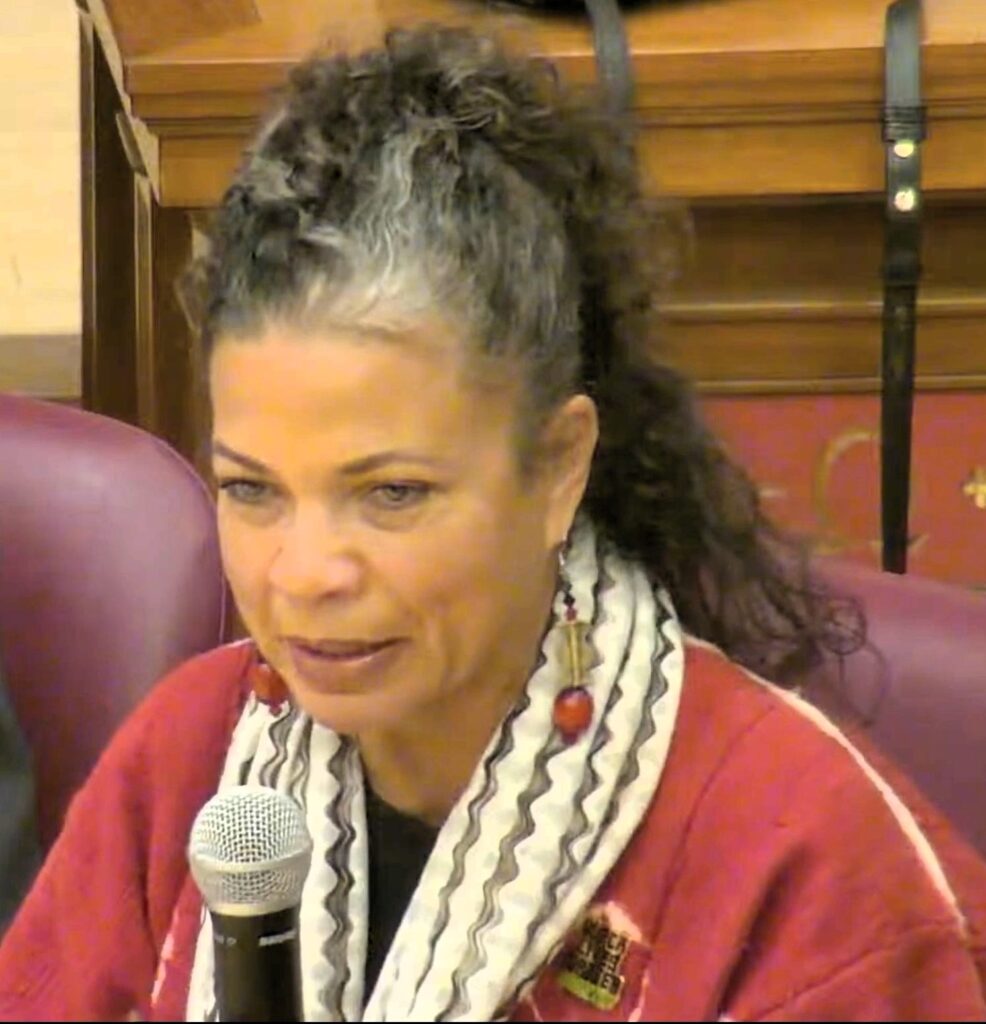
Photo: Nisa Islam Muhammad
Black August does not arrive with fireworks or parades of summer holidays. It arrives with hunger.
Before sunrise on August 1, in kitchens across Los Angeles, Philadelphia, Oakland, and inside prison cells where the practice can cost a person months in solitary confinement, people set aside food, TV screens, and distraction. They reflect. There is no greeting of “Happy Black August.”
“This is a commemoration, not a celebration,” Melina Abdullah reminded listeners on Los Angeles based KBLA Talk Radio 1580 as the month began. “This month, we fast, study, train, and fight.”
Forty‑seven years into a tradition most Blacks have never heard of, Black August remains one of the most disciplined, politically grounded, and deliberately suppressed commemorations in Black history. It is a month rooted in sacrifice, born behind prison walls, carried forward by organizers who refuse to let the memory of fallen freedom fighters be erased.
Born behind jail/prison walls
To understand Black August, one must begin with a blatant injustice.
“Black August began inside the California prison system, in response to the murderous repression faced by Black revolutionary prisoners,” said Attorney James Simmons of Black August Los Angeles on the August 1, radio show.
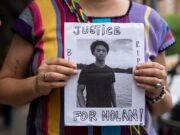
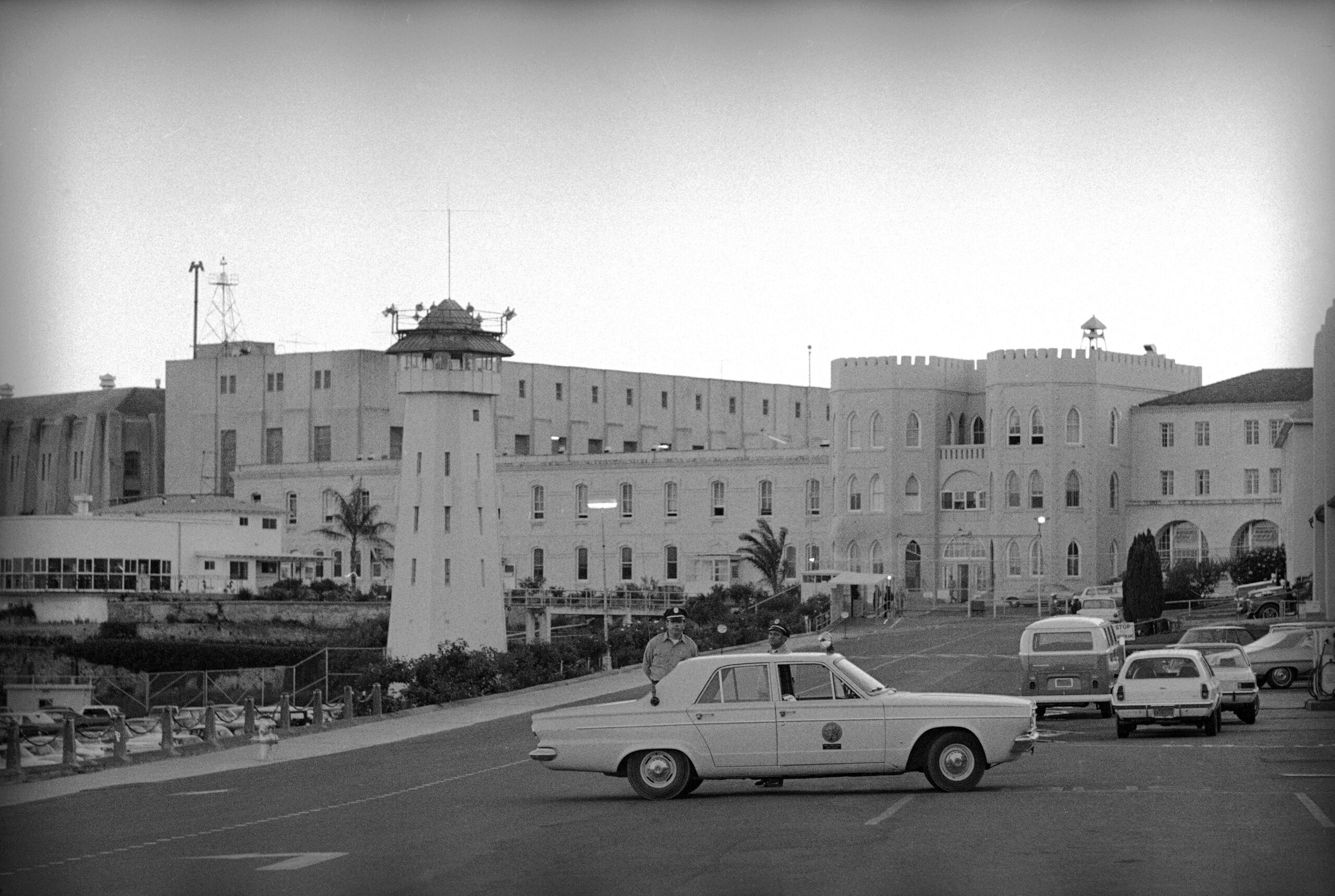
He pointed to three names—W.L. Nolan, Alvin Miller, and Cleveland Edwards—men killed by prison guards on January 13, 1970. After an altercation with White inmates, guards opened fired, but only on the Black prisoners.
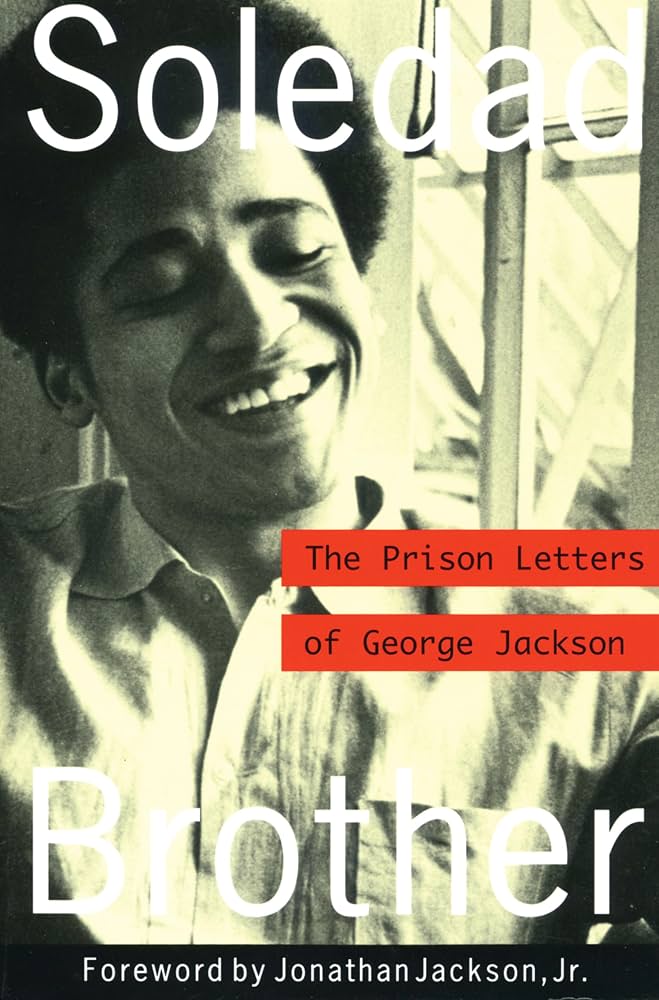
In the aftermath, three incarcerated men—including George Jackson—were charged with retaliating against a guard. Jackson would become one of the most influential revolutionary writers of the 20th century. His books “Soledad Brother” and “Blood in My Eye” challenged the myth of American exceptionalism and urged Black people to organize, study, and resist.
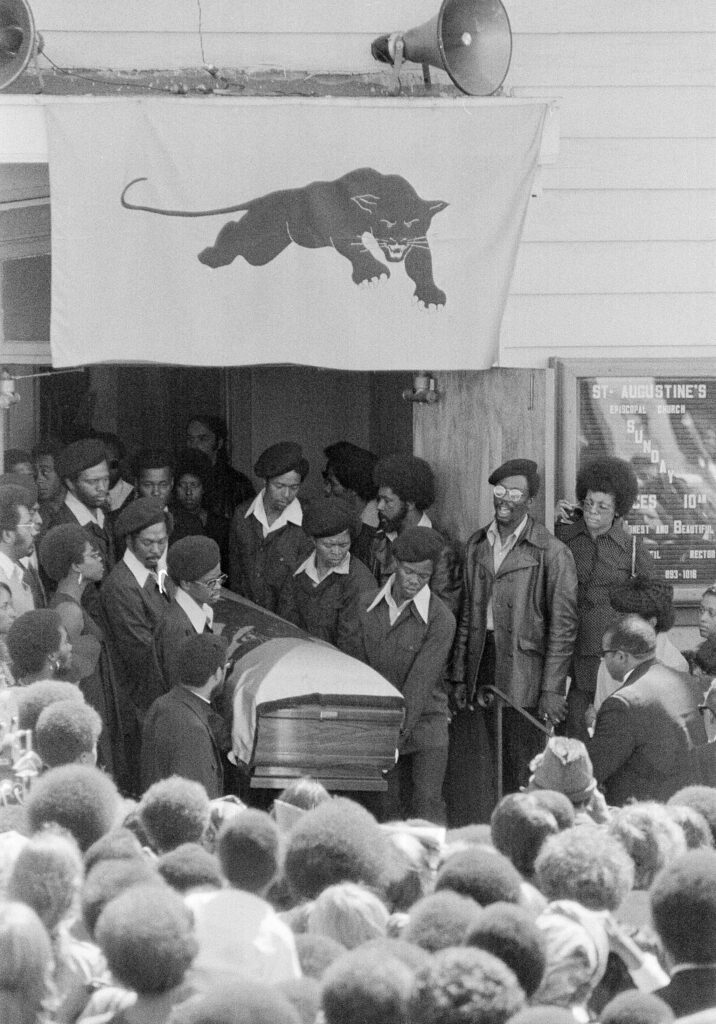
Mr. Jackson never lived to see the movement his writings inspired. On August 21, 1971, he was killed by San Quentin prison guards. The year before, his 17‑year‑old brother Jonathan Jackson was killed during a courthouse action aimed at freeing the Soledad Brothers.
“These assassinations—and the movement that refused to let their deaths go unmarked—gave rise to Black August,” Atty. Simmons said.
But the roots run deeper. Kalanji Changa of Black Power Media on the same show notes that August 1 itself marks the anniversary of the death of Khatari Gaulden, a leader of the Black Prison Movement who died due to deliberate medical neglect at San Quentin.
“We use the word ‘assassination’ deliberately,” Mr. Changa said. “His death was state‑sponsored. Black August was first commemorated one year after his death.”
Inside those cells, resistance was not metaphorical. It was organized, intentional, and dangerous to those who sought to oppress and suppress the actions and activities of brothers behind bars.
“George Jackson ran political education classes inside the library. He trained comrades in martial arts,” Mr. Changa explained. “The prison movement was real, organized, and deliberate.”
Pillars of resistance, discipline
Black August rests on four pillars—disciplines rather than slogans. Dr. Akinyelé Umoja, another panelist who encountered the tradition in Oakland in the late 1970s, breaks them down:
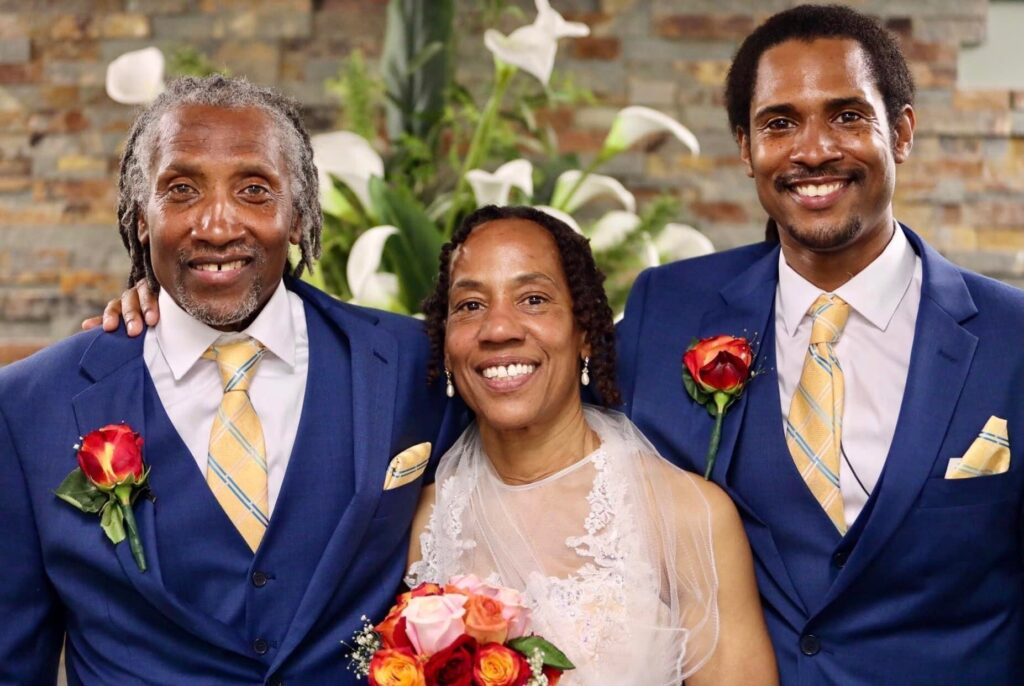
Fast. Inspired by the Islamic Holy Month Ramadan, the founders fasted from sunup to sundown—not just from food, but from harmful influences and distractions. Some refused to speak English during the day, using Kiswahili instead. Today, a social media fast counts.
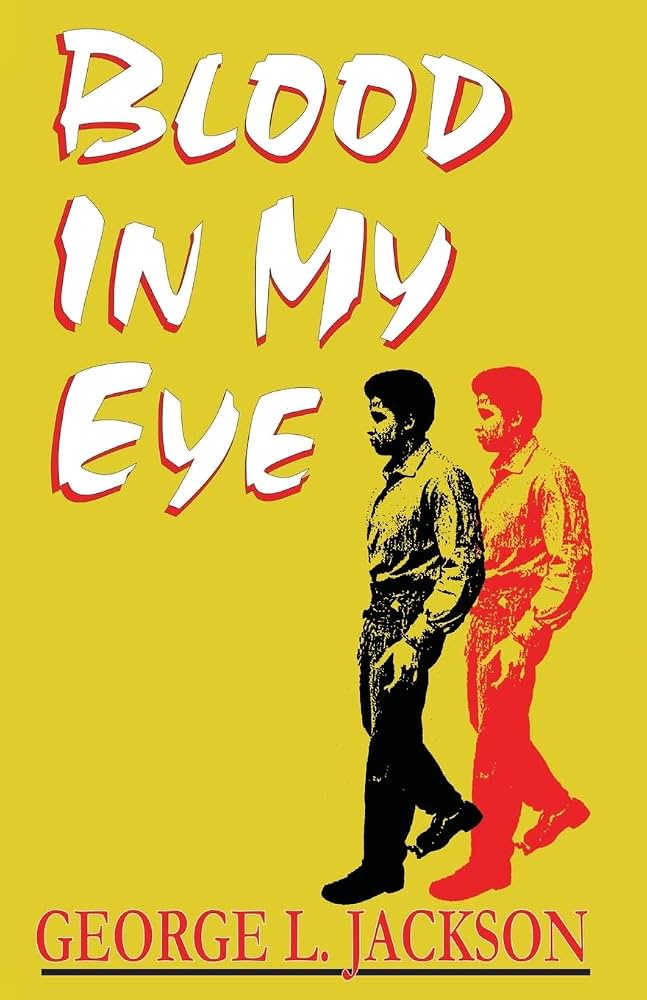
Study. The reading list begins with “Blood in My Eye,” finished by Jackson days before his death. Organizers urge people to buy from Black‑owned bookstores.
Train. Physical conditioning—martial arts, running, strength training. “A strong mind requires a strong body,” Mr. Umoja said.
Fight. Engage in activism. Support incarcerated comrades. Write letters. Back campaigns. Put money on their books.
Within the month sit four “Flea Days”—full 24‑hour fasts honoring the fallen:
August 1 — Khatari Gaulden
August 7 — Jonathan Jackson, William Christmas, James McClain
August 13 — W.L. Nolan, Cleveland Edwards, Alvin Miller
August 21 — George Jackson
“These four days are our holy days,” Mr. Changa said.
A living tradition— and a suppressed one
What began in California spread across the country—Los Angeles, Atlanta, Philadelphia—and even internationally. In Cuba, medical students once held Black August commemorations with comrades of Assata Shakur.
But inside U.S. prisons, the tradition carries a steep price. “Since 2014, up to 300 incarcerated brothers and sisters have been placed in solitary confinement simply for practicing Black August,” Mr. Changa alleges. “The state classifies it as gang activity.”
Ms. Abdullah highlighted one name: Jay Burton, who co‑founded Black Lives Matter chapters inside California prisons. He entered at 16. He is now 53—and currently in solitary confinement. “Not because of what he did when he first entered,” Ms. Abdullah said, “but because of the political organizing work he continues to do.”
Why most people have never heard of it
The obscurity of Black August is not accidental.
“Anything that exposes 400‑plus years of crimes against humanity—particularly against Black people—will never be something those in power want widely known,” said Empress Phile Chionesu, founder of the 1997 Million Woman March, during an interview with The Final Call. She noted that Black media, once a conduit for this history, “has largely lost that capacity.”
Others point to distraction. “People are distracted by propaganda instead of engaging with real issues,” Bigga Dre, a Philadelphia organizer, told The Final Call. “Entertainment makes people feel good. Conviction demands action. People don’t want that responsibility.”
He traced the erasure to one institution: the prison industrial complex. “Powerful interests are capitalizing off incarceration,” he said. “That’s why Black August gets swept under the rug.”
For Mike Africa of the MOVE organization, the relevance of Black August depends on purpose. “If it genuinely helps people and drives meaningful change, it remains essential,” he said during a Final Call interview. Honoring political prisoners, he said, must translate into structural change—starting with the family.
Supreme Dow, curator of the Black Writers Museum, told The Final Call about the importance of intergenerational dialogue where younger generations can pass on information about the significance of Black August. He calls for intergenerational engagement—elders in dialogue with young people.
Ms. Chionesu reminds young people of their legacy: the first Black student union at California State, the sit‑ins, Freedom Rides, Ella Baker, Fannie Lou Hamer, Stokely Carmichael, H. Rap Brown. “Those were students. Young people. That legacy belongs to them,” she said.
The importance of remembering
Black August is not abstract. It shows up in living rooms, libraries, and community centers.
In Los Angeles, Mr. Simmons outlined a month of programming: an opening event at the Radical Hood Library; Pan‑African Women’s Day; a Black Panther Party breakfast; a group reading of “Blood in My Eye” and weekly physical training and study sessions.
In Philadelphia, Bigga Dre is organizing a strategic planning session on environmental justice, targeting the country’s largest incinerator in Chester, where three‑fourths of Philadelphia’s trash is burned. “This is environmental racism,” he said.
Ms. Chionesu’s work includes “Black Poli Sci 101” sessions with Jalil Muntaqim, who spent nearly 50 years incarcerated after joining the Black Panther Party at 16. Her organization is also investigating toxic mold in a women’s prison.
And on August 15, the October Gallery will host a meditation seminar in commemoration of Black August.
Organizers of these various commemorations return to a single idea: a people cut off from their history can be stripped of their future.
“Marcus Garvey said it best,” Bigga Dre noted. “A people without knowledge of their past is like a tree without roots.” Supreme Dow frames the stakes clearly: “It has always been illegal for us to fight for our freedom.
The struggle demands more than performance. It demands study, action, and consistency.” Ms. Abdullah offers the simplest invitation: “None of us were born knowing this. Start where you are,” she said.
“Forty‑seven years on, the men who died inside California’s prisons are still being remembered by people the state tried to silence—and by a movement that refuses to be forgotten,” Ms. Abdullah said.
