







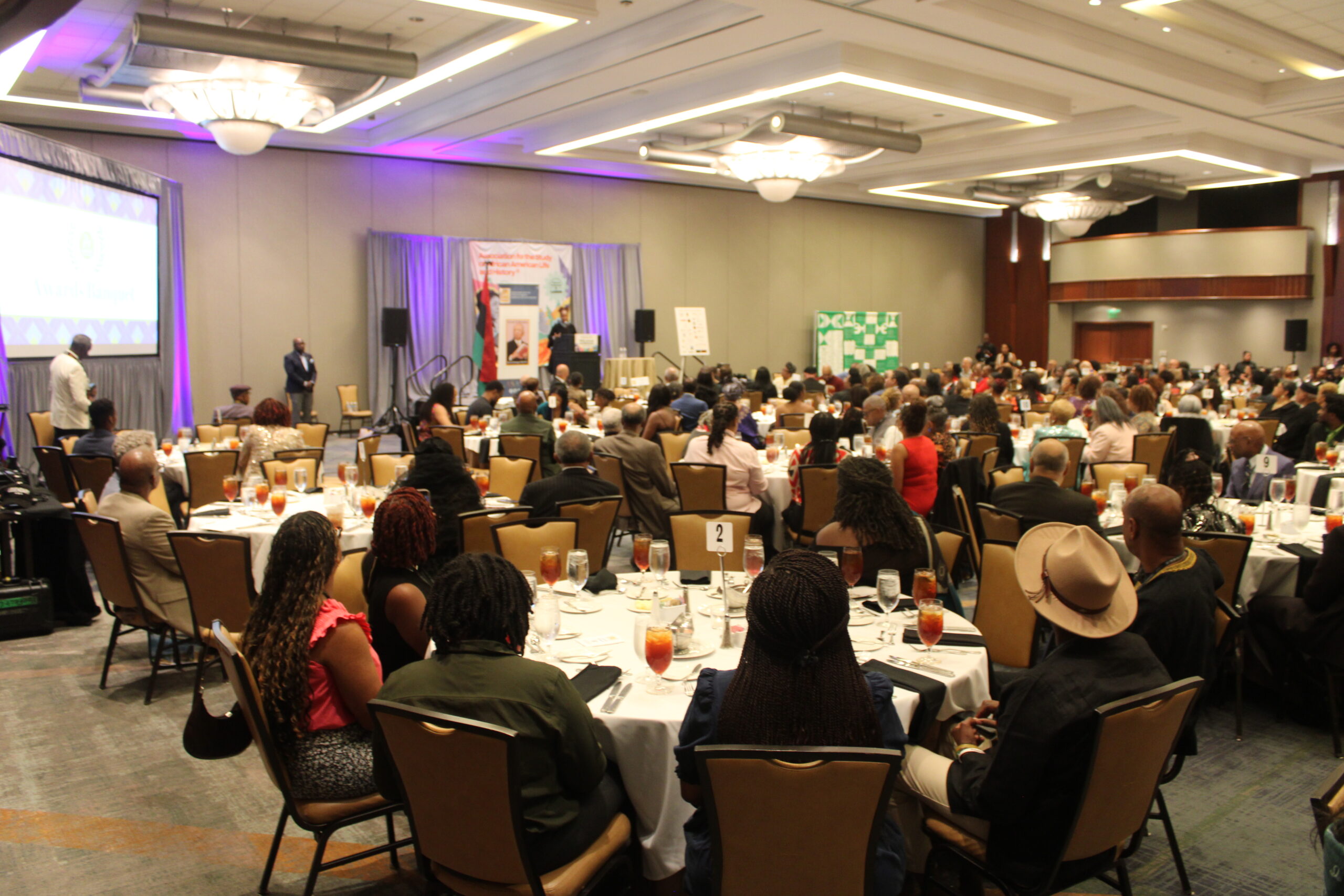

ATLANTA—The Association for the Study of African American Life and History (ASALH) conference aims to promote, research, preserve, share, and disseminate information about Black life, history, and culture nationally and internationally. As the world’s oldest and largest learned society in this field, the conference upholds the legacy of its founder, Carter G. Woodson, known as the “Father of Black History.” The organization is headquartered in Washington, D.C.
From September 24-28, ASALH hosted its 110th Annual Conference at the Omni Atlanta Hotel at Centennial Park, marking a “return home” event. Although an annual conference, Dr. Woodson thought it best to bring the conference back to Atlanta as a “homecoming” every decade or so, where the organization honors its roots.
“Number one, our members love Atlanta,” said ASALH Executive President Sylvia Cyrus.
“Dr. Woodson would make sure that ASALH came to Atlanta every 10 years, because [of] the energy of the importance of our history, and the people who were here … and you know that has just been so important to us. You know, in these trying times, we tend to want to get closer together. This is because we are feeling isolated in our communities. Black history and labor conference brings scholarship, history together Now what we are doing is saying, ‘we need to come together,’” she told The Final Call.
“Black work and workers built Atlanta from the bottom up, resulting in powerful institutions,” said ASALH Academic Committee Chair Dr. Augustus C. Wood. “Gathering this year at the Omni helps us trace the history of transformation and struggle that resulted in modern-day downtown Atlanta. Positioning the Black worker at the center of our history adds a critical layer to scholarly rigor and critique. Black labor in the U.S. is at a critical crossroads today and Atlanta continues to be a decisive battleground,” he said.
Recognized as the “Father of Black History,” Dr. Woodson and ASALH, created Negro History Week in 1926, which grew into Black History Month, and continues today as the leading organization preserving and promoting Black American history and culture, while remaining the intellectual and institutional force behind the organization’s mission for nearly 35 years until his death in 1950.
From Carter G. Woodson’s perspective, the connection between Black Americans and labor is both historical and ideological. Black people are defined by their labor under slavery and segregation, but the path to true freedom comes from reclaiming the dignity of work, mastering both trades and professions and building independent economic power.
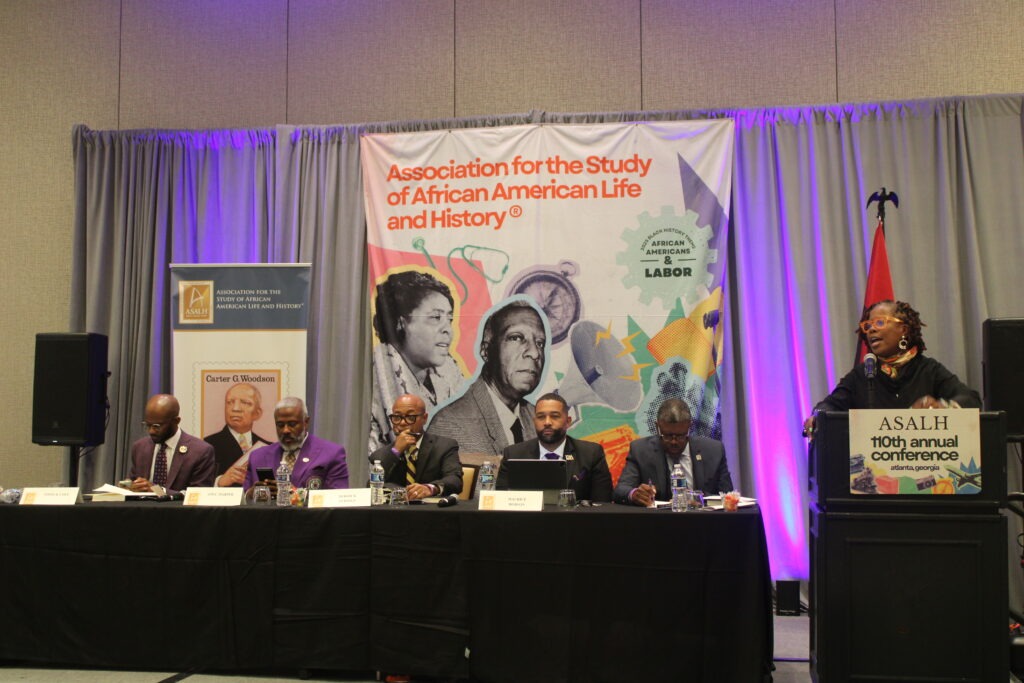
He emphasized that Black people were brought to the U.S. as laborers and that their forced labor built America’s wealth. Black history, he would argue, could not be separated from the story of labor, since their exploitation in slavery and later in sharecropping, domestic service, and menial jobs reflected how America defined Black people primarily through their work.
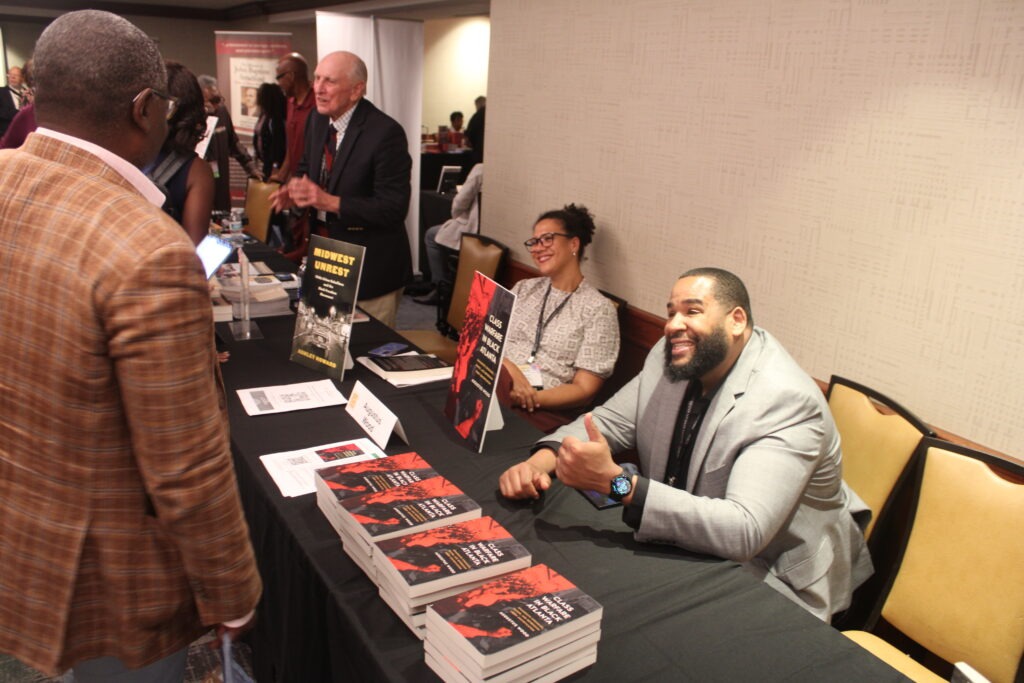
This year’s conference featured a range of programs, scholarly sessions, workshops, historical tours, film festivals, author book signings, exhibitor booths, cultural performances, and networking opportunities.
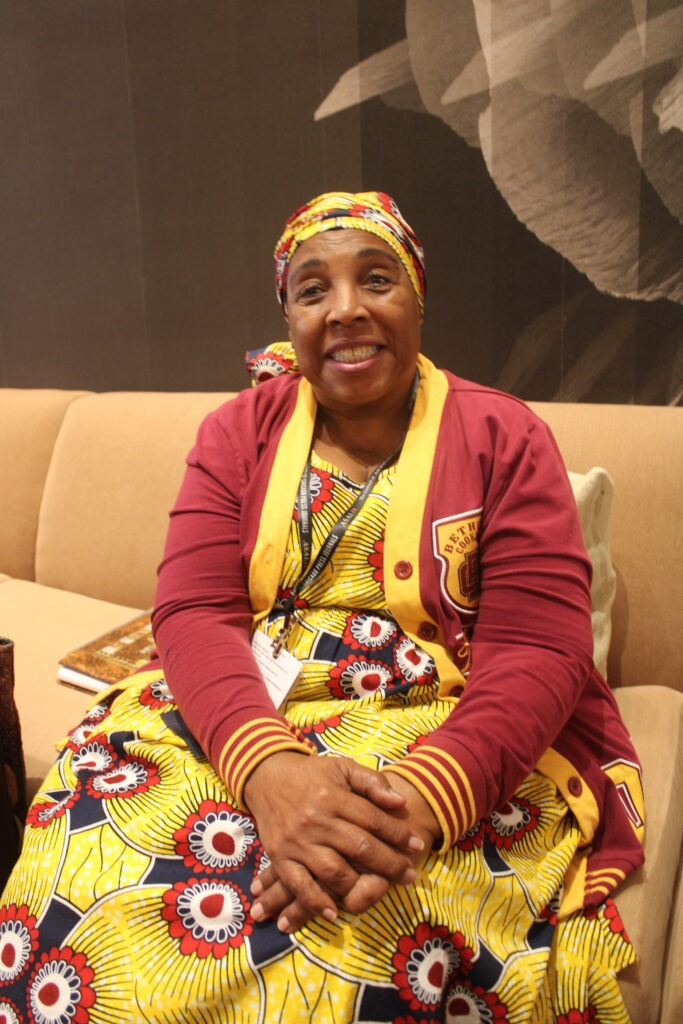
“I love this conference,” Dr. Evelyn Bethune, granddaughter of Dr. Mary McLeod Bethune, founder of Bethune-Cookman College, and first woman president of ASALH, told The Final Call. “I love it because there’s a lot of interaction, a lot of research. But one of the things that must happen, there must be a strategic coming together,” she said.
The conference this year drew scholars, educators, students, and community leaders from across the country to meet, greet, and engage the public. With more than 1,300 paid registrations and 300 scheduled events over the course of five days (many of which were free to the public). It demonstrates the progressive expansion of Dr. Woodson’s vision from over a century ago. Youth from across the country were a primary focus for organizers, ensuring they received daily lessons in and exposure to Black history and culture during the conference.
The volunteers played a pivotal role in the conference’s success. Of the 180 registered volunteers, they faced the challenge of covering more than 600 shifts over the five-day period. The conference included themed luncheons, receptions and banquets honoring distinguished leaders, reaffirming ASALH’s commitment to Dr. Woodson’s vision to make lasting contributions to scholarship, advancing historical awareness and cultural pride, and driving home the importance of understanding responsibility and required action in this current political climate with the passing of various executive orders to the attacks on and threatened removal of Black history from schools and museums.
“I offer my word of welcome as the president emeritus of Morehouse College and as a graduate of Morehouse College way back in the year 1975,” began Dr. Robert M. Franklin in his remarks and prayer offered at the Woodson Luncheon held during the conference. “I want to thank all of the members of the Atlanta University Center who are here, who are part of this organization, part of the bedrock of keeping alive the stories, the truth-telling. You are the stewards of hope. These are challenging times, and these are times where we need the work that you do. Your work is underfunded in most colleges and universities, and yet you are the intellectual and moral aristocrats of the campus. Don’t forget that you are the aristocrats who keep alive knowledge and pure inquiry and service and blended with a commitment to social justice,” he said.
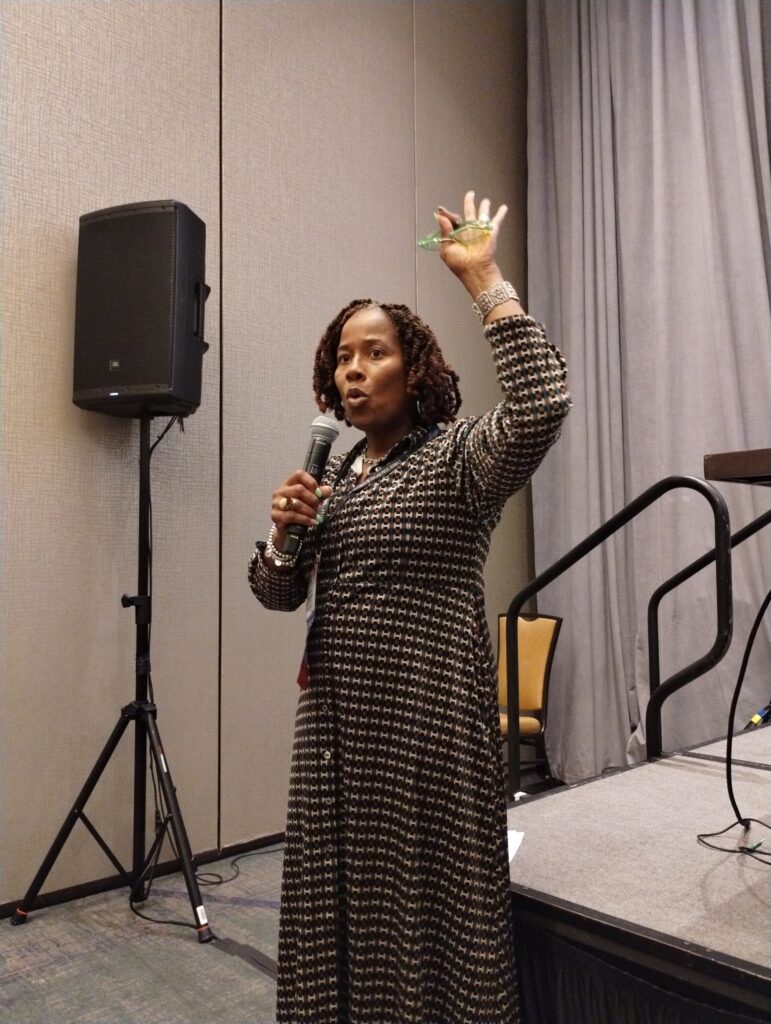
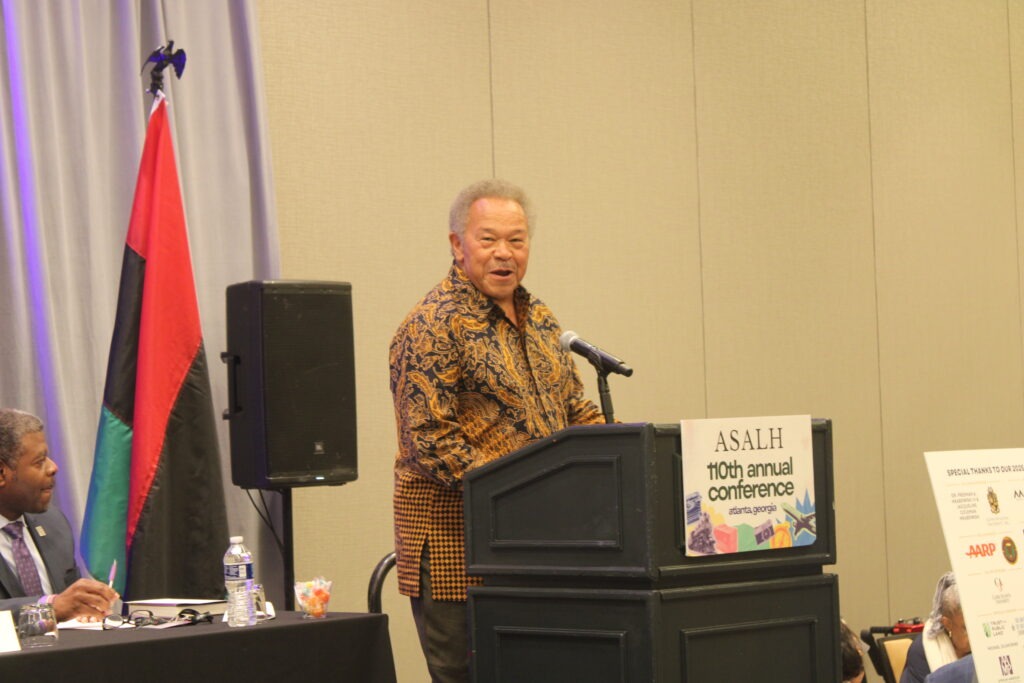
“You are the Renaissance men and Renaissance women with social conscience and global perspective, and our children are looking at you just as we in an earlier day looked at Carter G Woodson, other scholars and torch bearers he acknowledged, who helped to bring us to this point.”
The work and mission of ASALH also provides an opportunity for teachers and students of Black history in areas of research and academia to learn and share their works.
“Take ASALAH as a trade association of people that love African American history,” said Ms. Gaynelle Jackson, ASALH conference meeting planner, to The Final Call.
“There really is this effort to give people who want to present their research the opportunity to qualify their work. Papers are submitted then they are added to the sessions, scholars can then utilize the sessions to add the presentations to their CVs (Curriculum Vitae). A curriculum vitae is a detailed, comprehensive document that serves as an in-depth, chronological overview of a person’s academic and professional accomplishments, skills, and experiences.
“Presenting in a peer review environment says to their college administration, yes; this work is sound, because you’re getting enough places. Scholars coming here and presenting their work [it] can now be a part of their CV,” executive director Cyrus noted.
Dr. Karsonya Wise Whitehead, known by most as “Dr. Kaye,” is the 30th president of ASALH and the eighth woman to hold the position. “I think we have an opportunity to really make it clear to people that when you come after Black history, then we’re going to stand up and say, ‘No!’” she said to The Final Call, referring to the defunding and dismantling of U.S. agencies, such as Parks and Recreation, the removal of Black artifacts from museums, the removal of Black history and the right to educate that history from curriculums.
“This is our moment,” she said. “We are under attack. When we’re under attack, what do we do? We stand up and we fight it. This is what our thing is. When we are under attack, number one, we need all warriors in the battle. We can’t leave anybody behind. And number two, every single voice counts. If we fight all over the place, all the time, all together, all at once, that’s how we win. And then when I get tired, I kind of think of this like a bird. If I’m out in front leading, when I get tired, I fall behind, but there’s another one right there to take my place. That’s how we fight,” she closed.
The next conference will be held Sept. 23-27, 2026, in Norfolk, Virginia.
For more information, visit asalh.org/conference.
