










Israel reportedly unlawfully used white phosphorus munitions over homes in the southern Lebanese town of Yohmor on March 3, according to a report by Human Rights Watch, a nonprofit organization that investigates and reports on abuses happening across the world.
The report, released on March 9, said Human Rights Watch verified and geolocated eight images showing the munitions being deployed over Yohmor’s residential areas and the effects, including fires on residential rooftops, a car on fire and smoke on the balcony of a home.
“The Israeli military’s unlawful use of white phosphorus over residential areas is extremely alarming and will have dire consequences for civilians,” Ramzi Kaiss, Lebanon researcher at Human Rights Watch, said in the report. “The incendiary effects of white phosphorus can cause death or cruel injuries that result in lifelong suffering.”
The report describes white phosphorus as “a chemical substance dispersed in artillery shells, bombs, and rockets that ignites when exposed to oxygen.” The substance “can set homes, agricultural areas, and other civilian objects on fire,” and it is unlawful under international humanitarian law to use it indiscriminately in populated areas.
Used by militaries to illuminate a battlefield, as a smokescreen or as an incendiary, white phosphorus can be difficult to extinguish and sticks to surfaces like skin and clothing, according to a detailed fact sheet on the substance by the World Health Organization. It can harm a person’s eyes and respiratory tract, cause deep and severe burns and penetrate through bone.
Hours before its deployment in Lebanon, Colonel Avichay Adraee, Arabic spokesperson for the Israel Defense Forces, released a statement on Telegram urging the residents of 50 Lebanese villages to evacuate their homes immediately and move at least 1,000 meters outside the villages to open areas. Human Rights Watch said it did not verify whether people were in the area or injured because of white phosphorus use.
Human Rights Watch is urging Israel’s allies, including the United States, the United Kingdom and Germany, to suspend military assistance and arms sales to Israel and impose targeted sanctions on officials credibly implicated in grave crimes.
“Israel should immediately halt this practice, and states providing Israel with weapons, including white phosphorus munitions, should immediately suspend military assistance and arms sales and push Israel to stop firing such munitions in residential areas,” Mr. Kaiss said.
Relations between Israel and Lebanon declined after the start of Israel’s U.S.-backed genocidal war on Gaza on Oct. 7, 2023, when Hezbollah, the Lebanese resistance movement, fired rockets at Israel, in solidarity with Hamas.
The conflict between Israel and Lebanon escalated in September 2024 with Israel launching targeted strikes against Hezbollah’s leadership and communication networks, followed by an air campaign and ground invasion of Lebanon in October 2024.
Israel used white phosphorus in southern Lebanon between October 2023 and May 2024, which contributed to civilian displacement, according to the Human Rights Watch report.
Human Rights Watch (HRW) and Amnesty International have also reported that Israeli forces used airburst white phosphorus munitions during military operations in Gaza in October 2023.
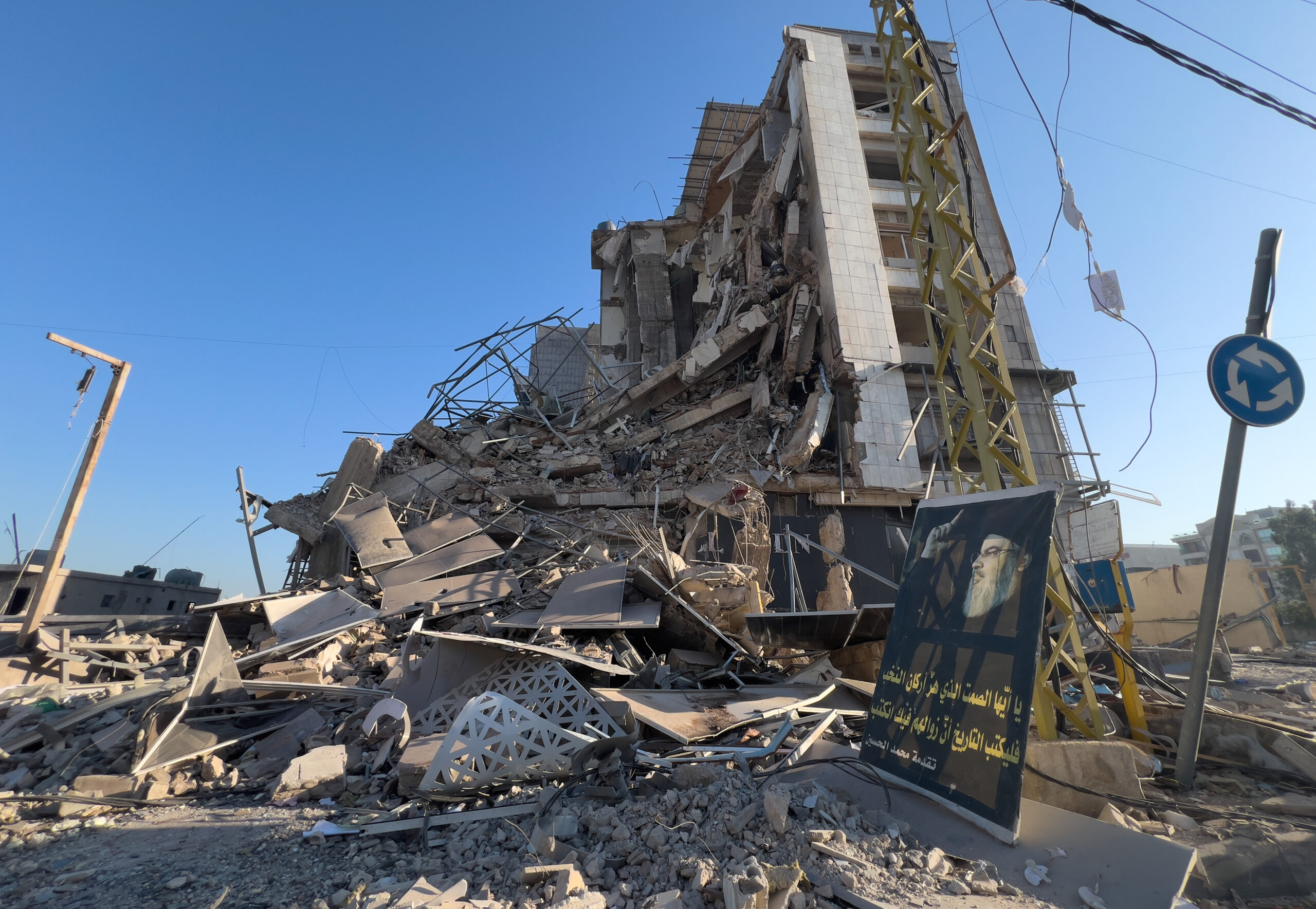
A so-called ceasefire between Israel and Lebanon went into effect in November 2024, though United Nations experts documented continued violations by Israel, including Israel issuing daily strikes in Lebanese territory, resulting in civilian deaths and injuries and destruction and damage of infrastructure, housing, the environment and agricultural zones.
Fighting between Israel and Hezbollah officially resumed on March 2, days after the attack on Iran by Israel and the U.S. From March 2 to March 8, Israeli strikes on Lebanon killed at least 394 people.
Including 83 children and 42 women, and injured 1,000 people, according to numbers Al Jazeera referenced from Lebanon’s health minister, Rakan Nassereddine. In that same time span, more than 500,000 people had been displaced, some due to displacement orders by the Israeli military.
“The sweeping nature of the Israeli military’s displacement orders raises concerns that their primary purpose is not to protect civilians but to instead spread terror and panic, especially in the context of recent large-scale displacement of civilians in Lebanon, raising serious risks of the war crime of forced displacement,” Human Rights Watch said.
The organization called for the prohibition of all use of “airburst artillery-delivered white phosphorus munitions in populated areas” and the need for stronger international law on incendiary weapons.
