











Sudden cardiac arrest is among the leading causes of death in the United States, but according to the American Heart Association (AHA), starting bystander CPR within 10 minutes may save one’s life.
Bystander CPR (cardiopulmonary resuscitation) is defined as CPR performed by a person who is not responding as part of an organized emergency response system to a cardiac arrest. Cardiac arrest occurs when the heart malfunctions and abruptly stops beating. It is often fatal without quick medical attention, such as CPR, to increase blood flow to the heart and brain, according to the AHA. Each year in the U.S., an estimated 350,000 people experience sudden cardiac arrest in the community (not in a hospital).
The AHA reports that roughly 70% of cardiac arrests that do not happen in the hospital occur in homes and private residences; therefore, a friend or family member is most likely to be the person who needs to take action. “CPR, especially if performed immediately, can double or triple a cardiac arrest victim’s chance of survival,” AHA notes on its website.
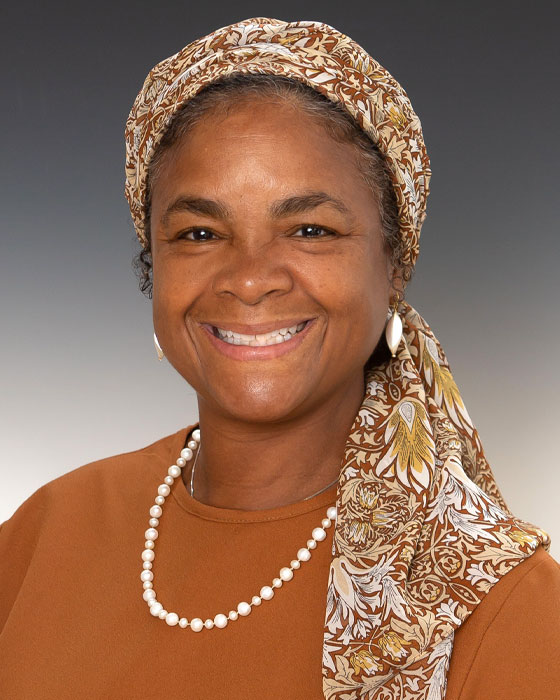
However, the key is not to get to that point, explained Dr. Darnita Muhammad, a family medicine physician. She stressed the importance of addressing first and foremost the risk factors people are suffering from and not attending to when it comes to their health.

“Heart disease is a precursor, because cardiac arrest rarely occurs in a vacuum. It doesn’t happen suddenly, where your heart stops without any reason,” said Dr. Muhammad. She noted there are some uncommon issues emanating from birth, such as congenital heart failure. However, she observed that Black people, as a community, and the public at large, lack access to healthcare.
In addition, many people don’t get regular checkups with a healthcare provider to manage high blood pressure, high cholesterol, diabetes and more illnesses that put them at great risk for heart disease and cardiac arrest. Blood clotting also increases the chance of cardiac arrest, she told The Final Call.
Dr. Muhammad advocates for lifestyle changes to lessen the percentage of cardiac arrests in the home, and recommends using blood pressure cuffs at home, maintaining a healthy diet, reducing stress, getting adequate rest, and exercising regularly, at least walking three to four times a week for 30-45 minutes.
“We, as well as our family members, all of them, should absolutely know how to render CPR and take BLS, which is Basic Life Support Courses (generally care provided by first-responders, healthcare providers and public safety professionals). And, we must understand how to protect and keep our hearts healthy,” concluded Dr. Muhammad.
According to the Sudden Cardiac Arrest Foundation (SCAF), bystander CPR was initiated in 41.7% of the 137,119 out-of-hospital cardiac arrest (OHCA) cases reported in the AHA’s Cardiac Arrest Registry to Enhance Survival (CARES) 2024.
Survival to hospital discharge was higher among patients receiving bystander CPR (13.0%) versus those who did not (7.6%). Laypeople were less likely to initiate CPR in low-income Black and predominantly Latino neighborhoods, SCAF reported.
More than 357,000 out-of-hospital cardiac arrests happen each year in the U.S., with a 9.3% survival rate. Starting the emergency treatment on someone having a cardiac arrest at home or in public may greatly improve their chance for survival and protect brain function, according to research presented during the AMA’s 2024 Resuscitation Science Symposium.
It’s analysis of nearly 200,000 out-of-hospital cardiac arrest cases in the U.S. from 2013 to 2022 found that people who received CPR within two minutes of out-of-hospital cardiac arrest had 81% higher odds of survival to release from the hospital and 95% higher odds of favorable neurological survival or survival with mild to moderate neurologic disability, compared to people who did not receive bystander CPR.
For those who did not receive bystander CPR, about 12% survived to be released from the hospital, and more than 9% survived without significant brain damage, highlighting that intervention may provide a better chance of surviving.
“Our findings reinforce that every second counts when starting bystander CPR and even a few minutes’ delay can make a big difference,” said Evan O’Keefe, M.D., the study’s first author and a cardiovascular fellow at Saint Luke’s Mid America Heart Institute and the University of Missouri-Kansas City.
“If you see someone in need of CPR, don’t dwell on how long they’ve been down, your quick actions could save their life.”
