











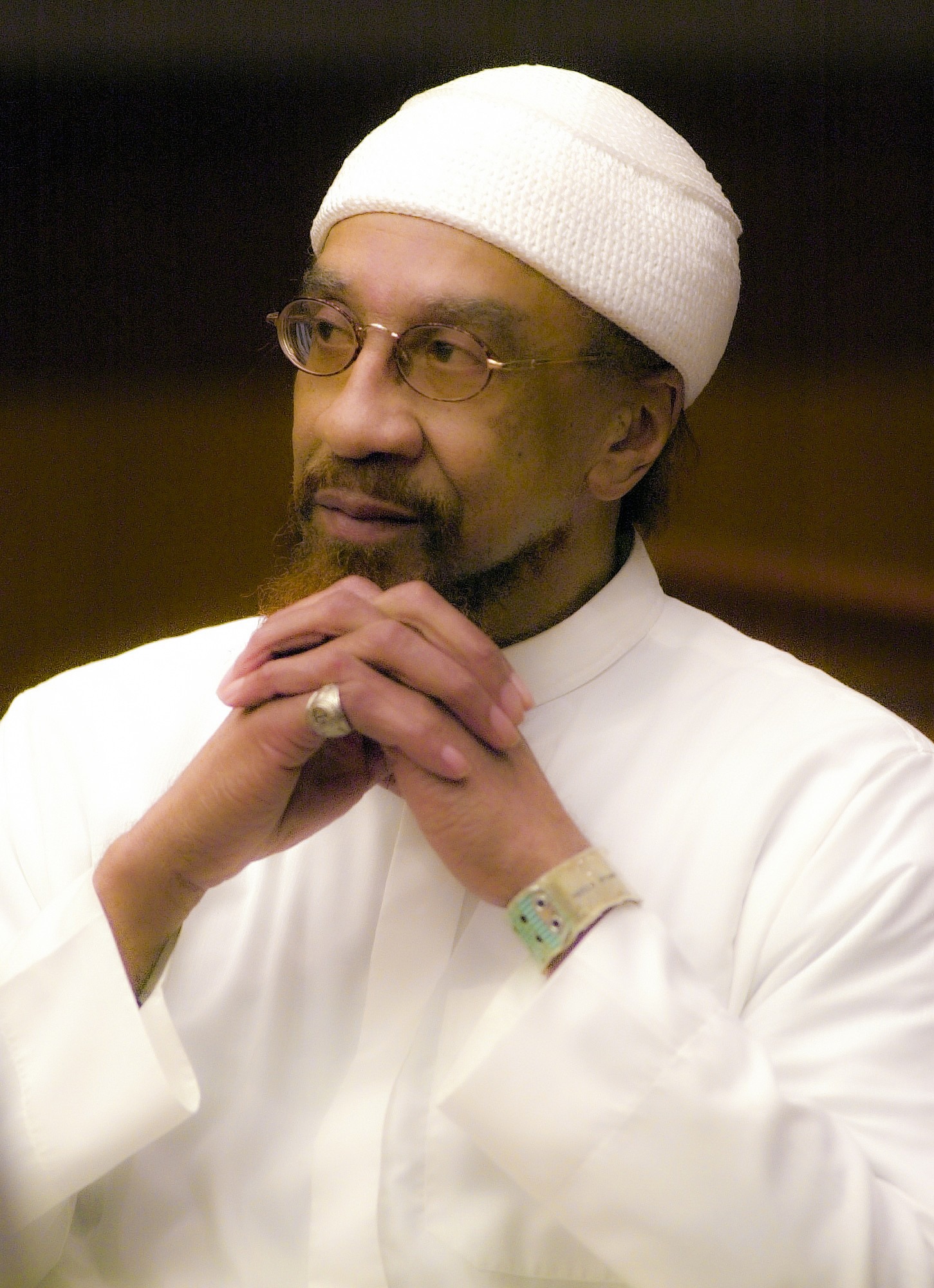

In the tapestry of American history, few figures embodied resistance, transformation, and resilience as profoundly as H. Rap Brown, later known as Imam Jamil Abdullah Al-Amin.
His life, marked by service, a passionate call for Black power, spiritual awakening, and unyielding commitment to justice, serves as a testament to the enduring struggle for equality and the challenges faced by those who dare to confront systemic oppression.
The 82-year-old freedom fighter died Nov. 23 at the Federal Medical Center hospital in Butner, North Carolina, after battling cancer. Imam Al-Amin had been incarcerated after he was convicted in 2002 of murdering a Fulton County, Georgia deputy, a crime that he and his supporters were adamant he did not commit.
The Honorable Minister Louis Farrakhan, National Representative of the Most Honorable Elijah Muhammad, spoke about Imam Al-Amin during part 24 of his 2013 lecture series, “The Time and What Must Be Done.” Minister Farrakhan was speaking on the many political prisoners the U.S. has targeted.
“I visited him when he was [at a maximum-security facility] in Reidsville, Georgia. You took (him) from Georgia and put him in Florence, Colorado [at a ‘supermax’ facility]—and he’s there for life. For ‘life,’ on a trumped-up charge that ‘he murdered somebody?’” Minister Farrakhan said.
Tributes poured in from those who reflected on the life and legacy of the longtime political prisoner upon the news of his death.
The Islamic Circle of North America was one of many organizations to issue statements.
“The ICNA Council for Social Justice (ICNA CSJ), together with the Muslim Alliance for Black Lives (MABL), mourns the passing of Imam Jamil Abdullah Al‑Amin (formerly H. Rap Brown), who returned to his Lord on November 23, 2025, after decades of wrongful incarceration.
We extend our deepest condolences to his wife, children, family, and Muslim community all who loved and were inspired by him.”
A history of resistance and assistance
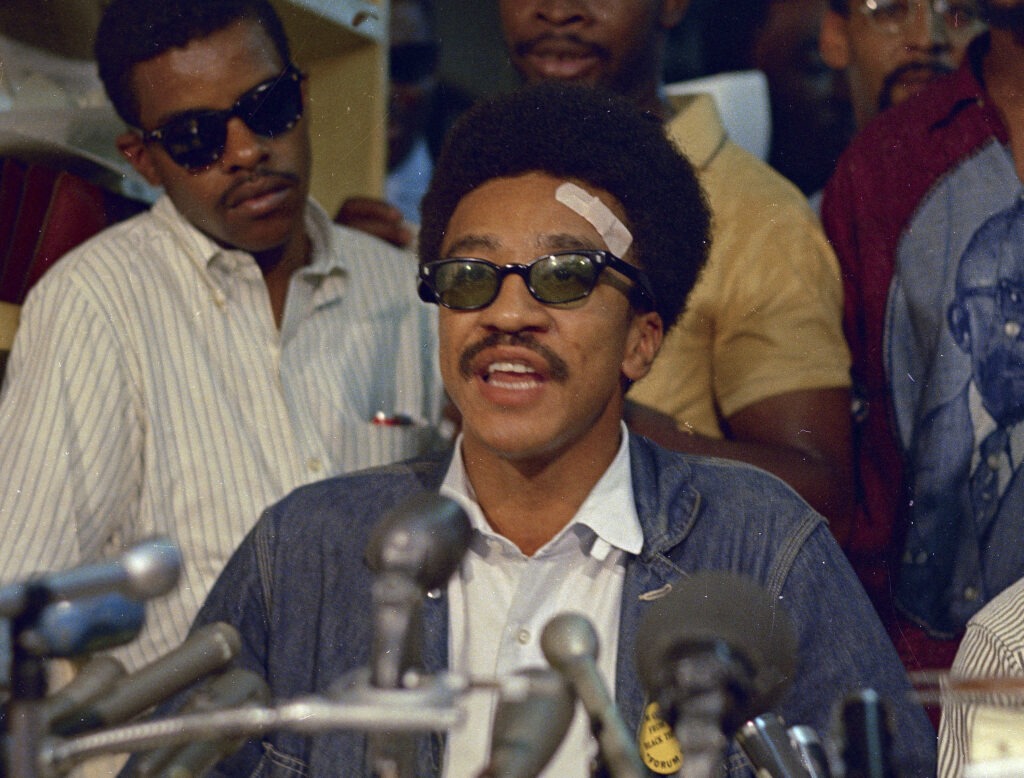
Born Hubert Gerold Brown in Baton Rouge, Louisiana, in 1943, H. Rap Brown rose to prominence during the 1960s as a charismatic and electrifying leader in the civil rights movement.
As the fifth chairman of the Student Nonviolent Coordinating Committee (SNCC), he became a national figure, known for his powerful oratory and unapologetic advocacy for Black empowerment. His speeches, fearless and unflinching, resonated with a generation disillusioned by the slow pace of change.
His leadership coincided with a pivotal moment in the civil rights movement. SNCC, founded in 1960 by student activists under the guidance of Ella Baker, had evolved from sit-ins and voter registration drives to a more radical stance on Black power. H. Rap Brown’s tenure reflected this shift, as he urged communities to confront injustice head-on.
His famous declaration, “Violence is as American as cherry pie,” underscored the hypocrisy of a nation built on conflict yet quick to condemn resistance from the oppressed.
Pam Africa, a longtime activist and head of the Concerned Family and Friends of Mumia Abu Jamal, described Imam Al-Amin’s impact to The Final Call.
“As H. Rap Brown did with the Student Nonviolent Coordinating Committee, he changed areas blighted with drugs and turned people’s lives around. He is remembered in schools and on the streets.” His greatness and actions will live forever, she added.
During a brief alliance between SNCC and the Black Panther Party, H. Rap Brown served as Minister of Justice, further cementing his reputation as a revolutionary thinker.
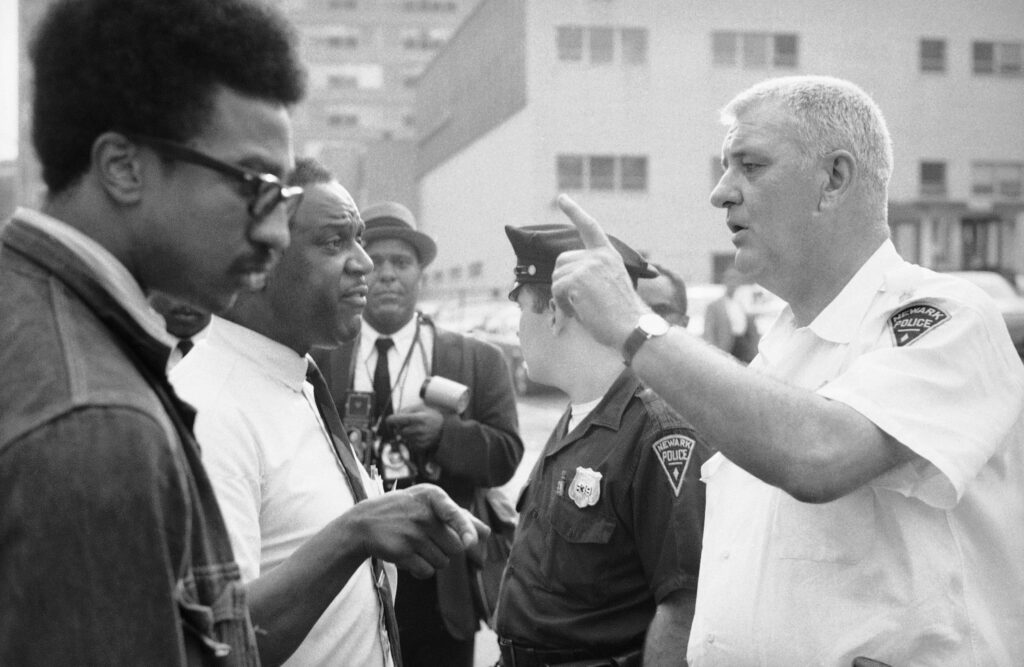
However, his outspoken nature made him a target of government surveillance and repression. The FBI’s COINTELPRO program, designed to neutralize Black leaders, placed him under constant scrutiny, branding him a threat to national security.

The trajectory of H. Rap Brown’s life took a dramatic turn in the 1970s. After serving time for various charges, he accepted Islam while incarcerated, and took the name Jamil Abdullah Al-Amin. This spiritual transformation marked a new chapter in his journey, as he embraced the principles of faith, discipline, and community service.
Upon his release, Imam Al-Amin settled in Atlanta’s West End neighborhood, where he became a pillar of the community. As the leader of a mosque and a local business owner, he worked tirelessly to combat crime, mentor youth, and foster unity.
With his efforts, the West End transformed from a hub of drug activity to a safer, more vibrant area. His efforts earned him the respect of residents and the ire of authorities who continued to view him with suspicion.
Mauci Salikan, who knew Imam Al-Amin described his impact on the area. “The presence of the Muslims under Imam Jamil’s leadership stabilized that corner of Atlanta, cleaned it up, and made the atmosphere more secure and livable. That didn’t go unnoticed.”
In 2000, Imam Al-Amin’s life took another turn when he was accused of killing Deputy Ricky Kinchen and wounding another officer during a confrontation near his store. The trial, fraught with inconsistencies and allegations of misconduct, resulted in a life sentence without parole.
His supporters have long maintained his innocence, pointing to evidence they say was ignored or suppressed. Supporters argue that among several inconsistencies is that the surviving deputy said the shooter was 5 feet 9 inches tall with gray eyes. Imam Al-Amin is 6 feet 5 inches tall with brown eyes. Additionally, no weapon connecting him to the shooting was found.
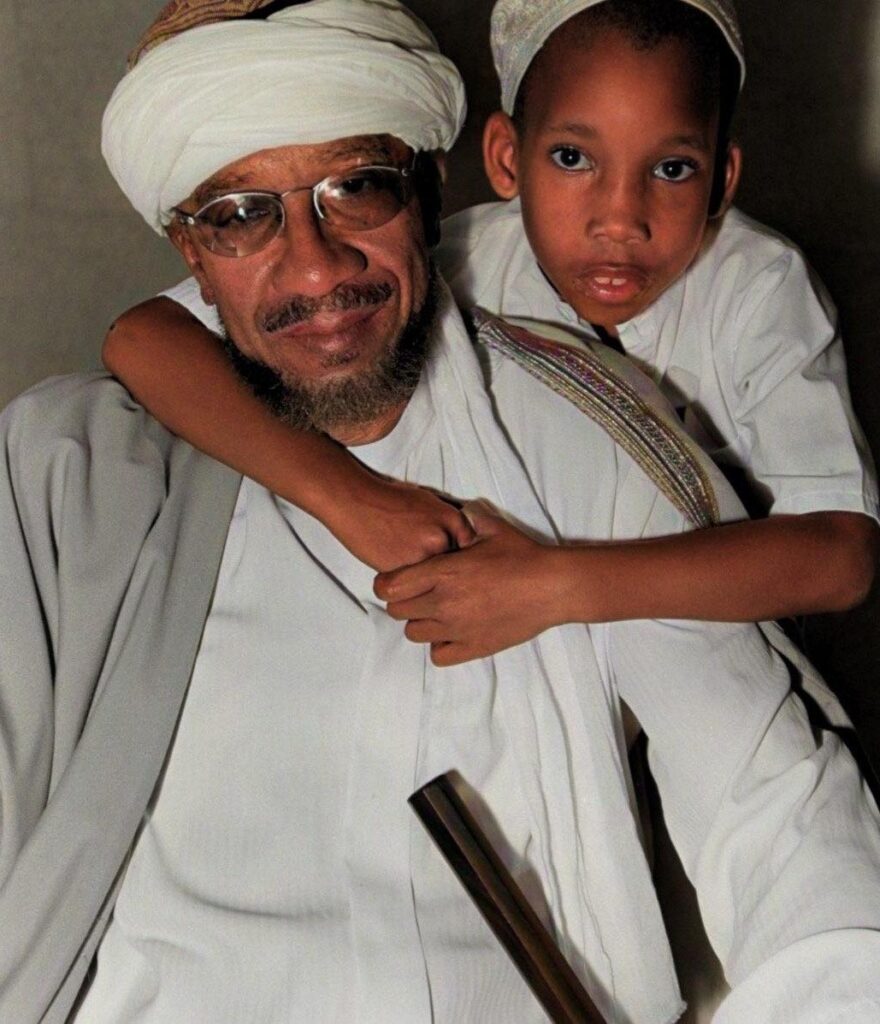
The case became a flashpoint for debates about political imprisonment, systemic racism, and the criminal justice system’s treatment of Black activists.
Pam Africa drew parallels between Imam Al-Amin’s case and that of political prisoner and former Black Panther Mumia Abu-Jamal. “The most striking parallel is that in both of their cases, someone came forward and confessed to the crime.
They said Brother Jamil was shot and that they were looking for a wounded man, but when they arrested him, he wasn’t wounded. It was a framing, a railroad trial. It’s blatant, just like with Mumia,” she said.
The Council on American-Islamic Relations (CAIR) had also been a vocal advocate for the exoneration of Imam Al-Amin. In a press release following his passing, CAIR and CAIR-Georgia reiterated their call for the Fulton County District Attorney’s Conviction Integrity Unit to vacate his conviction.
They highlighted the confession of federal inmate Otis Jackson, who has repeatedly admitted under oath to committing the crime for which Imam Al-Amin was convicted. Despite this, the conviction has not been overturned.
“To God we belong and to Him we return. Imam Jamil Al-Amin was a hero of the civil rights movement and a victim of injustice who passed away in a prison, jailed for a crime he did not commit.
We pray that God rewards him with paradise for his good deeds and the injustices he suffered. We call on the justice system to reopen Imam Jamil’s case and clear his name. He deserves to be fully exonerated,” CAIR National Executive Director Nihad Awad said in a statement.
Brother Steven Muhammad is a member of the Nation of Islam and attends Mosque No. 15 in Atlanta. He told The Final Call that Minister Farrakhan was one of the first prominent figures to question the charges against Imam Al-Amin publicly and to call for a fair trial.
He said Minister Farrakhan’s involvement brought national attention to the case, as he mobilized support within the Muslim and Black communities to advocate for Imam Al-Amin.
“I met with Sheriff Jackie Barrett and delivered the message of unity Minister Farrakhan had given me, emphasizing the need for everyone to work together and move forward. When the Minister came to Atlanta in September 2000, before the trial, he decided he wanted to see Imam Jamil Al-Amin.
We went to Fulton County Jail—myself, Brother Akbar Muhammad, and Imam William Abdul Raheem … . Minister Farrakhan spoke privately with Imam Jamil to offer encouragement and uplift his spirits.”
A powerful legacy
Imam Jamil Al-Amin’s death marks the end of a life that has been celebrated and admired by activists and advocates for prison reform and Black liberation. His legacy remains a powerful reminder of the enduring fight for justice.
Felipe Luciano is the former Chairman of the Young Lords in New York. In a recent video, he described Imam Al-Amin, stating in part, “He was wise, and he loved Black people. That love exuded from him; it wasn’t something he talked about, it was something he lived.”
For many, Imam Al-Amin’s life is a testament to the power of transformation and the resilience of the human spirit. Shafeah M’Balia, an advocate for his release and member of the Imam Jamil Action Network, emphasized his steadfastness during an interview with The Final Call.
“Imam Jamil won. He won before they released his body. They may have held his body, but he was steadfast. He never bowed. He remained committed and always understood that it was not about him, but about others.”
In the wake of his passing, the FTP Movement, Black Power Media, and For the People issued a joint statement highlighting the systemic injustices that defined Al-Amin’s final years.
“Imam Jamil Al-Amin often said, ‘No Slave Should Die a Natural Death.’ There is nothing natural about an 82-year-old human rights advocate spending the last 25 years of his life in conditions we find deeply troubling.
This spiritual leader and significant figure in American history experienced progressive vision loss and battled cancer while reportedly facing significant barriers to adequate medical care,” the statement said.
“We do not simply mourn his passing; we commit ourselves to ensuring that the systemic issues that contributed to his death do not claim others. The work continues. The principles Imam Jamil carried from the Black Power movement of the 1960s to his spiritual practice demand that we organize, mobilize, and continue the struggle for true justice and human dignity.”
In May 2025, Davis Bozeman Johnson Law, the Innocence Project, and the Law Office of Maha A. Elkolalli jointly filed an extraordinary motion for a new trial for Imam Al-Amin.
“We entered the case earlier this year and helped prepare an Extraordinary Motion for a New Trial that, tragically, was not heard in time. After reviewing the documents and evidence, it became overwhelmingly clear to our firm that Imam Jamil Al-Amin did not receive a fair trial.
We honor all of the lawyers who worked tirelessly before and with us in the long fight for his freedom and justice,” Attorney Mawuli Mel Davis of Davis Bozeman Johnson Law said in a statement.
Attorney Maha Elkolalli also released a statement that read in part, “Our government has a long history of erasing those who challenged the status quo.
Imam Jamil Al-Amin leaves behind a seven-decade legacy of fighting for human rights and systemic reform, grounded in a deep love for oppressed people around the world. We must continue to carry that legacy forward.”
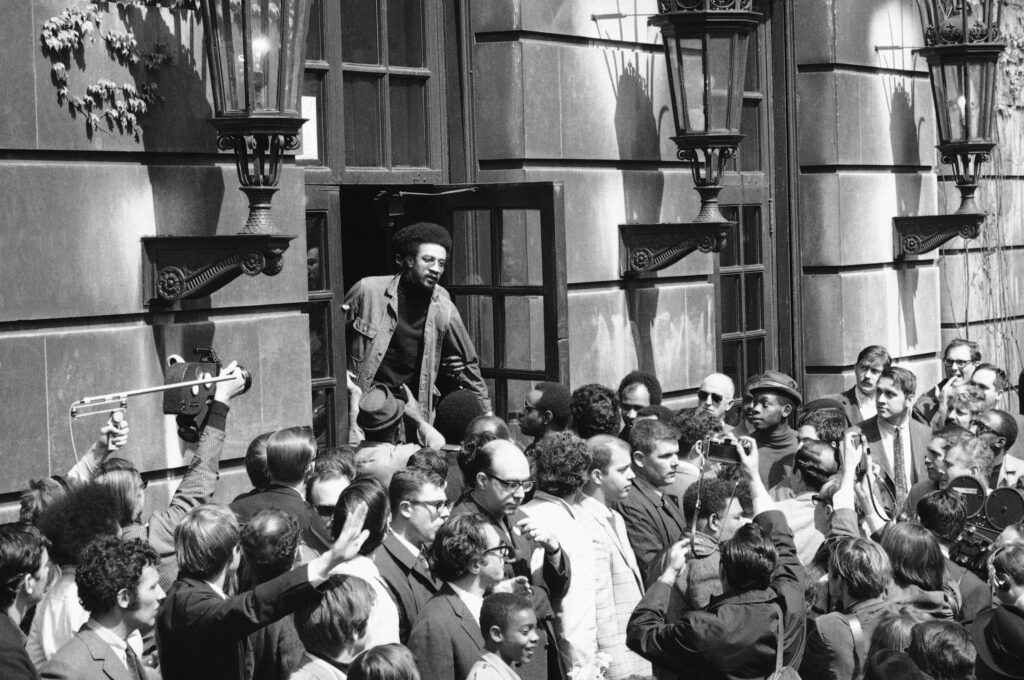
Imam Al-Amin’s son also released a statement.
“On behalf of our entire family, I thank every single person who prayed, stood, marched, researched, wrote, advocated, and fought to clear my father’s name,” said Kairi Al-Amin, his son, reported atlantafirstnews.com. “Your love sustained us. Your belief in his innocence strengthened us,” said Mr. Kairi Al-Amin.
“We ask for your continued prayers as we mourn a father, a husband, a brother, a leader, and a servant of the people,” he added.
Imam Al-Amin is survived by his wife Karima Al-Amin, an attorney.
According to Kairi Al-Amin’s Facebook page, the janazah (funeral service) for Imam Al-Amin was held Nov. 26 at the Muslim Cemetery of South Florida.
