





Iranian officials and supporters have displayed national resilience amid funeral processions and the deaths and property damage caused by continued U.S. strikes.
The Muslim-majority country mourned its late Supreme Leader Ayatollah Ali Khamenei in a weeklong state funeral from July 4 to July 9. The 86-year-old leader, along with his 14-month-old granddaughter, eldest daughter, son-in-law and daughter-in-law, were killed in an airstrike on Feb. 28, the day the U.S. and Israel initiated a joint war on Iran.
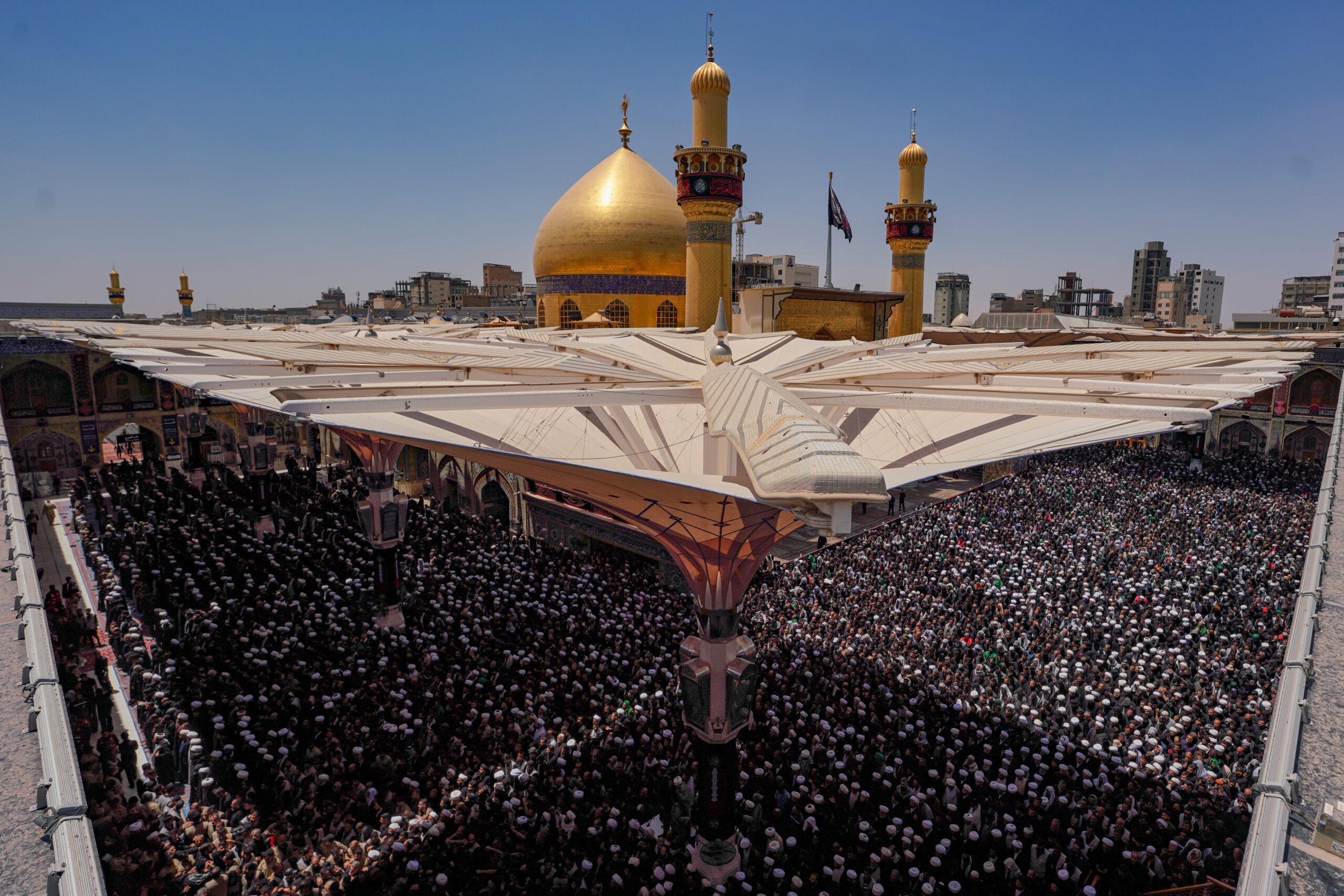
Millions attended the funeral. The ceremonies began in Tehran and included processions through holy cities in Iran and Iraq, including Qom, Najaf and Karbala. The funeral concluded with Supreme Leader Khamenei’s burial at the Imam Reza shrine in the Iranian city of Mashhad, his hometown.
Al Jazeera reported estimates of more than 15 million participants across the funeral processions and at least 12 million people in the streets of the capital on July 6. Iranian state media reported that more than 40 million people attended the weeklong ceremonies.
Observers have characterized the funeral processions as among the largest in history. The 1969 funeral of Indian politician C.N. Annadurai reportedly drew about 15 million.
And the 1989 funeral of Ayatollah Ruhollah Khomeini, founder of the Islamic Republic and Iran’s first Supreme Leader, reportedly drew more than 10 million. Both funerals were single-day events, in contrast to the multiday processions for Supreme Leader Khamenei spanning five cities in two countries.
“Following the assassination of the supreme leader, the government did not fall but became stronger,” Abas Aslani, senior research fellow at the Center for Middle East Strategic Studies in Tehran, told Al Jazeera. “What the U.S. and Israel did backfired. They wanted to bring about regime change in the country, but what actually happened created a rally around the flag.”
Journalist Maryam Bashirpour penned an opinion piece in Press TV, an Iranian state-owned news network, arguing that Supreme Leader Khamenei’s funeral was a “silent referendum”
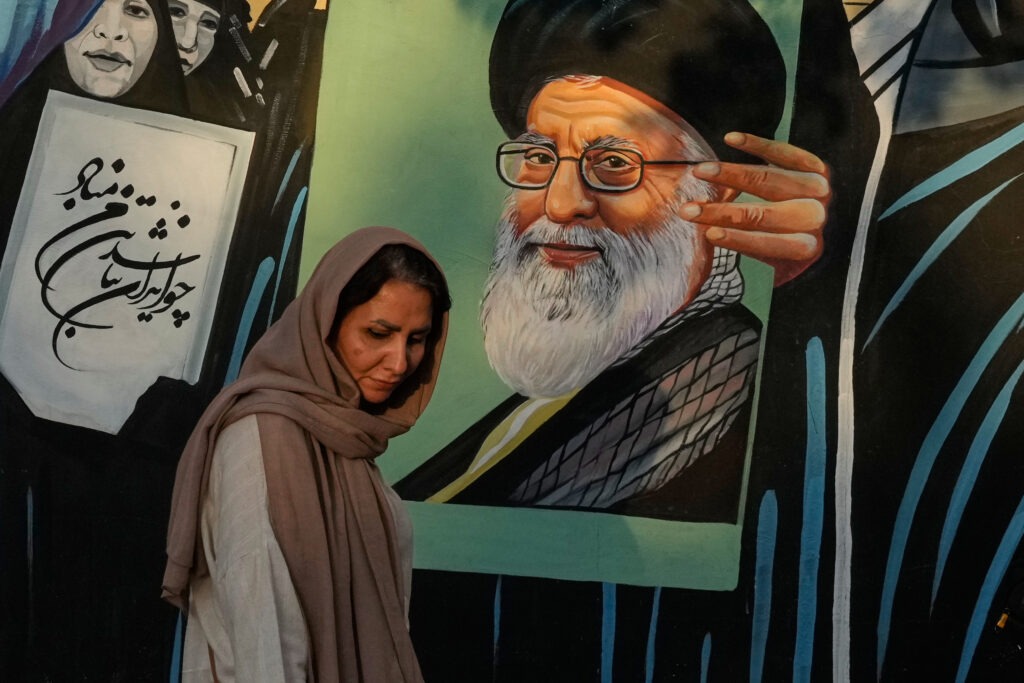
On the legitimacy of the Islamic Republic and that the scale of public participation contradicted Western portrayals of the Iranian government as lacking mass support. She noted that the funeral demonstrated national unity and represented more than a state ceremony.
Supporters of Iran’s government are now voicing opposition to renewed U.S. strikes following the breakdown of the 14-point Memorandum of Understanding (MoU), with Iran accusing the U.S. of violating the agreement. Against that backdrop, and amid lingering anger over Supreme Leader Khamenei’s killing, Iranian government supporters have responded with public demonstrations.
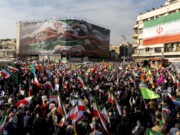
Demonstrators held a pro-government rally on July 17, displaying banners and signs critical of President Trump, according to photos posted by the news magazine India Today. Roya News based in Jordan, posted a video of the July 17 pro-government rally depicting participants waving flags and carrying images of the late Supreme Leader.
In a July 18 meeting, Iranian President Masoud Pezeshkian met with “senior government officials, legal scholars, Justice Minister Amin-Hossein Rahimi and prominent jurist Ayatollah Mostafa Mohaghegh Damad to discuss strategies for documenting war-related damages.
Improving judicial procedures and preparing legal cases concerning war crimes committed by the United States and the Israeli regime,” according to the official website of the Iranian presidency. The president praised the unity among Iran’s three branches of government.
X user Ryan Rozbiani posted an English-language summary of a video from the meeting distributed by Iran’s Student News Network. According to Mr. Rozbiani’s translation, President Pezeshkian said, “I don’t think throughout the revolution we have ever been this aligned with each other.”
Mr. Rozbiani concluded: “Years of sanctions, assassinations, and war were meant to fracture Iran from the inside. They produced the opposite.”
