

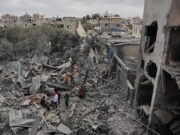
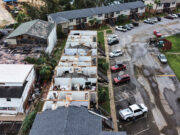








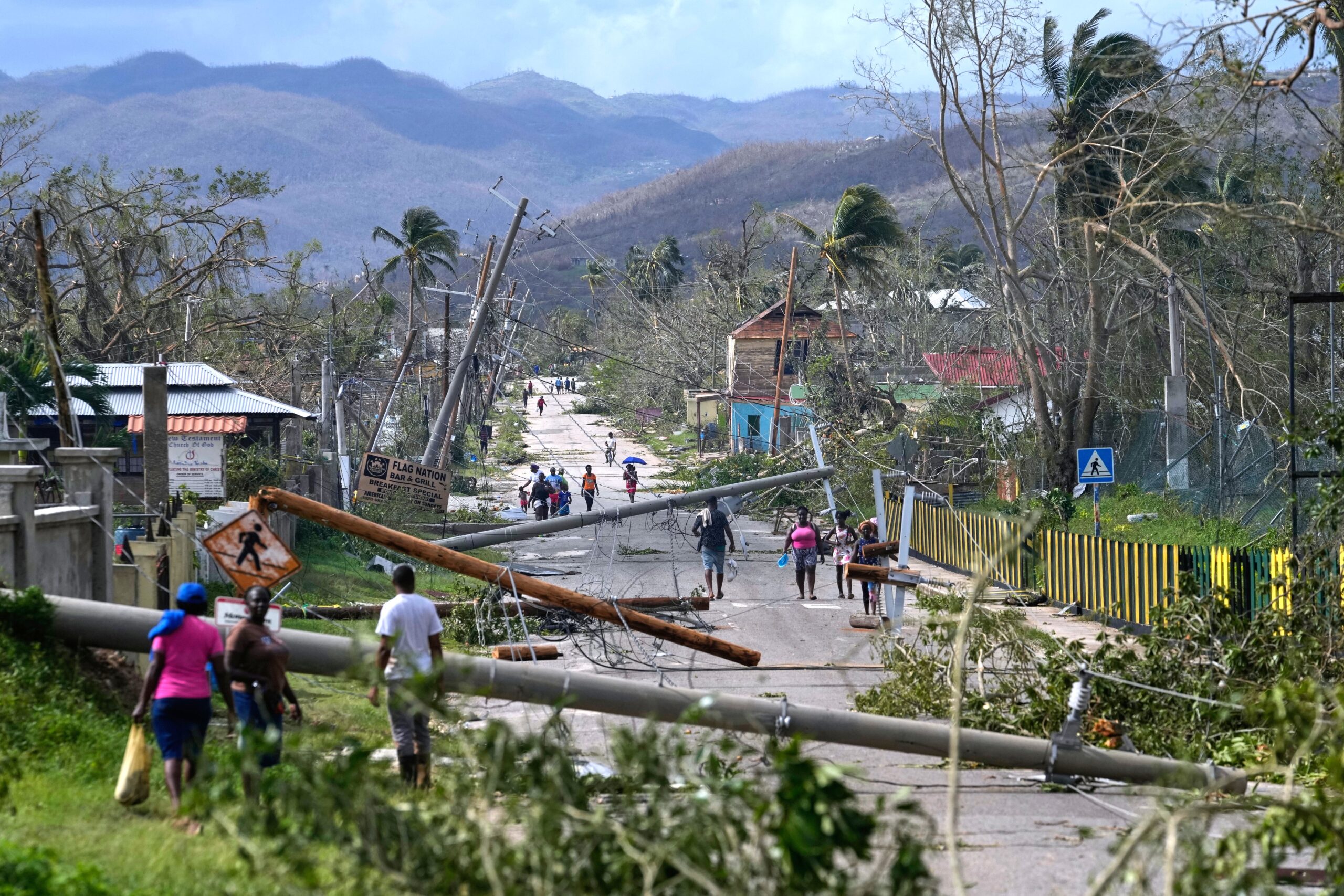

Recovery efforts continue after Category 5 Hurricane Melissa devastated Jamaica and other parts of the Caribbean. It formed as a tropical storm on October 21, then intensified to a Category 1 hurricane on October 25.
Then on October 28, she touched down in Jamaica as a Category 5 hurricane with 185 mph winds. At Final Call presstime, nearly 50 deaths had been reported in Jamaica, Haiti, and the Dominican Republic.
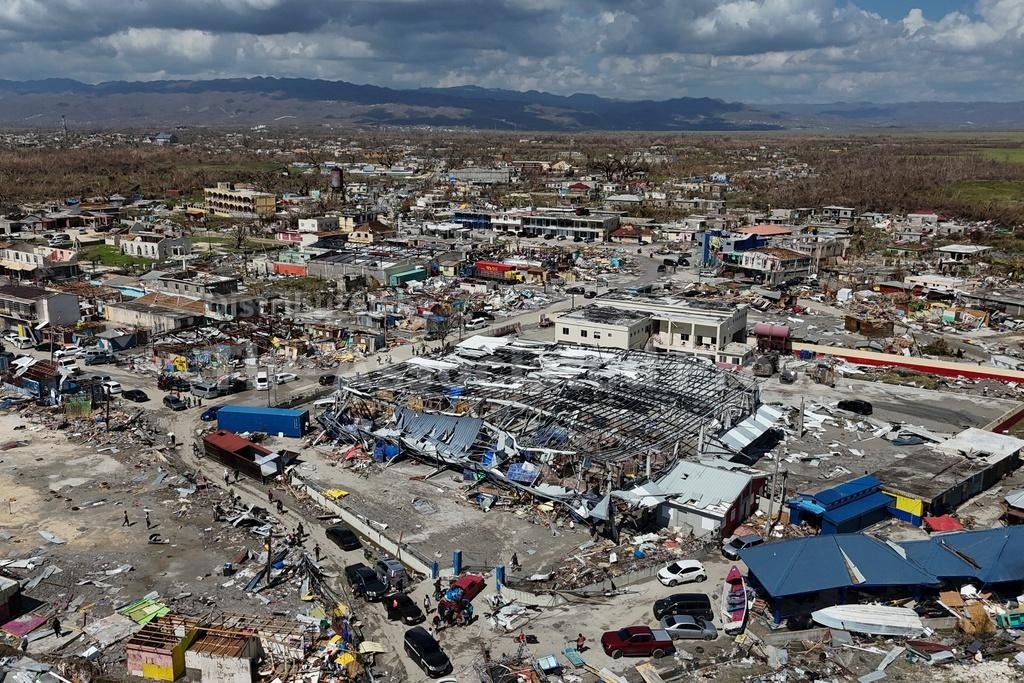
Hurricane Melissa ranks as the strongest ever to strike Jamaica in recorded history. The storm made landfall along the western coast of Jamaica, where entire communities seemed to be marooned and some areas flattened, according to Jamaican officials. The island nation has a population of 2.8 million people and measures approximately 146 miles in length and 51 miles in width at its widest points.
“We don’t have anywhere to sleep tonight because guess what? The house gone,” said a female survivor in Salt Marsh, Jamaica, to Robert Ray of FOX Weather. “All the roof’s gone, the bed is swimming, everything.
I cannot believe what I’m seeing right here,” she said, pointing across a flooded street. “We’re starting from somewhere to nothing and right now, we have to start over. We don’t know where we’re going to start from but we have to try to do what we have to do,” she continued.
Another unidentified male survivor stood in front of Ras Tafari Sacred Space, a farm and heritage community, amid massive debris, and called for fast emergency help.
Another survivor addressed the damage to houses, many without roofs. “I know it’s going to take time, but we are going to try to help ourselves as best as we can, but we’re asking for assistance from the government, to send a truck or something so we can start to help ourselves,” he said.
The Most Honorable Elijah Muhammad, Eternal Leader of the Nation of Islam, taught on the importance of preparation for weather calamities and hardships such as famine. He also taught that Black people must work together in unity to help one another.
His National Representative, the Honorable Minister Louis Farrakhan, has warned for decades to “watch the weather,” and that disaster preparedness is critical as these natural disasters intensify and increase. The Nation of Islam has presented several disaster preparedness workshops in communities over the years.
“My God … The Honorable Minister Louis Farrakhan has been telling us for years to ‘watch the weather,’ said Student Minister Ishmael Muhammad, National Assistant to Minister Farrakhan.
He spoke these words in a message from Minister Farrakhan, during the Nation of Islam’s Saviours’ Day 2025 convention. The message was titled, “Repent For The Kingdom Of God Is At Hand,” delivered at Mosque Maryam in Chicago on Sunday, February 23.
“Fire on one side of the country, ice and storms on the other side; extreme weather events striking the country. Not only here in America, but all over the world.
The events are telling us that we have entered into a very serious and troubled time. A time that the prophet Daniel said has never been and never to be equaled,” said Student Min. Ishmael Muhammad.
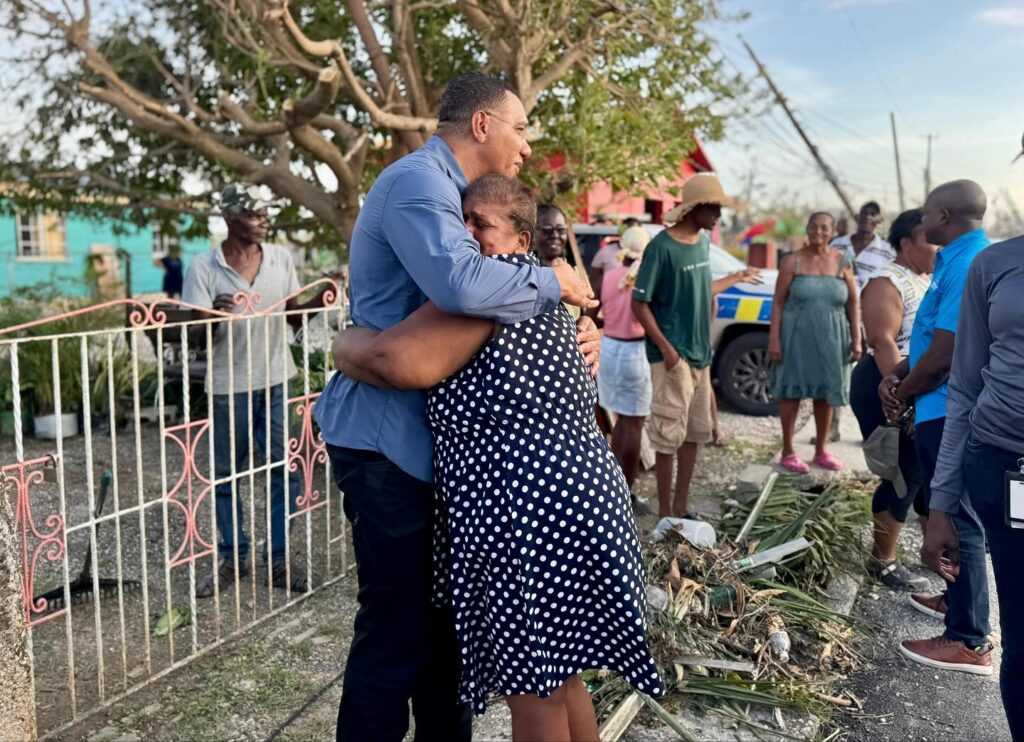
Resilience amid disaster
Meanwhile, within the six most severely impacted parishes in Jamaica—Manchester, St. Elizabeth, Trilani, West Milan and St. James—over 170 communities were moderately or severely affected by flooding, landslides, and other fallout from the hurricane.
“I think the entire Jamaica is really broken because of what has happened. But we remain resilient,” stated Dr. Dana Morris Dixon, Jamaica’s Minister of Education, Skills, Youth and Information, during a special press briefing on October 30. “We are working to get to those who need as much assistance as possible,” said Dr. Dixon.
Jamaican officials anticipated more casualties after activating a humanitarian and disaster task force, and disaster assistance teams went out foot by foot through blocked roads.
“Obviously, we continue to pray that we will not have to recover many bodies, but just know that the Jamaica Defense Force is doing everything they can to get there and do what is necessary,” said Dr. Dixon.
Hurricane Melissa left more than 530,000 in Jamaica without electricity, but Kingston, St. Andrew, St. Catherine and St. Thomas were being served. Power had been restored for the Norman Manley International Airport and eight hospitals, including all major hospitals in Kingston, St. Andrew, St. Katherine and Spanish Town. Restoration efforts were underway for 13 other major health clinics across the island.
At presstime, 51 shelters were in full operation and housed 13,000 people. On the morning of October 30, the country was operating on a slim generation reserve margin due to the unavailability of generation units and the need for high-voltage transmission lines to meet growing demand resulting from restoration, Dr. Dixon explained.
“There (are) really people who still have not been able to make contact with their families, their loved ones, their friends, and road access is still impossible. So, you can imagine the deep, deep sense of worry that is widespread across Jamaica,” she added.
However, she also gave good news, saying all three international airports were open for relief supplies, and officials were expecting at least 13 flights.
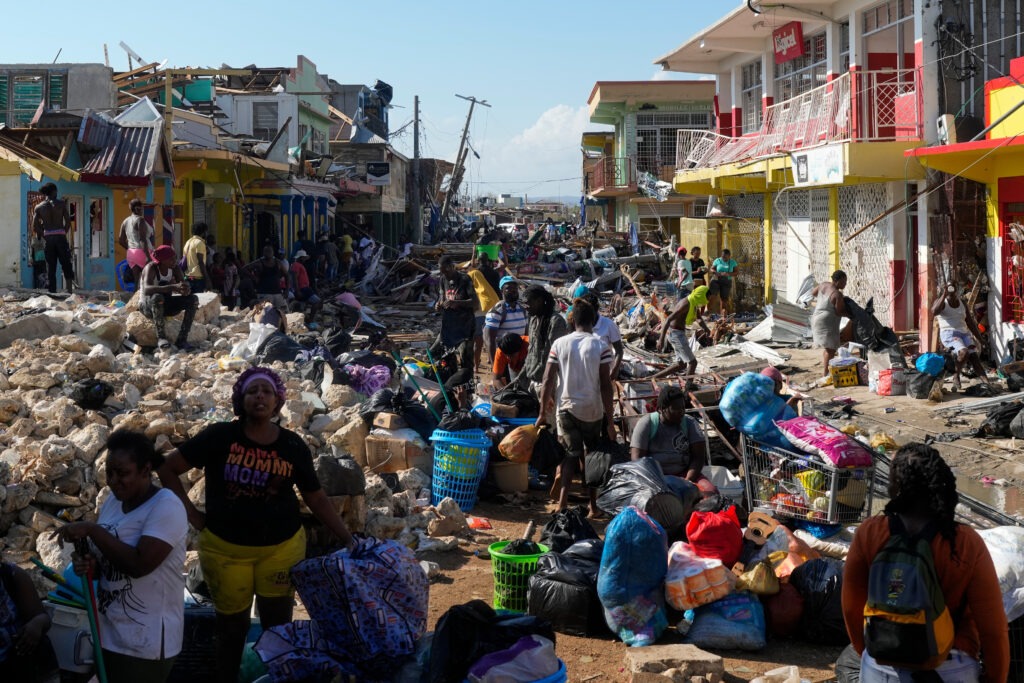
For the first few days of the hurricane, there was flash flooding, landslides and blocked drains in several parishes, especially in eastern and central parishes, officials said.
The hurricane resulted in significant damage to roads and other infrastructure, particularly in the western parts of the island, West Midland, South St. Elizabeth, South Manchester and in some places in Clarinon, according to Robert Morgan, Minister without Portfolio in the Ministry of Economic, Growth and Job Creation with the responsibility for Works.
As of October 30, more than 151 roads had been affected islandwide. Of those, 134 were still blocked, 11 were fully cleared, and 41 were partially cleared to a single lane. Work continued on 82 roads, he added.
In South St. Elizabeth, four feet of sand was on the road adjacent to the sea, stretching for a mile. Bamboo also blocked flooded roads, and some areas have unstable hillsides, he reported.
In terms of financial damages, global insurance specialist BMS Group indicates that the total economic impact of Hurricane Melissa could reach 30–250% of Jamaica’s Gross Domestic Product, potentially triggering a deep recession, widespread unemployment.
A sharp decline in tourism, and severe strain on local banks and insurers, placing heavy pressure on public borrowing to fund recovery efforts. Jamaica’s GDP was $19.9 billion in 2024, according to the World Bank.
“I know that we can agree that we can’t prevent the storms and hurricanes that come at us. But one thing this government can be credited with is putting together a robust national disaster risk financing policy and taking steps to ensure that we put the financing in place,” said Fayval Williams, Minister of Finance and the Public Service.
That multi-layered strategy includes immediately drawing on its contingencies fund with $5.3 billion, then the National Natural Disaster Reserve Fund with $1 billion, and millions more through two different insurance policies, as well as coverage for tropical cyclones and excess rainfall, she detailed.
Jamaican officials criticized unscrupulous players seeking to take advantage of the crisis, and channeled contributors and donors to the country’s official domain.
Prime Minister Andrew Holness commented on the resilience and spirit of the Jamaican people amid the challenges his country is now facing, posting on his official Facebook page on Oct. 30.
“Big respect to our young people who are out there on the ground, using their own resources, even their bikes, to reach stranded families and deliver help where it’s needed most. That’s the true Jamaican spirit, one Jamaica, one family, always looking out for each other no matter the circumstances.”
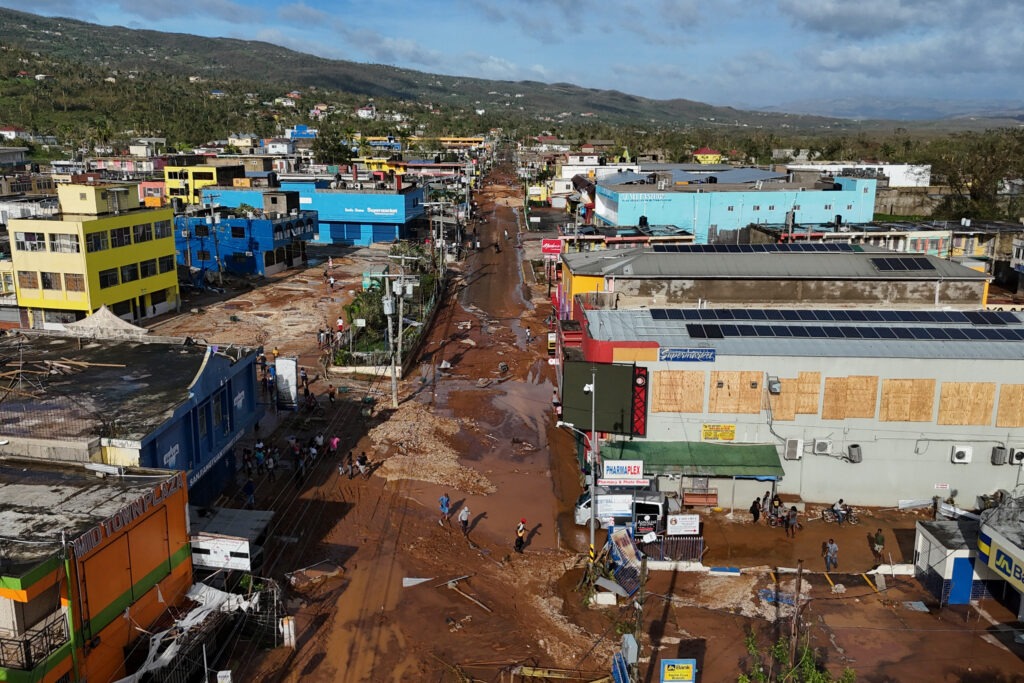
Recovery and caution
Hurricane Melissa also caused catastrophic flooding in Haiti, where at least 30 people were reported killed and 20 others were missing, mainly in the country’s southern region, according to the Associated Press (AP). Some 15,000 people also remained in shelters.
Hurricane Melissa struck Cuba’s southern coast early October 29, as a Category 3 storm.
More than 700,000 residents were evacuated from its eastern region, according to the Weather Channel. The network reported that Cuba’s over 500-year-old, historic city of Santiago de Cuba had collapsed homes, roofs torn open, and flooded streets.
Bermuda braced for a downgraded Category 2 Hurricane Melissa on October 30. As a result, according to government officials, the Bermuda Causeway was closed, pending reassessment the next day. Also closed until October 31st were the L.F. Wade International Airport, all public and private schools, and government offices, until November 1.
Jamaica holds a special place in the heart of Minister Farrakhan, as his father was born there. He has visited and spoken to audiences in Jamaica several times. The island nation hosted The Nation of Islam in the capital city of Kingston to commemorate the 19th Anniversary of the 1995 Million Man March and Holy Day of Atonement.
Tuff Like Iron, a New York-based Reggae musical artist and activist who lives between New York and Jamaica, expressed concern for the safety of her family and friends, particularly noting the loss of electricity and potential damage to crops, including her 17-year-old son’s garden.
“At the end of the day, we could always rebuild and replace property, but we can’t replace our friends and family if something happens to them. Always, life is the most important thing. But also, just hoping that things aren’t too terribly damaged, because it is already a challenge, a country with a lot of challenges,” she told The Final Call.
She also highlighted the resilience of the Jamaican community, noting that many are already mobilizing to start relief efforts. “Stay strong and being prepared is really important and trying our best to stay ready so we don’t have to get ready,” she added.
The Final Call received reports from our representatives in Jamaica that the storm has passed and the devastation is now being assessed. It was a direct hit to parts of the island, the impact is severe and the death toll is climbing.
The parishes that have been impacted are Jamaica’s breadbasket parishes: mainly St. Elizabeth, Westmorland, Hanover and Clarendon. These parishes will not be up before another three to four months.
The impact on the Nation of Islam believers was nothing more than impact on light, water and internet as most are in central Jamaica: Kingston, St. Andrew and St. Catherine with only one brother in Hanover who reported in to be alive and well, reported N.O.I. Jamaica Study Group Student Minister Brother Clive Muhammad.
