











From college athletics to professional leagues and international sporting events, Black women athletes have been subjected to double standards, scorn and ridicule for decades.
Women’s National Basketball Association (WNBA) star Angel Reese, 23, who plays for the Chicago Sky, is the latest to receive backlash after the association announced the results of an investigation on racist fan behavior at an Indiana Fever game in May.
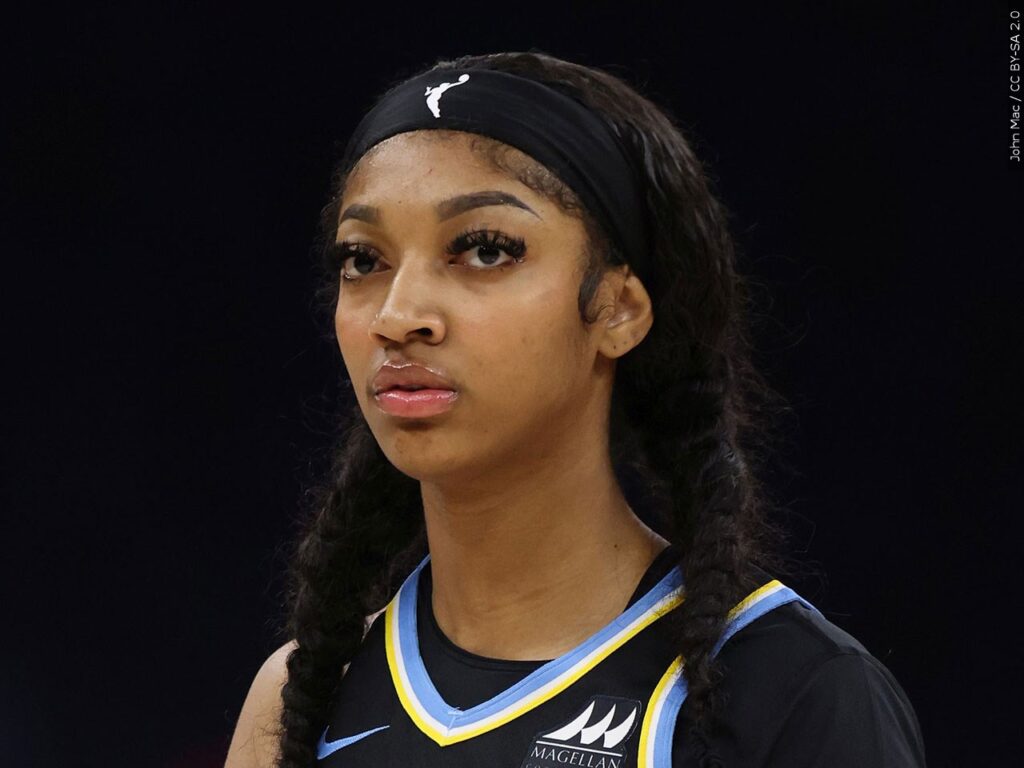
In a statement dated May 27, the WNBA wrote, “Based on information gathered to date, including from relevant fans, team and arena staff, as well as audio and video review of the game, we have not substantiated it.”
The WNBA did not disclose who reported the alleged racist fan behavior at the May 17 game. Still, Ms. Reese received online backlash as a result. It is not the first time the young, Black woman has been unfairly targeted and publicly attacked.
As a student-athlete at Louisiana State University (LSU), she gained notoriety when her team defeated the Iowa Hawkeyes, led by Caitlin Clark, who is White, in the 2023 NCAA Women’s Basketball Championship game. Ms. Clark now plays for the Indiana Fever in the WNBA.
In the aftermath of the WNBA’s statement, once again, Ms. Reese was attacked and disparaged on social media and by some sports talk radio hosts. A U.S. Senator even demanded she apologize.
Ms. Reese has spoken out against racism in the past, related to the Indiana Fever’s fanbase and called out the media’s lack of action and accountability.
“For the past 2 years, the media has benefited from my pain & me being villainized to create a narrative. They allowed this. This was beneficial to them.
I sometimes share my experiences of things that have happened to me but I’ve also allowed this to happen to me, for way too long and now other players in this league are dealing with & experiencing the same things,” she posted on X in September 2024.
“This isn’t ok at all. Anything beyond criticism about playing the game we love is wrong. I’m sorry to all the players that have/continue to experience the same things I have,” she continued.
“This is why I started my podcast. To take my voice back and create the narrative of who I really am. At the end of the day, I don’t want an apology, nor do I think this will ever stop but something has to change.”
Earlier that year, in July 2024, Ms. Reese’s mother shared screenshots of racist comments about her daughter from Caitlin Clark fans.
The Most Honorable Elijah Muhammad and the Honorable Minister Louis Farrakhan emphasize the importance of Black women cultivating their gifts, skills, and talents in a manner that is both dignifying and uplifting. Both Divine Servants also teach that the Black woman must be protected and respected.
For Dr. Ajhanai Keaton, part of the racism Black women in the WNBA experience is due to a gradual wave of new fans in support of Ms. Clark. Over the past 25 years, WNBA fans have primarily been non-White or those who are marginalized, she explained.
“And so now we’re seeing those who are interested in the game who were never interested before,” she said to The Final Call.
The players in the WNBA itself have always been majority Black. In 2018, more than 78 percent of players identified as Black, according to The Institute for Diversity and Ethics in Sport’s annual Racial and Gender Report Card for the WNBA. Based on data presented in the latest report card for the 2023 season, Black players made up almost 64 percent of the WNBA.
However, research and news reports have also documented the growing White fan base of the WNBA.
Last year, Sports Business Journal reported that the WNBA’s audience had “undergone a massive shift” with more young viewers, male viewers and White viewers.
While the WNBA’s viewership is still disproportionately Black, with Black people being 13 percent of the U.S. population but making up 34-45 percent of viewership depending on the television network, non-Hispanic White viewers grew astronomically, according to data printed by the Sports Business Journal.
With the increase of White fans comes platforms of people who appeal to the so-called far-right and are not necessarily invested in “women’s sports” but are, instead, invested in “characters of the game,”
Dr. Keaton said. Dr. Keaton is an assistant professor at the University of Massachusetts Amherst’s Mark H. McCormack Department of Sport Management. Her research focuses on the intersection of organizational behavior, race, gender, media and politics.
“I think for most who have been fans of the WNBA, we’d say it’s always been this nice. It’s always been this physical, and they’ve always been this talented. I think what has led to new viewership, I won’t deny, is the rise to Caitlin Clark. She is an exciting character, but she also brings a unique fandom attached to her,” Dr. Keaton said.
Whether or not she shares similar ideologies to her fans, her college basketball career brought additional viewership that carried over to the WNBA, she explained.
“There is a pretty direct correlation between women’s college basketball sports fans and WNBA basketball fans, and I think that pathway has allowed for people who may have never seen interest in women’s basketball to remain connected to it,” Dr. Keaton added. “But with that connection, they don’t have the historical understanding of the game.”
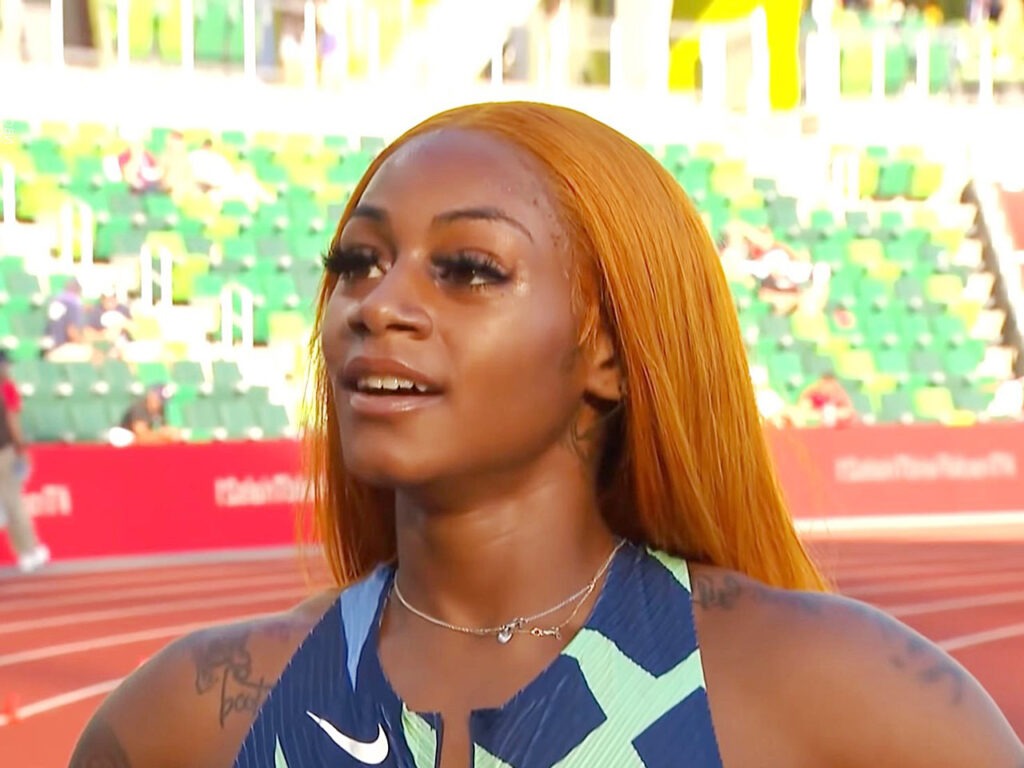
But WNBA players are not the only Black women athletes experiencing racism and mockery. Track and field sprinter Sha’Carri Richardson faced it when she was suspended from the Olympics for a violation that White athletes have violated before, but were allowed to compete.
Throughout their tennis career, Venus and Serena Williams experienced racist cartoons, disparaging comments, critiques of their bodies and the way they expressed themselves, and stricter rules. Black women athletes are criticized and critiqued for their hair, how they talk, their facial expressions and more.
“I think a lot of it has to do with, when you kind of make your own rules. Sha’Carri Richardson, very flamboyant. Angel Reese, very outspoken. The Williams sisters, very confident,” Dr. Leonard Moore, an American history professor at the University of Texas at Austin and founder of the Black Student-Athlete Summit, said to The Final Call.
“And I think the same criticism we see of Black women’s athletics is the same criticism we see of Black women in the marketplace for corporate America. It’s the same thing; same critique, just different arena, so to speak.”
“I think one of the biggest things that it’s really hard for people to figure out is how can you cheer for me on Saturday and Sunday, and then the minute I do something you don’t like, now you’re coming with the insults,” he added. “And I remind a lot of athletes; they may not be cheering for you. They’re probably cheering for the jersey.”
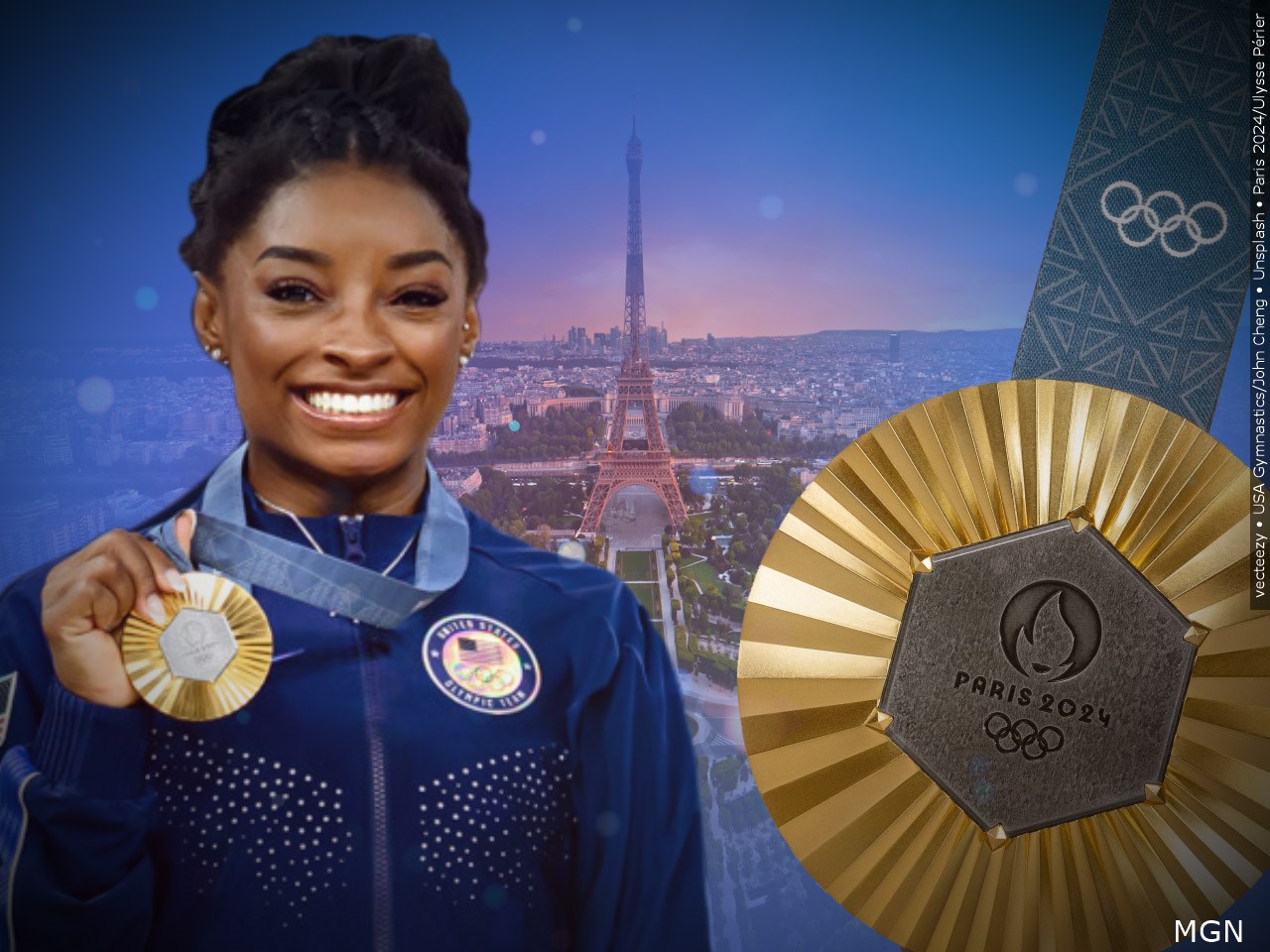
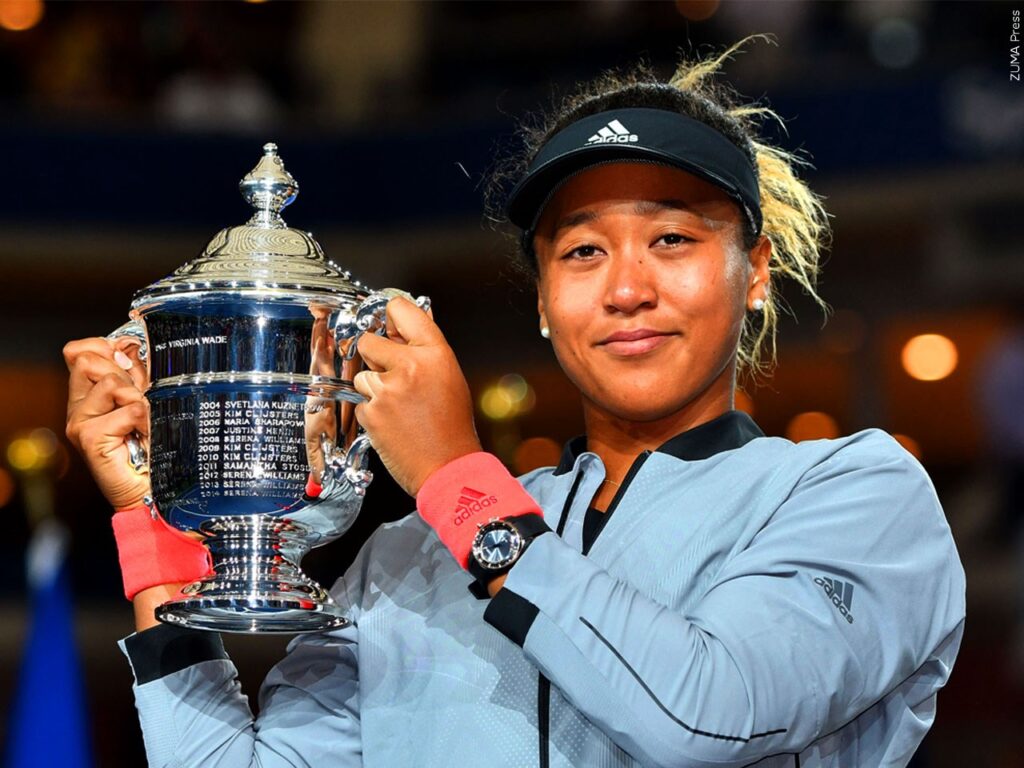
Other Black women who have been subjected to racist comments and online hate include Black and Japanese tennis player Naomi Osaka and Olympic champion and professional gymnast Simone Biles, who has been outspoken about racism in gymnastics. Both women also faced backlash for prioritizing their mental health.
Part of the critique from the Black community is the result of “leaning into a White gaze,” she said, adding that those in the White community may offer a “projection of White femininity upon Black women athletes.”
“Black women are not just Black, and they’re not just women. They’re Black women,” she said. “Just because they’re in sport, they are not dismissed from these experiences. I would say it just plays out in front of a broader stage, and it’s misinterpreted on a broader level because of that.”
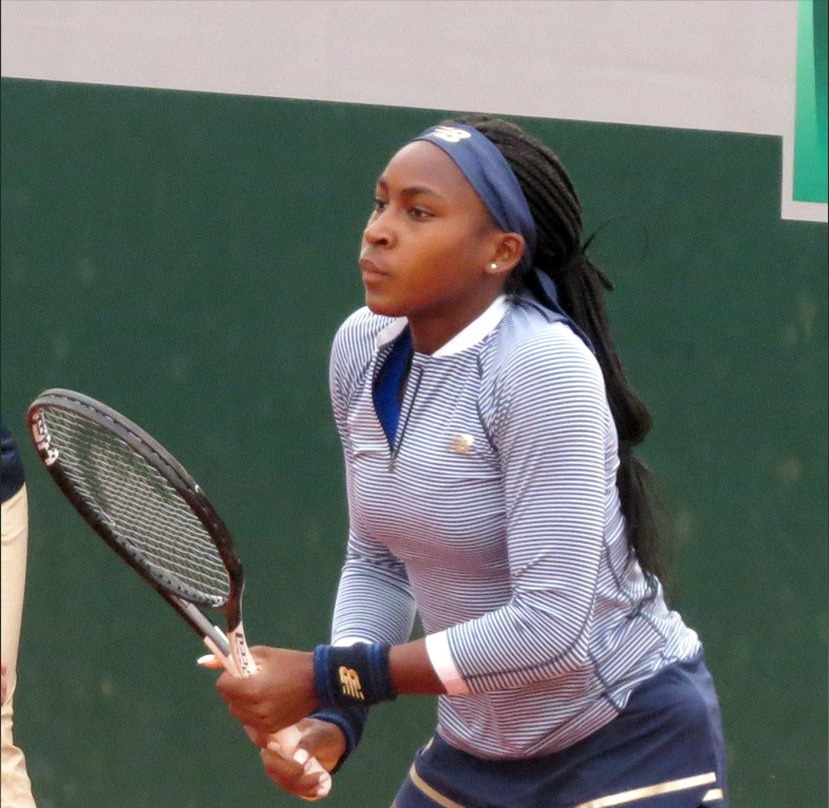
Tennis star Coco Gauff, 21, who is Black, recently defeated top-ranked Aryna Sabalenka in three sets to claim the French Open. Ms. Gauff became the first American woman since Serena Williams in 2015 to win.
Instead of accepting defeat by a better opponent, Ms. Sabalenka blamed it on windy conditions and her own errors. She quickly backtracked after she was taken to task for her comments.
Why do Black women continue to face racism and backlash in the sports world? Because they continue to exceed in spite of everything, Dr. Keaton said.
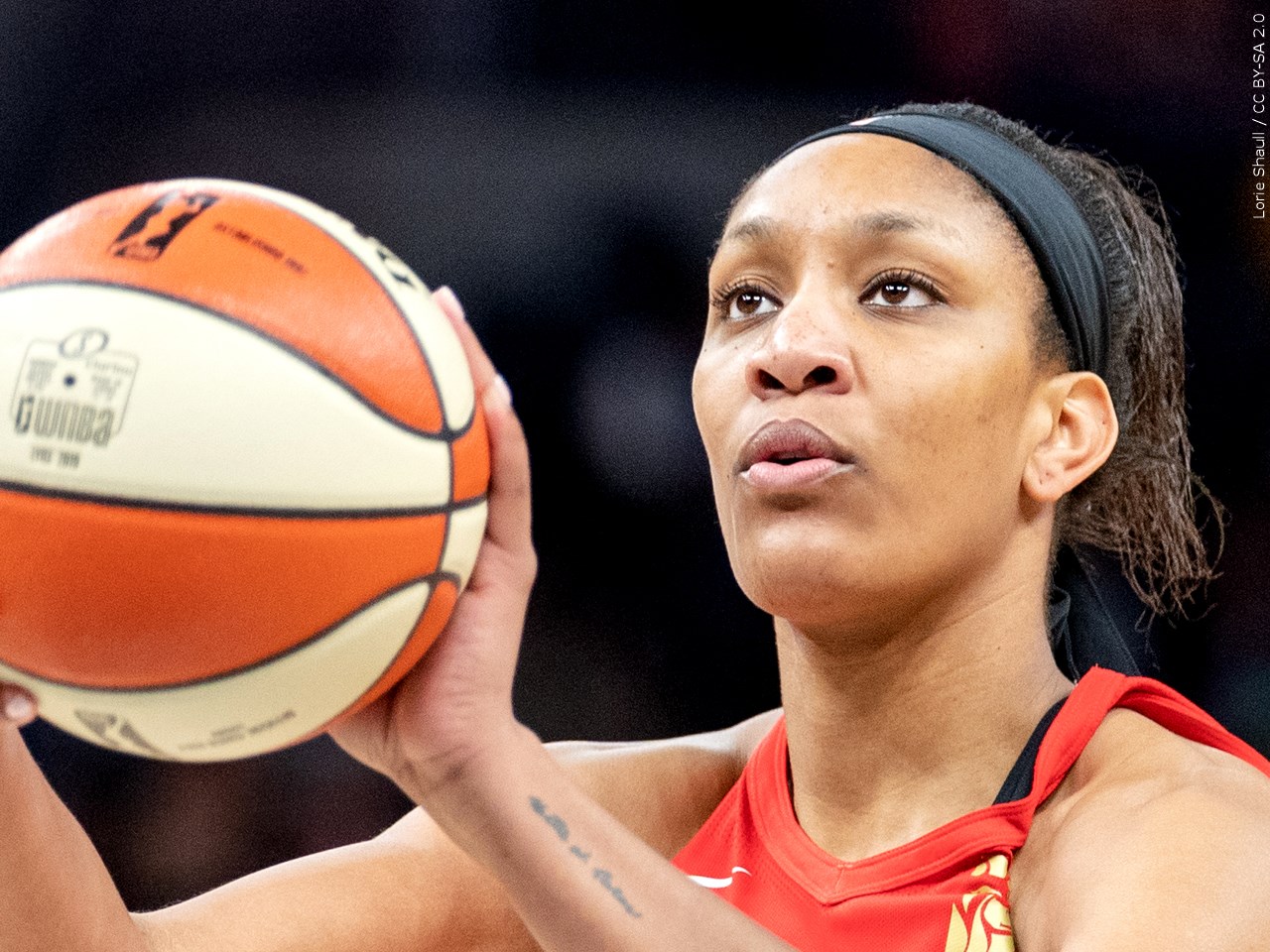
“I think we’re seeing it right now with A’ja Wilson and her signature shoe,” she said, referring to the WNBA champion and her shoe endorsement. “We’re seeing Sha’Carri; she bounced back from what she experienced with being denied being able to participate in the Olympic games a couple years ago. …”
“We just see Black women continue to exceed and break records, despite all of the animosity they experience at the intersection of their identity,” she added. She would like to see more academics and media outlets look at what Black women offer to sports from a cultural perspective and has enjoyed seeing more Black women sports journalists.
Dr. Keaton also encouraged Black fans to tune in to Black creators who cover women’s sports, rather than relying on large networks.
