






Relentless attacks and counterattacks between the United States and Israel on one side and the Islamic Republic of Iran on the other are intensifying. After launching strikes in late February, Washington and Tel Aviv have transformed the Persian Gulf into another theater of a widening and controversial war.
What began as a military strike has erupted into a regional confrontation with global consequences. Iranian retaliation targeting U.S. military bases in countries across the Gulf, rising oil prices and mounting pressure on key shipping routes are sending shockwaves through the world economy. Fears that the conflict could engulf the wider Middle East are growing. It is a time of great trouble and uncertainty.
“We’re living through a moment right now of grave peril,” said Tom Fletcher, United Nations Under-Secretary-General for Humanitarian Affairs and Emergency Relief.
“Across the Middle East, we’re seeing these crises escalate rapidly and increasingly collide in dangerous ways. And we’re seeing the consequences spread faster than we can respond,” he stated in an X post on March 13.
Days into the war, the UN’s emergency relief chief condemned the “$1 billion-a-day” war cost roiling the Middle East, at a time of severe cuts to the global body’s humanitarian work in emergencies and “soaring” needs.
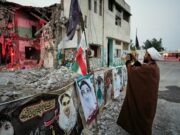
With escalated conflict came its impact on civilians and destruction of non-military infrastructure, residential units, commercial properties, schools, mosques, cultural institutions, and medical centers. Israel bombed Iranian historical monuments dating to the 14th century and multiple UNESCO World Heritage Sites, said Iranian officials.
By Final Call presstime, more than 1,800 people were killed and tens of thousands injured—mostly civilians in the deadly strikes on Iran. In another related warfront, Lebanon’s Health Ministry said 773 people perished in Israeli attacks, reported Al Jazeera.
Environmental terrorism?
The UN says the fighting has already affected at least a dozen countries beyond Iran and Israel, where missiles, drones and falling debris have damaged homes, airports, businesses and energy infrastructure across the region.
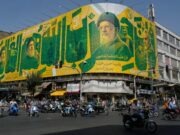
In Lebanon, Hezbollah—an ally of Iran—has entered the conflict, prompting Israeli strikes, with the UN reporting heavy displacement across southern Lebanon, the Bekaa Valley, and the southern suburbs of Beirut.
Meanwhile, Christian Lindmeier, spokesperson for the World Health Organization, said strikes on oil infrastructure in Bahrain and Saudi Arabia raise concerns of “wider regional pollution exposure,” with toxic pollutants that can harm respiratory health and contaminate water.
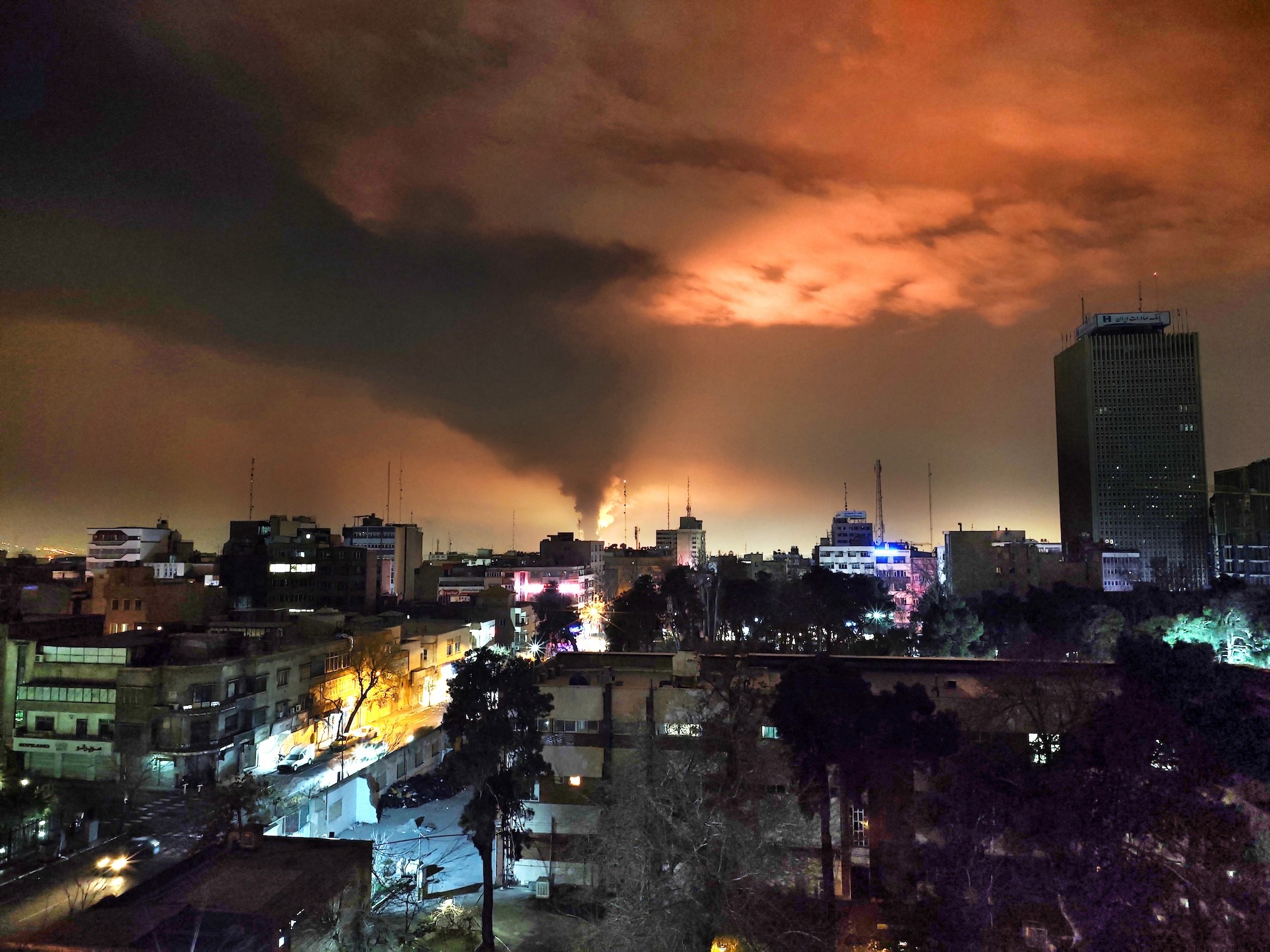
The warnings come as Tehran and other parts of Iran remain shrouded in thick black smoke from bombed oil depots, underscoring the far-reaching environmental impact of the strikes.
“The black rain and the acidic rain coming with it is indeed a danger for the population, respiratory mainly, and it could be acidic depending of course what context you have,” said Mr. Lindmeier.
Iran’s determination and regional tensions
Observers note that Iranian leaders are framing the confrontation as an existential “final battle,” arguing that either the decades-long resistance to America and Israel collapses or the conflict reshapes the regional balance of power.
An explainer issued by the National Iranian American Council said Iran appears determined to demonstrate that, despite losing senior leadership figures—including its Supreme Leader Ali Khamenei—the state continues to function.
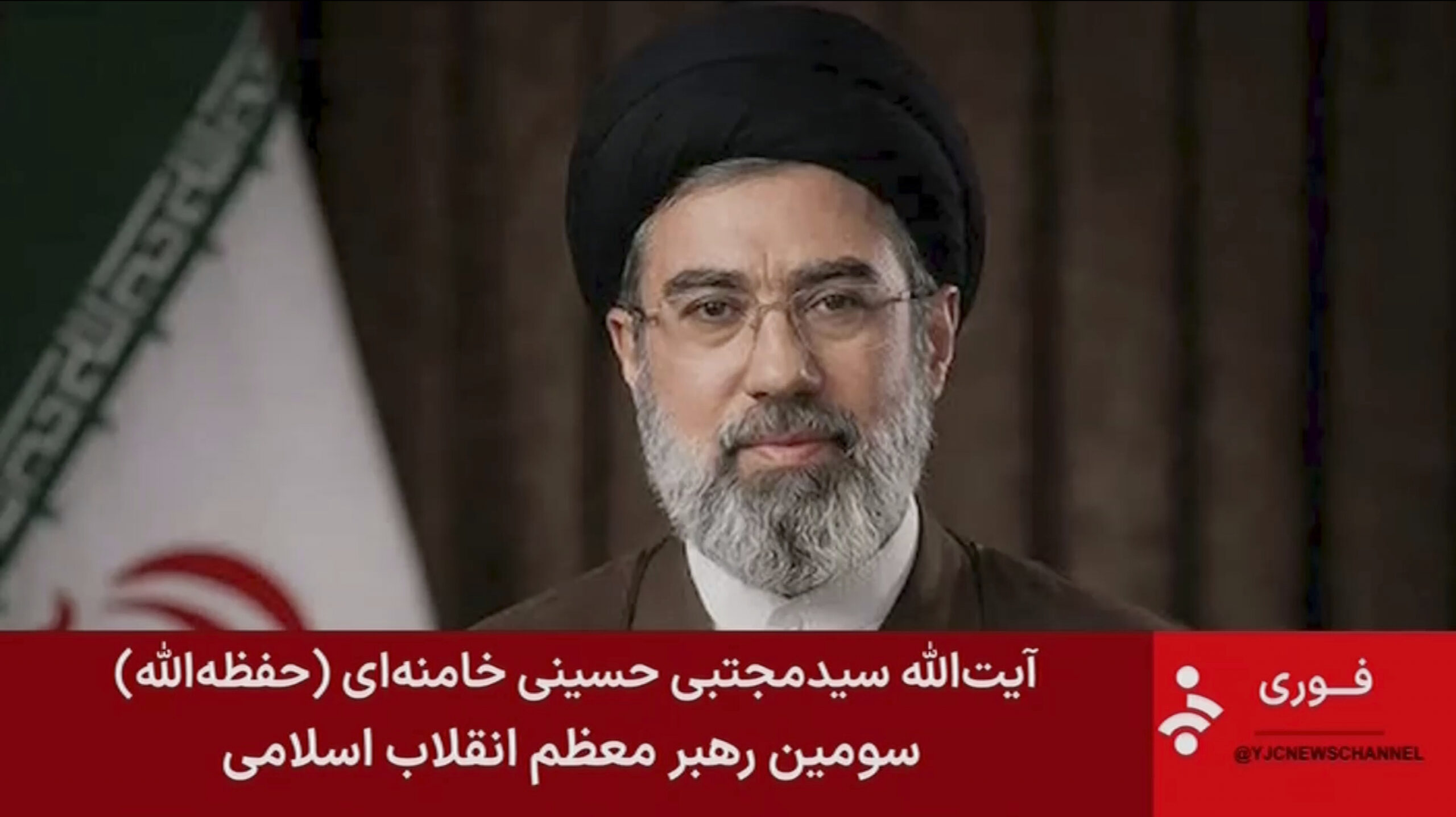
That message was underscored by the appointment of the late ayatollah’s son, Mojtaba Khamenei, as the new supreme leader. In his first public statement, he reaffirmed Iran’s commitment to resistance.
It affirms that Iran intends to continue the war through regional pressure, maritime disruption, proxy coordination, and retaliatory strikes, while simultaneously mobilizing the Iranian public around a narrative of national resistance.
As the war rages, the UN Security Council voted on March 11 to denounce Tehran for “egregious attacks” on the soil of its regional neighbors, where the U.S. maintains military bases.
The 15-member council adopted the resolution 2817 (2026) by a vote of 13-0 in favor, with China and Russia abstaining. The Bahrain-led resolution against Iran included Kuwait, Oman, Qatar, Saudi Arabia, the United Arab Emirates and Jordan.
Russia, China, and Iran scorned the Council’s vote for hypocritically rebuking Iran while not mentioning the unprovoked attack on Iran by the U.S. and Israel that started the war.
“Regretfully, the draft resolution does not fully reflect the root cause and the overall picture of the conflict in a balanced manner,” said Fu Cong, China’s UN Ambassador. “Therefore, China had no choice but to abstain from the vote,” he said.
“To our deep regret, the resolution that just passed is expressed […] in a biased and one-sided tone,” said Vasily Nebenzya, Moscow’s representative.
Reading the resolution without context would lead one to believe that Tehran, with no provocation and out of pure malice, decided to strike targets across the region for no reason, said Mr. Nebenzya.
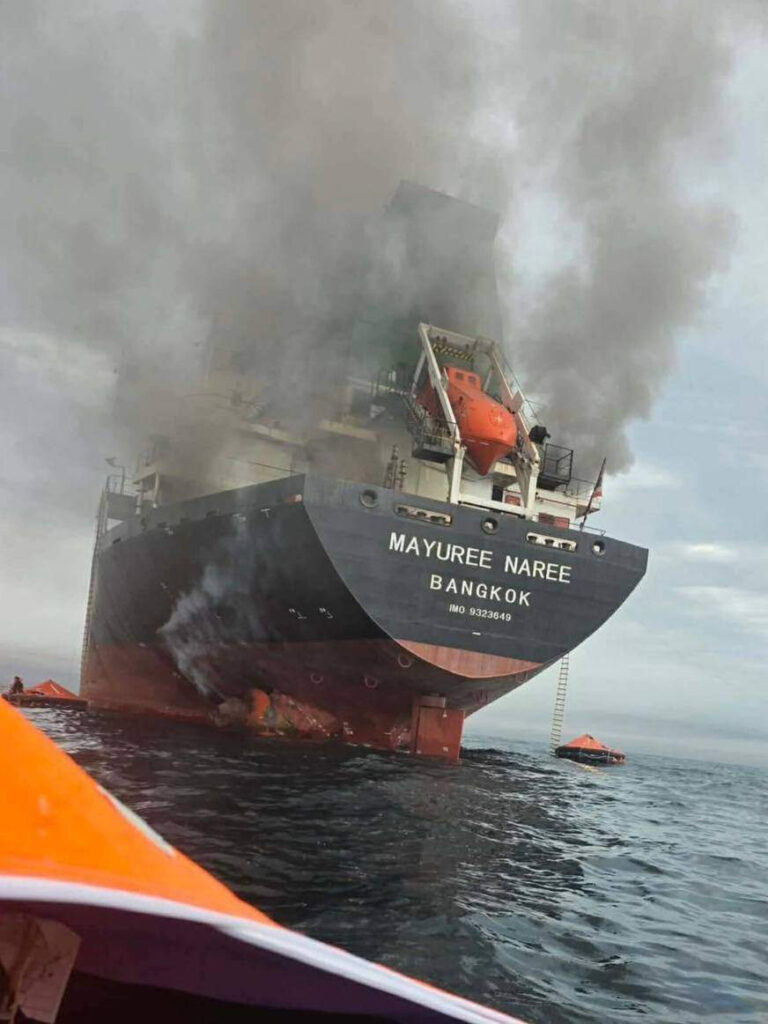
He also noted the need to protect civilians presented in the resolution is one-sided — as if Israel and the United States had not killed men, women and children in Iran and cynically murdered the country’s Supreme Leader.
“The Council’s adoption [of this text] could be interpreted by bad-faith actors, and […] those who started this war, to continue their acts of aggression against Iran,” he warned.
The council vote and the war have exposed a deep fissure in the Muslim world. The Honorable Minister Louis Farrakhan, the National Representative of the Most Honorable Elijah Muhammad and the Nation of Islam, has over the years, shared warnings about the disunity within the Muslim world.
Minister Farrakhan condemned the divisions and the “poison mischief makers” like America and Israel, “creating the mischief that will cause Muslims to shed the blood of Muslims.”
In his Saviours’ Day message, “What Does Allah The Great Mahdi and The Great Messiah Have To Say About The War In The Middle East?’ delivered in February, 2024, addressing Israel’s U.S. backed genocidal war on Palestinians, Minister Farrakhan had implored:
“Muslim world leaders: Stand up for your Palestinian brothers and sisters!” “Why is that? Are we Muslims? Prophet Muhammad, peace be upon him, said, ‘You are not a Muslim if you don’t want for your brother what you want for yourself.’
Now, I know that the Muslim world feels the pain of the Palestinians, but they are afraid—afraid to stand,” he said. “And from the rostrum, I am asking the Muslim world to stop fearing the consequence of standing,” continued Minister Farrakhan.
The Arab world is showing the same fear in responding to the U.S. -Israel aggression on Iran. They are top buyers of war-ware from the U.S. military industrial complex, and the Western powers see the power of wealth in the Muslim world.
Minister Farrakhan’s teacher, the Honorable Elijah Muhammad, the Eternal Leader of the Nation of Islam, warned that America is coming out of the Middle East. War will be in the Middle East and when America comes out, the question was asked, will there be bloodshed?
And the Honorable Elijah Muhammad responded with one word, “plenty.” Both Divine Warners cautioned about the consequences and losses due to America’s errant foreign policies.
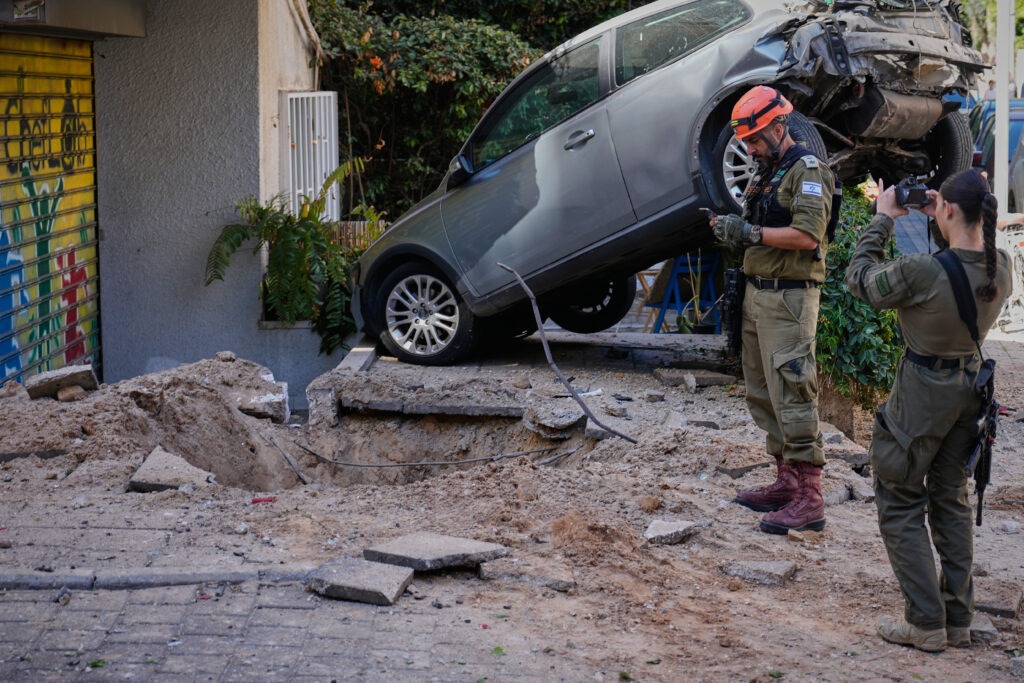
A manifest loss
The war comes with high political costs, economic risks and no clear off‑ramp, analysts note.
Dr. Gerald Horne, the John J. and Rebecca Moores Chair of History and African American Studies at the University of Houston, said the Trump administration made a miscalculation. “I think obviously Mr. Trump miscalculated wildly,” said Dr. Horne.
The conflict could send oil prices soaring, he reasoned, potentially to $200 a barrel—pushing gasoline prices to $8, $9 or even $10 a gallon. Such a spike would deliver a major blow to consumers across America. Notwithstanding, Iran retains leverage in how the conflict unfolds, meaning Washington cannot simply declare victory without considering Tehran’s response.
“You can start a fight … try to walk away, but the person you punch is not necessarily going to say, ‘Okay, that’s it’ … that’s what Mr. Trump faces right now,” said Dr. Horne.
“As a matter of fact, the scuttlebutt out of Iran is this war may continue until the November midterm elections because they want to teach U.S. imperialism a lesson,” he added.
Amid their warmaking, Israel and America are spiraling downward politically at home. Both Israeli Prime Minister Benjamin Netanyahu and President Donald Trump have made claims that they are winning the conflict.
However, the rhetoric about winning the ongoing war contrasts sharply contrasts sharply with reports from non-Western media along with the mounting economic and geopolitical consequences of the conflict.
Economists, energy analysts, and global trade experts warn that the confrontation is already driving up energy prices, threatening global shipping routes, and raising fears of inflation and economic slowdown far beyond the battlefield.
Global markets were spun into chaos with Gulf States shuttering the movement of oil shipments in the wake of the war. Some global fears were eased after the 32-member International Energy Agency (IEA) unanimously agreed to release 400 million barrels of oil from its emergency reserves into the market—the largest in the agency’s history.
The urgent meeting on March 11 was convened to assess energy markets amid the conflict and to decide on a collective action to address supply disruptions.
“The oil market challenges we are facing are unprecedented in scale, therefore I am very glad that IEA Member countries have responded with an emergency collective action of unprecedented size,” said Fatih Birol, IEA executive director, in a statement. “Oil markets are global, so the response to major disruptions needs to be global too,” he said.
Experts speaking at a Natixis Corporate & Investment Banking webinar on the subject say the release may not be enough. “Strategic reserves could help offset part of the shock,” said the experts, “but they are unlikely to fully replace the lost flows,” they said.
“While global stockpiles are large on paper, the ability to release oil quickly enough to match such a large disruption remains uncertain. Even under optimistic assumptions, releases might cover only part of the shortfall,” explained the group.
The decision followed oil prices briefly surging upward of $100–$119 per barrel, creating market volatility. But as uncertainty about the war persists, oil prices fluctuate, with some analysts predicting prices can still soar to $150 per barrel.
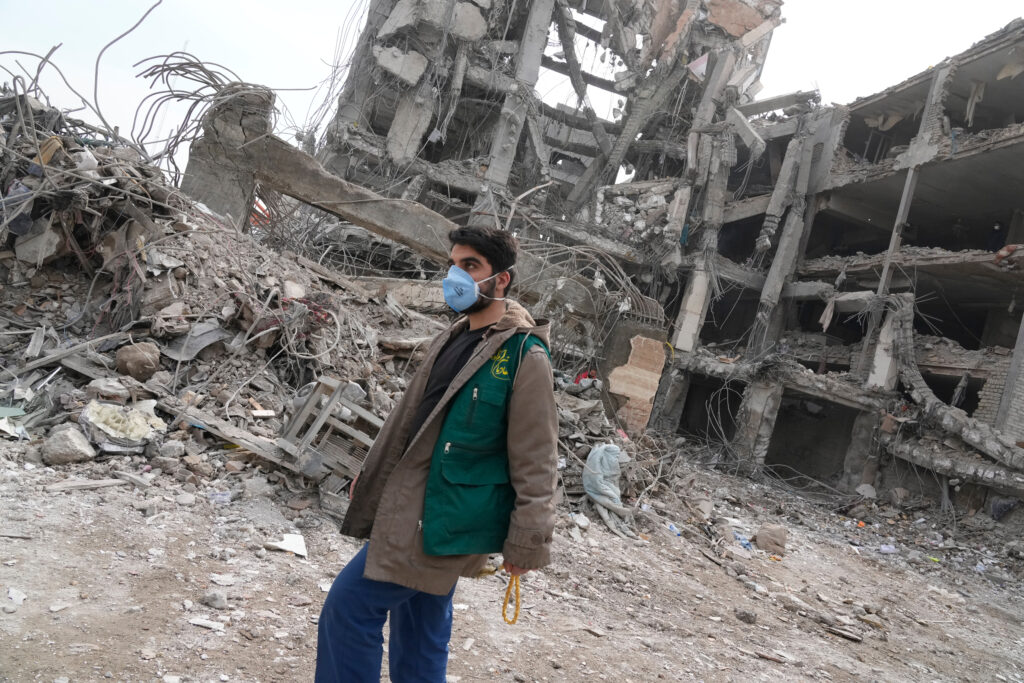
The Strait of Hormuz
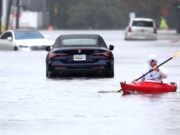
As warfare intensified, the Strait of Hormuz, the largest choke point for oil tankers, was stopped to a near standstill. The disruption has triggered a domino effect of crises across multiple nations, including the U.S., with higher gas prices.
For example, China receives 40% of Iran’s oil through the Straits of Hormuz and is experiencing the pressure. Beijing has been calling for the warring parties to return to diplomacy.
Economists and trade analysts broadly agree that as war persists, there will be increased energy prices, global trade disruptions, and slowed economic growth. The severity depends on how long the war lasts and whether the Strait of Hormuz remains compromised.
One fifth of global seaborne crude oil and liquified natural gas, and a third of the most widely used fertilizer, is shipped through the strategic waterway. For Iran, the waterway becomes a strategic weapon against its opponents.
“Iran’s strategy appears to bear some resemblance to Muhammad Ali’s ‘rope-a-dope’: absorb the blows, wait for fatigue, then counter,” said Mohsen Milani, public intellectual and professor of Comparative Politics at the University of South Florida, in a March 11 post on X.
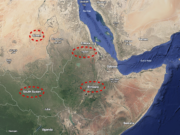
“After striking Israel and U.S. assets, Tehran has closed the Strait of Hormuz. Will the Houthis escalate next in the Bab el-Mandeb?” he asked, referring to another critical Middle East waterway for oil exportation.
Americans’ low appetite for war
The war is deeply unpopular among Americans already suffering higher food and fuel prices. A Quinnipiac University poll released March 9 found 53 percent of voters oppose U.S. military action against Iran, while 40 percent support it—Democrats (89–7 percent) and independents (60–31 percent) oppose it, while Republicans (85–11 percent) support it.
Opposition rises to 74 percent against sending U.S. ground troops to Iran, including Democrats (95–3 percent), independents (75–19 percent) and Republicans (52–37 percent). A majority (55 percent) say Iran did not pose an imminent threat to the U.S. before the airstrikes, while 39 percent believe it did.
“Voters are unenthusiastic about the air attack on Iran and there is overwhelming opposition to putting American troops on Iranian soil to fight a ground war,” said Quinnipiac University Polling Analyst Tim Malloy.
