











Cuts and rumors of further cuts to the Supplemental Nutrition Assistance Program (SNAP), once known as the “Food Stamps Program,” have left many people searching for help and assistance.
Benefits ended for approximately 42 million on November 1, due to the now record-long U.S. government shutdown. Then, two federal judges in Massachusetts and Rhode Island ruled separately in favor of the immediate restart of payments.
On November 4, President Donald Trump stated that he would withhold SNAP benefits until the government reopens. However, later that same day, White House Press Secretary Karoline Leavitt noted that the administration is fully complying with the court order, tapping into a contingency fund slated for emergencies, catastrophes, and war.
“And the president does not want to have to tap into this fund in the future and that’s what he was referring to in his Truth Social post,” she added.
A United States Department of Agriculture (USDA) update on its website indicated that due to the limited availability of federal funding and orders from two federal courts, the Food and Nutrition Service (FNS) is reducing SNAP maximum allotments to 50 percent of the eligible household’s current allotment for November 2025 in accordance with procedures.
The judges’ orders stem from a lawsuit filed on October 28, in which more than 23 states sued the Trump administration, arguing that its refusal to send SNAP benefits for November was unlawful. SNAP benefits for millions of Americans were suspended, despite the availability of $5 billion in contingency funds, the lawsuit argued.
“No matter how the rulings came down, the benefits for millions of people will be delayed in November because the process of loading cards can take a week or more in many states.
On Oct. 24, the USDA sent all state SNAP agencies a letter stating it is suspending all November 2025 benefit allotments until such time as sufficient federal funding is provided or until it is otherwise directed by the Food and Nutrition Service. Households shall receive retroactive benefits once the suspension is lifted upon availability of funds, and those with remaining benefits from prior months can continue to redeem those benefits, according to the lawsuit.
The lawsuit also argued that, in terms of the loss of trust with SNAP benefits, communities that need them the most are often reluctant to enroll in SNAP.
“This risk is heightened because it is States that operate SNAP on the ground and are forced into the position of trying to explain to needy, hungry people—who include hardworking individuals, families with children, seniors.
And veterans—why they will not be receiving the benefits they have been promised, despite the availability of funds and the federal government’s decisions to fund other programs during this shutdown,” continued the complaint.
However, on Nov. 7 it was reported that the U.S. Supreme Court temporarily froze the order requiring the Trump administration to provide the full SNAP benefits.
According to CBS News, Justice Ketanji Brown Jackson issued the order stating it would give a federal appeals court more time to reconsider whether to provide the Trump administration with longer emergency relief while the appeal in dispute over the payments moves forward.”
While reform to social safety net programs may be necessary, it should not be at the expense of the most vulnerable people who may need assistance.
The Honorable Minister Louis Farrakhan convened The Million Family March in 2000. From that gathering, “The National Agenda: Public Policy Issues, Analyses, And Programmatic Plan of Action” was produced.
The chapter titled “Welfare Reform” outlines several suggestions and solutions regarding government safety net programs. The chapter cautions about the fallout from completely cutting such programs.
“Inefficient institutions are partly responsible for the failure of welfare to serve its traditional charitable purpose. Now that the ‘safety net’ has been removed.
We will have to reinforce the ladder and the structure so that people don’t fall off and therefore need a safety net to prevent the trauma and pain of hitting the concrete ground of reality toward which we all may fall,” The National Agenda states on page 105. It was referencing welfare cuts made under the administration of President Bill Clinton.
“The zeal to ‘reform’ welfare at any cost, many politicians have ignored the realities of poverty facing our children and families. To think that states will be able to adequately feed, shelter, and provide health care for the poor with less money is wishful thinking at best,” The National Agenda notes on page 106.
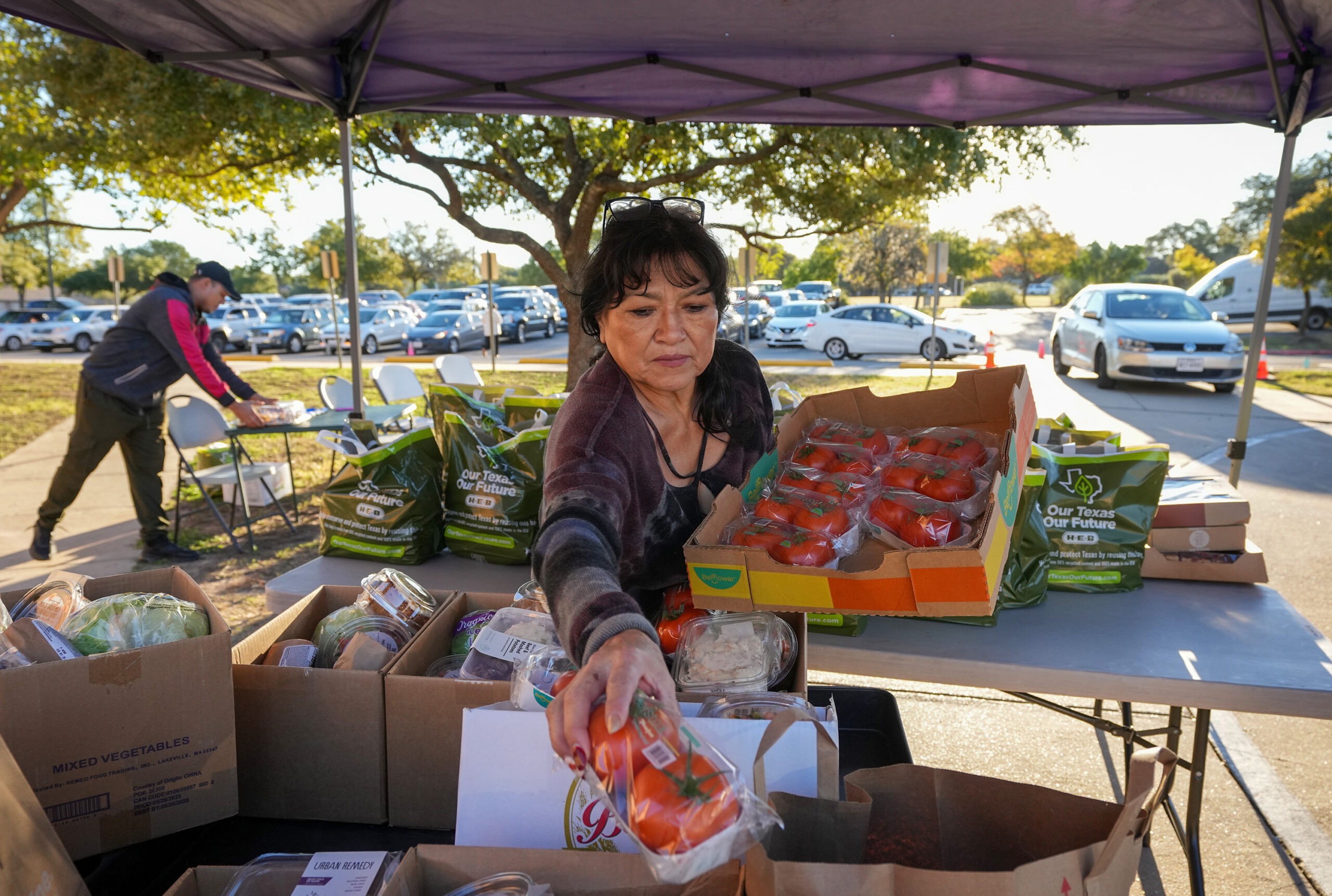
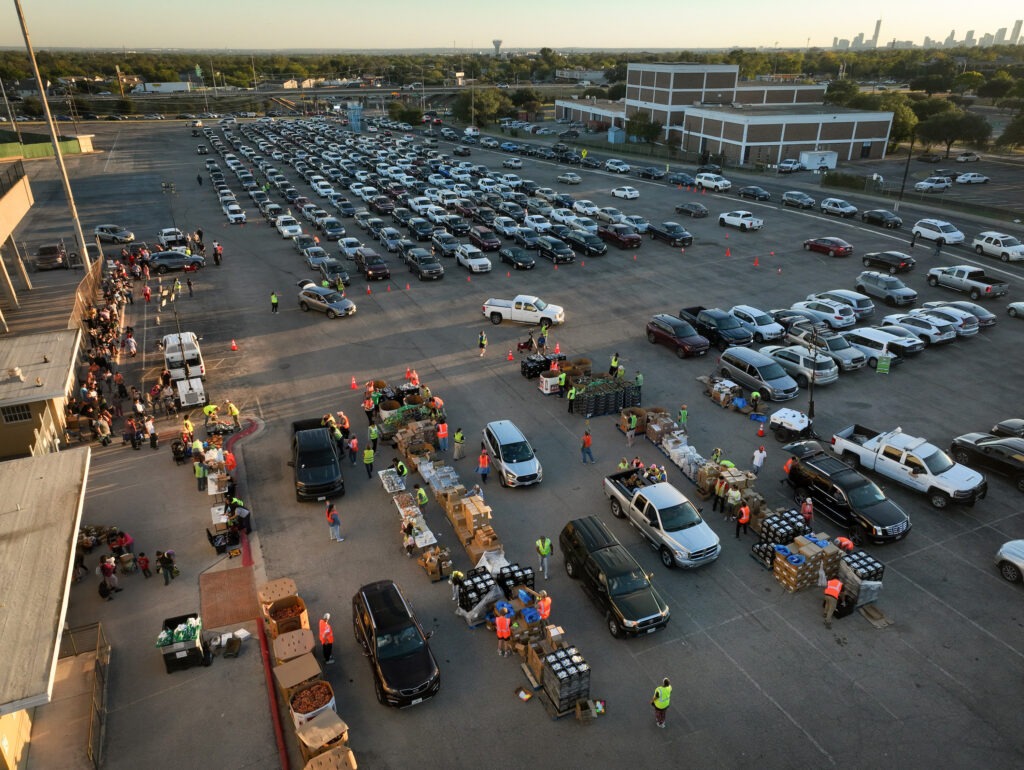
To help alleviate some of the pain people are experiencing who rely on SNAP benefits or who cannot afford food during these times, community organizations, individuals and others in some communities are mobilizing to help people.
Brother Reginald Muhammad is a member of the Nation of Islam and attends Mosque No. 64 in Austin, Texas. He has assisted residents by helping prepare meals for distribution on Nov. 2.
“If one is boots on the ground and involved in their community, seeing, hearing and feeling the loss of SNAP or any other benefits, they realize it affects a whole generation of people,” he explained. “These people are already in survival mode, but they’re feeling as if their government has failed them.
But then you have another force of power, where people are trying to survive, thinking, where can they get their next meal from or hustle to get meals, because many people don’t know, the schools here are losing benefits, too,” he stated.
Nyeka Arnold is the executive director and founder of The Healing Project ATX, which navigates resources to marginalized community members in Travis County, Texas, and surrounding areas.
Although most people who receive SNAP benefits are White, she underscored that the cuts are hitting Black people at an already trying time when they feel stretched thin. The crisis is creating an even deeper strain on families who were just starting to feel a sense of stability, she said.
“Our folks are tired—but they’re resilient. I’m seeing parents trying to hold it together, elders going without basics, and young people stepping up in ways they shouldn’t have to.
On the ground, it’s more than just numbers or policy changes—it’s the daily reality of choosing between food, transportation, or medicine,” Ms. Arnold told The Final Call in a written statement.
“But even in the middle of it, there’s still so much love and community showing up. We keep each other going, and that’s what continues to give me hope,” she added.
Pastor Rodney Lee of Willie Chapel Baptist Church in East Austin and members of his congregation also helped prepare, package and deliver food. “Our job is to reach out to those that are less fortunate right now than we are,” he stated.
