



WASHINGTON, D.C.—In a welcome boost for researchers, students, and anyone interested in contemporary Black American history, cardholders of the D.C. Public Library can now access—and stream—The HistoryMakers Digital Archive from anywhere. Whether on a home computer, tablet, or smartphone, a wealth of oral histories is just a few clicks away.
The archives, the nation’s most prominent Black American video oral history compilation, contain gems of Black history that can only be found on this site.
The HistoryMakers Digital Archive contains 150,153 oral history interviews with 2,712 historically significant Black Americans categorized to facilitate easier and more accessible research. The sections include politics, music, media, sports, law and religion.
The Honorable Minister Louis Farrakhan shared a memory from his early life during his interview, recalling a time when his mother took him and his brother to meet his maternal grandparents. “I remember the beauty of the island of Bermuda on my third birthday. I remember going over to Bermuda on a ship called the Monarch. It was very frightening to hear the sound of the ship’s horn when they were getting ready to leave the pier in New York. I remember, of course, the beauty of our little quarters and the ship.”
Minister Farrakhan continued his reflections stating: “My grandmother had a horse and a surrey and a beautiful little home. I remember the horse, called Cherry, and the surrey taking us to church on Sunday, and the beautiful smell of the grass. I think the native people call it sweet grass. From her veranda, I could look out and see the Atlantic Ocean. So Bermuda has a place in my life. My father was from Jamaica, and my mother from the island of St. Kitts. I have a great love for the Caribbean, the people of the Caribbean … we came back to the United States in 1934, and we took up residence in the City of Boston, Massachusetts, and that’s where my early life was.”
The HistoryMakers Digital Archive is recognized as the most extensive collection of video oral histories from Black people in America, featuring thousands of firsthand accounts from all around the country and fully searchable transcripts. It includes narratives from individuals across a broad spectrum of professions and backgrounds, preserving voices often absent from mainstream archives.
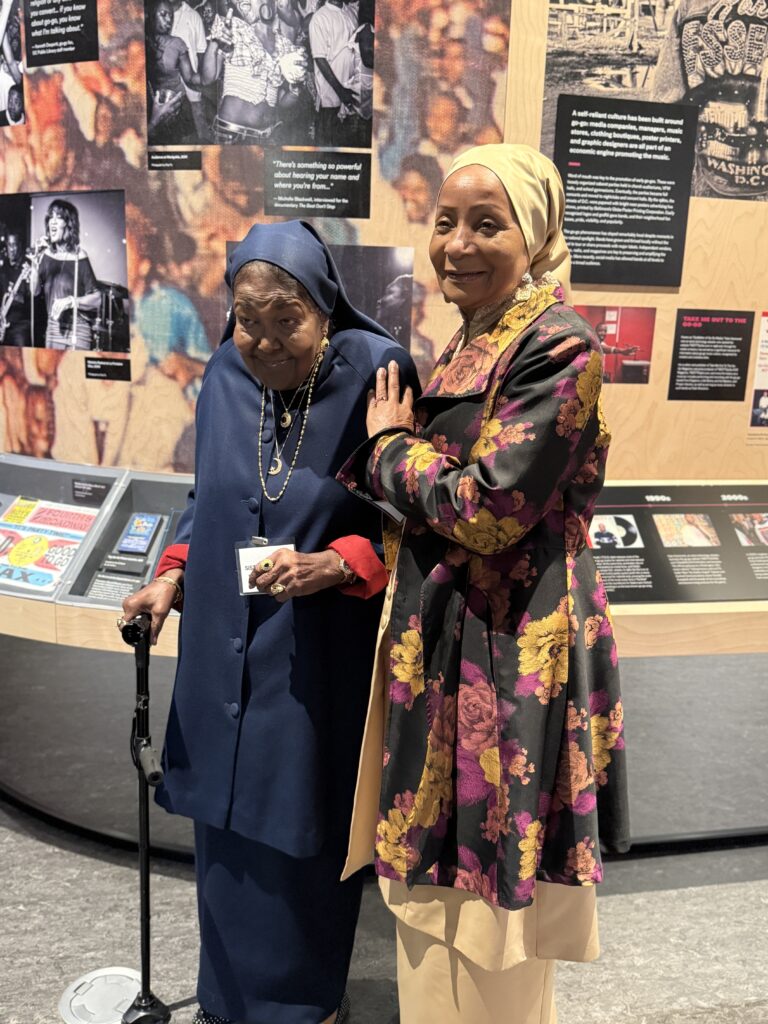
It is the brainchild of Julianna Richardson, who started collecting interviews 25 years ago. She is the founder and president of what has grown into a national, non-profit educational organization headquartered in Chicago, dedicated to preserving, developing, and providing easy access to an internationally recognized archive of thousands of Black American video oral histories.
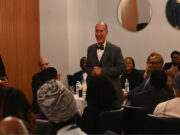
“In the 19th century, Black people, no matter where they were, all over the world, were either in some formerly indentured or enslaved state, or they were marginalized, except for places like Haiti or Cote D’Ivoire,” she told the audience at the launch of the D.C. Library subscription held Sept. 8. She explained that the 20th Century became the Black man’s century due to his progress and elevation. She believes it’s critical to preserve this history.
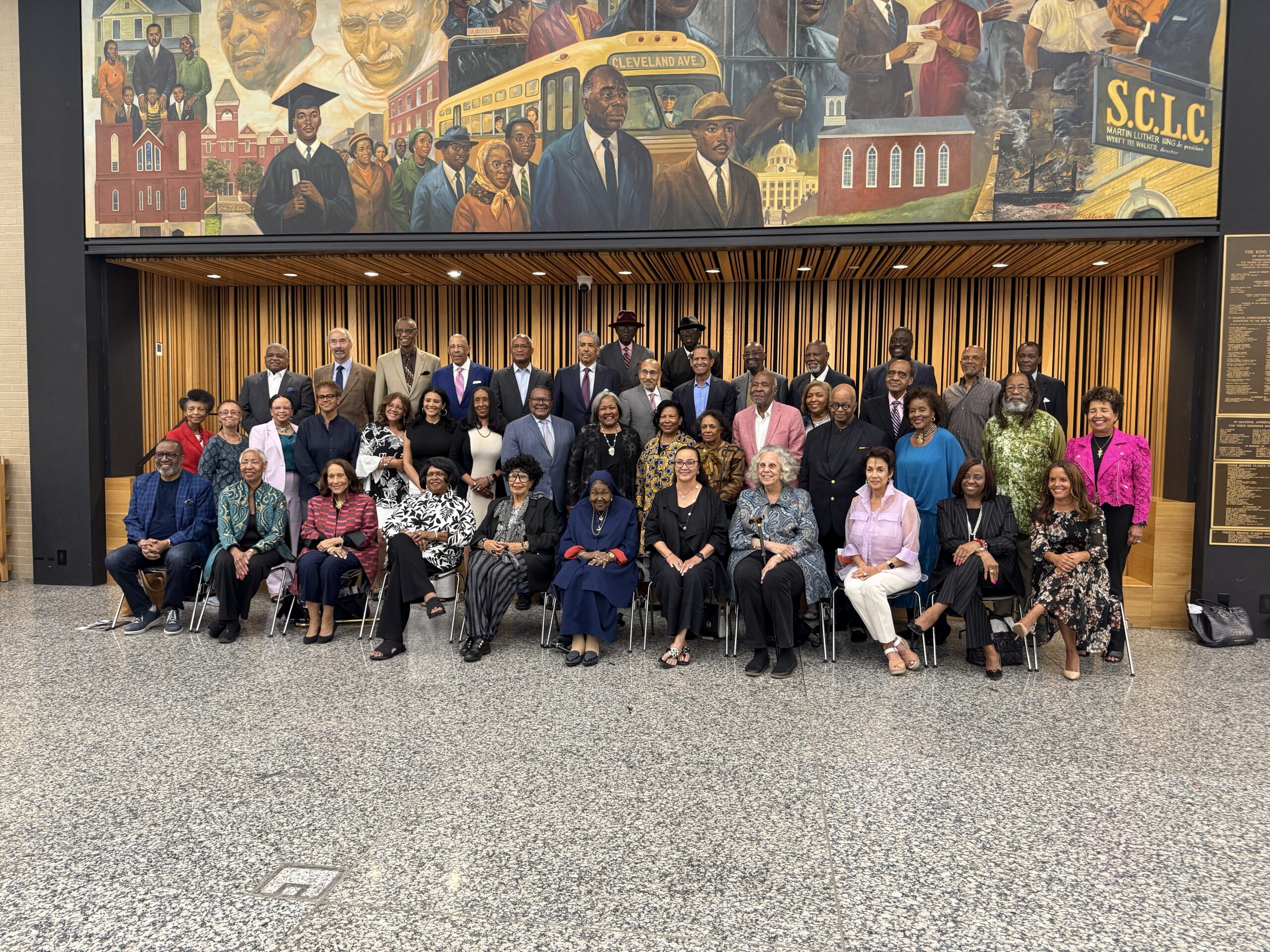
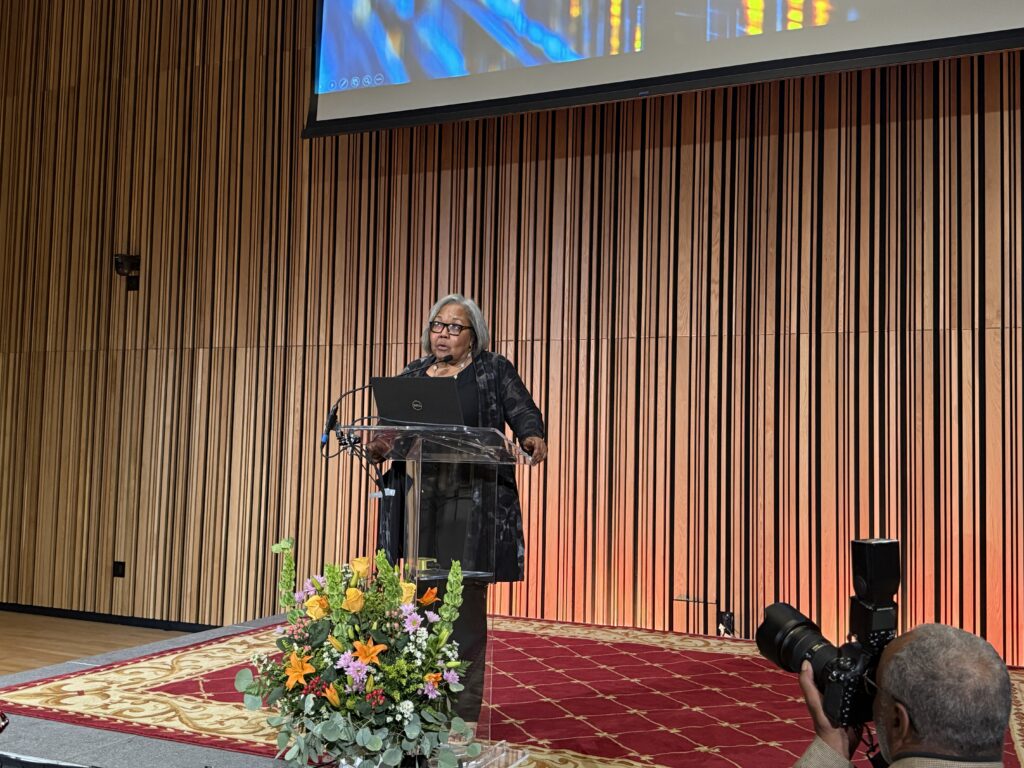
Many of the D.C. History Makers were present at the D.C. Public Library launch. They included journalist Joe Davidson, former President and CEO of the Congressional Black Caucus Foundation, Elsie Scott and Nation of Islam former Chief of Protocol Claudette Marie Muhammad.
“No matter what background they have, who they are, they are included. Many different people are doing various things, such as in the medical field, in the legal field, and just ordinary people like myself. I never thought I would be interviewed for something like this, just little me. It’s an honor,” Sister Claudette Marie said.
“HistoryMakers gives young people an opportunity to see that they could be anything they want to be, because they look at their elders. They can achieve many accomplishments and be inspired to be what they want to be. They get to see the beauty of the Black man and the Black woman,” she said.
This digital archive provides a new level of accessibility to primary sources, making the oral histories of notable Black American figures readily available to a broad audience. Now, D.C. residents and library users can explore rich personal narratives that contribute deeply to understanding cultural, civic, and social history. The archives can also be found at numerous colleges and universities, as well as in other public libraries in cities such as Chicago, Dallas, and Boston, and at the Library of Congress.
For more information, visit: historymakers.org
