











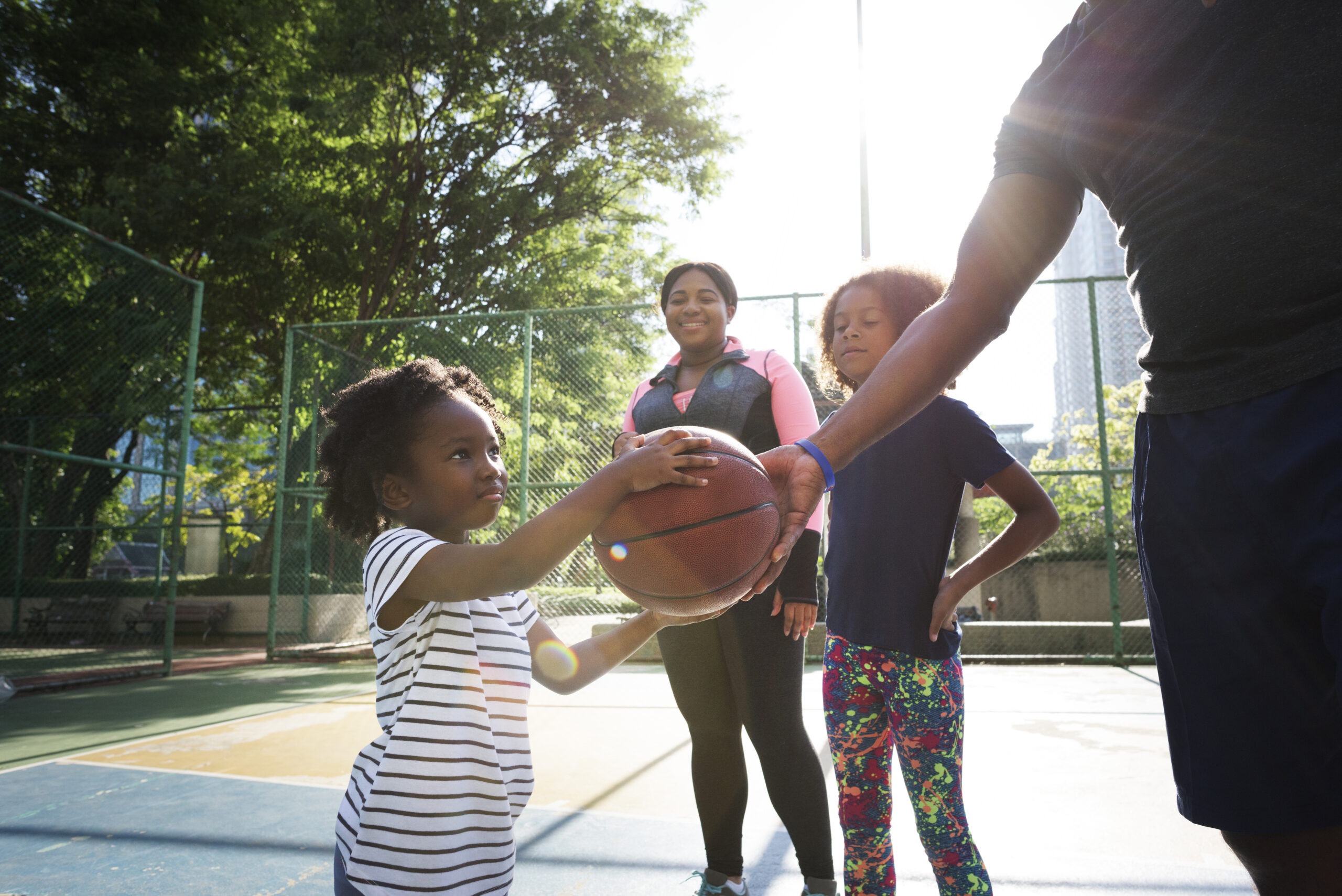

Once upon a time, “go outside and play” was heard in communities far and wide. However, in many instances today, that has been substitutedwith “get your tablet,” even though several studies show prolonged use of electronic devices by children can be harmful.
A recent study found that what children want most of all is real-world play—not screen time.
Amirah Jackson is a Washington, D.C., suburban wife and mother of four children, ranging in ages from 10 to 17. She’s also a contract nurse. She told The Final Call, “My children have limited screen time.
I loved going outside to play, and I want them to love it just as much. Fortunately, my house has a backyard where they can play whenever I say, ‘Go outside and play.’ They used to say, ‘Go outside and do what?’ I told them to use their imaginations.”
She explained she would also take her children to playgrounds as well to give them the opportunity to enjoy being outdoors. “Screens are good for some limited things, but the world is vast, and our children need to be able to explore it. Grow their minds beyond the screen, teach them to love nature,” she said.
Lenore Skenazy, Jonathan Haidt, and Zach Rausch partnered with the Harris Poll to investigate children’s online behavior. They found some missing pieces from the narrative that children are addicted to screens.
The survey of 500 children aged eight to 12 in their survey indicated that while many youngsters spend time online, it’s not because they prefer it—but because digital spaces often represent the only places they can interact with peers without adult oversight.
The survey highlighted how heightened parental anxiety, rigid supervision, and evolving social norms have drastically curtailed children’s freedom to play independently—leading to, in some cases, increased depression among some youth.
The authors discovered that digital technology provides children with access to virtual worlds where they can explore more freely than in the real world. Approximately 75 percent of children aged nine to 12 regularly play the online game Roblox, which allows them to interact with friends but also strangers.
However, most children in the survey reported restrictions on going out in public without an adult. Less than half of eight- and nine-year-olds have independently walked down a grocery-store aisle, and over a quarter are not permitted to play unsupervised, even in their own front yard.
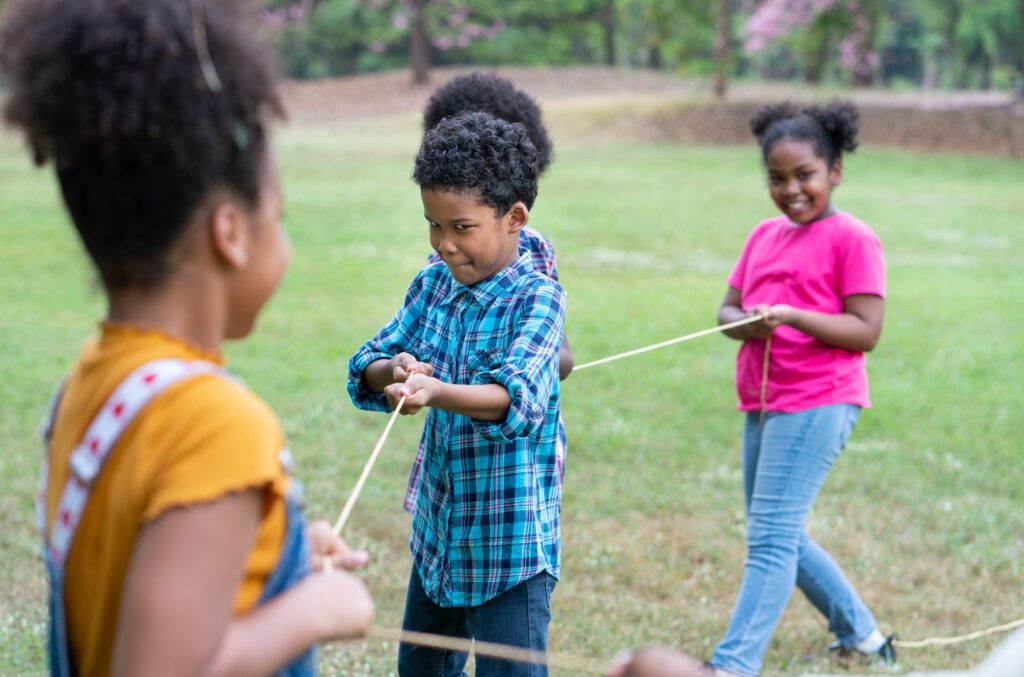
Haidt and his co-authors told The Atlantic, “If parents want their kids to put down their phones, they need to open the front door.” Significantly, nearly 75% of surveyed children agreed, noting: “I would spend less time online if there were more friends in my neighborhood to play with in person.”
The children in the study were asked to pick their favorite way to spend time with friends, which included unstructured play, such as playing basketball, exploring their neighborhood, participating in activities organized by adults like playing Little League and doing ballet, among other activities.
The answer was surprising. According to the children surveyed, they preferred meeting in person, without screens, but also without supervision. Regardless of whether socializing is done online or in person, parental involvement and supervision are necessary for the safety and security of their children.
However, since many parents limit their opportunities to socialize independently in the real world, children turn to their phones, which allow them access to or exposure to people without adult oversight.
Many parents from coast to coast are reluctant to let their children, regardless of age, out of their eyesight. Another Harris Poll asked parents about their expectations if two 10-year-olds played in a local park without supervision. Sixty percent believed the children would probably get hurt, while half thought they might be abducted.
Getting hurt on the playground is part of childhood. While parents are best positioned to evaluate their neighborhood risks, they should also consider the possibility of sometimes overestimating danger while still being cautious and knowing their children’s whereabouts and who they are interacting with.
Excessive supervision could impact children’s opportunities to build skills, confidence, and problem-solving abilities through real-world experiences. Indeed, unsupervised play and independence are associated with positive mental and physical health outcomes.
Reducing screen time and increasing outdoor activities is important for children. “There is scientific evidence that playing outside improves health, and children of all ages love it,” noted the 2024 article, “Playing Outside: Why It’s Important for Kids,” on Healthychildren.org.
According to the article, benefits of outdoor play include being physically healthier. “Children play harder outdoors than indoors and they need daily opportunities to do so.
More outdoor time is linked with improved motor development and lower obesity rates and myopia (nearsightedness) risk. Safely getting some sun also helps us make vitamin D that our bodies need to stay healthy and strong,” the article stated.
It also noted that playing outdoors could positively impact a child’s learning. “Playing outside promotes curiosity, creativity and critical thinking and focus. Studies have found that children who spent more time in nature exploration had improved learning outcomes.”
