










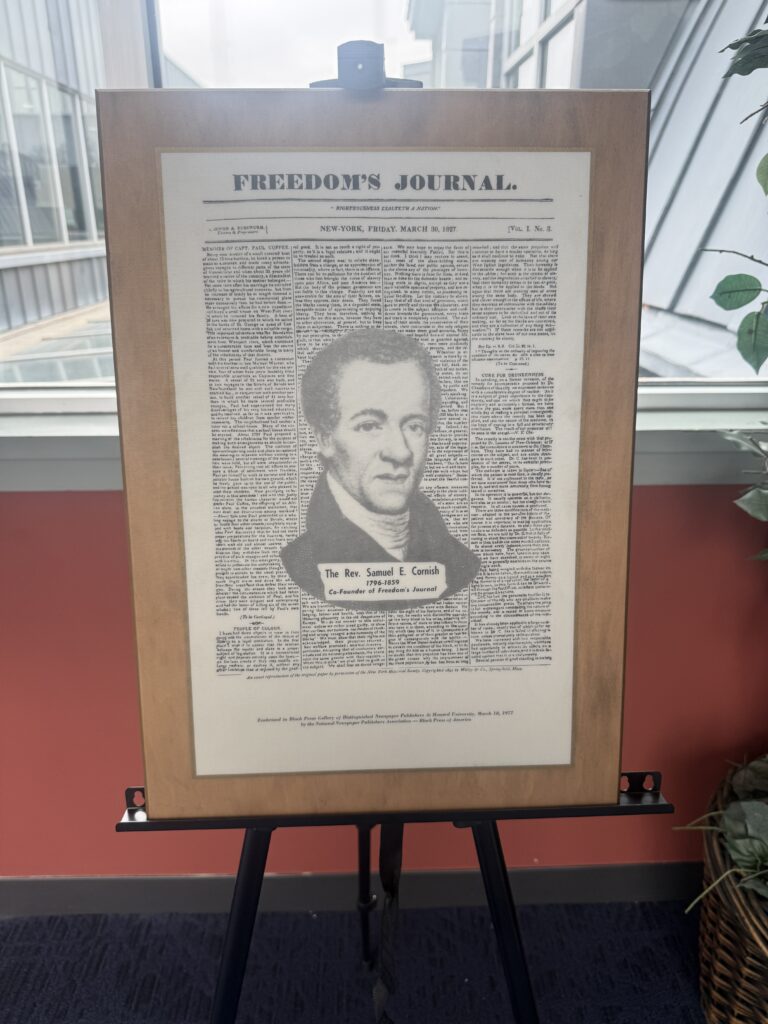
WASHINGTON, D.C.—In 1827 Freedom’s Journal, the first U.S. newspaper owned and managed by Black Americans, started publishing in New York City. The paper was the vision of John Brown Russwurm, a Jamaican-born graduate of Bowdoin College, and Samuel Eli Cornish, who graduated from the Free African School in Philadelphia, Pennsylvania.
“We wish to plead our own cause,” the editors wrote in the first edition. “Too long have others spoken for us. Too long has the public been deceived by misrepresentations, in things which concern us dearly.”

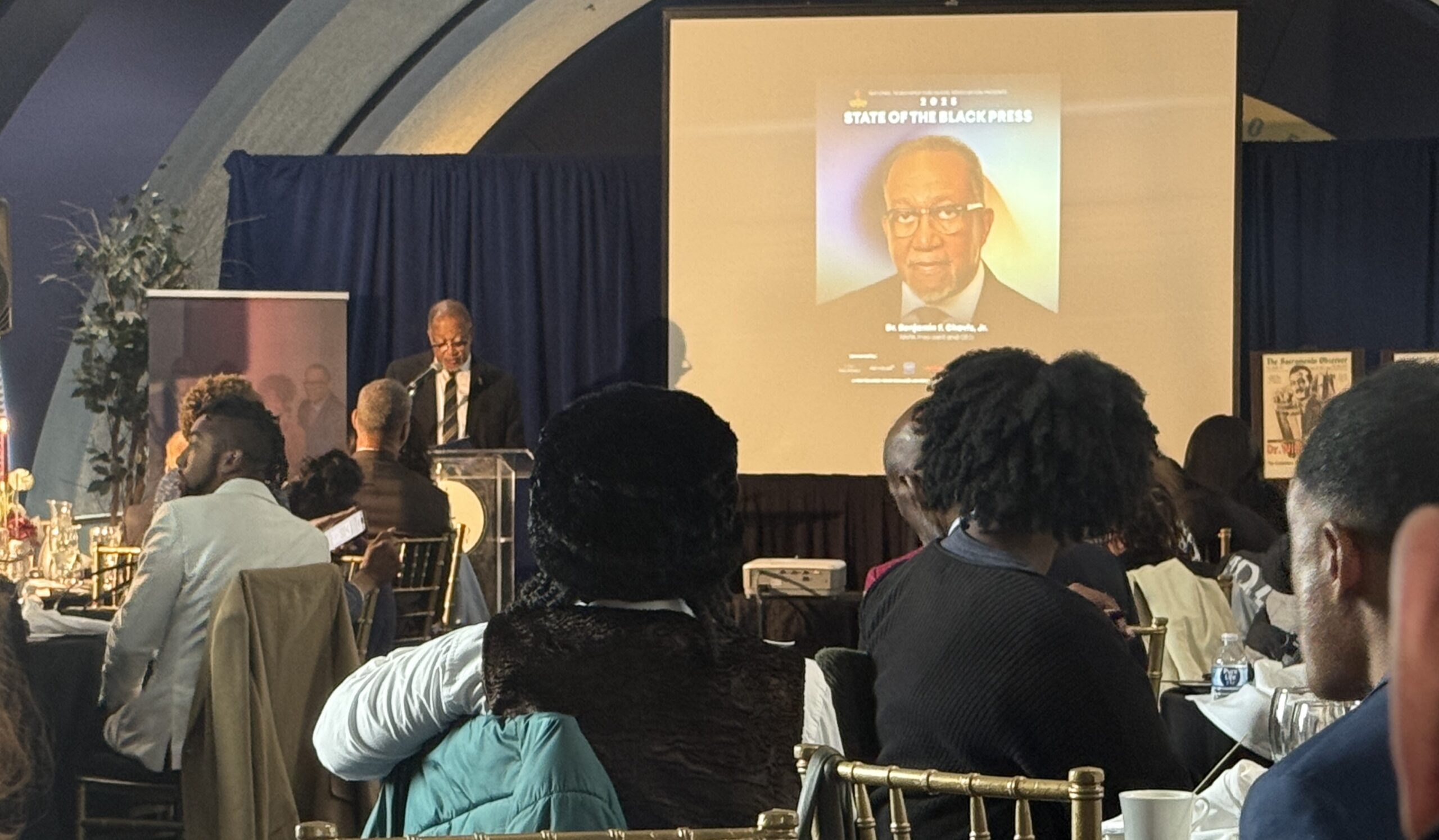
Fast forward to 2025 and the Black Press continues to tell their own story. Dr. Benjamin F. Chavis Jr., the President and CEO of the National Newspapers Publishers of America (NNPA), recently delivered his State of the Black Press speech during the annual Black Press Day held at Howard University.
NNPA/Black Press U.S.A. is a trade association of the more than 235 Black-owned newspapers from around the United States of which The Final Call is a member.
“The Black Press is the ‘trusted voice’ of over 50 million Black Americans throughout the 50 states,” Dr. Chavis said in his remarks delivered March 13. “Today we have 245 print publications and 13 digital and online publications who are members of NNPA.
In addition to 258 publishers, there are many more preparing to join. The value of the Black Press cannot and should not be understated or underestimated,” he added.
Members of the National Newspapers Publishers of America (NNPA) celebrated nearly two centuries of publishing stories that are often ignored by corporate-controlled mainstream media with an event that saluted several distinguished Black publishers that will be enshrined in the gallery of the Moorland-Spingarn Research Center on the Howard University Campus.
“The fact is the Black press emerged out of the Black church to render a visible and accountable antidote to the poisonous mainstream media’s demeaning and disrespectful news coverage of Black excellence and progress. Yes, a lot has changed.
But a lot has not changed,” Dr. Chavis said. “American racism has not changed. American denial has not changed about the centuries-long trauma that exists today from the genocide and enslavement of African people.”
He added, “American apartheid has not changed. The pseudo ideology of White supremacy has not changed, although it has become more digitized and social media and institutionalized in a range of government agencies and increasing, it is growing in the number of American corporations.”
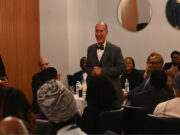
Dr. Chavis’ speech received thunderous applause. Black publishers came from around the country to celebrate another year of publishing. They also received an update on the digitization of the Black Press Archives housed in the renowned Moreland Spingarn Research Center (MRC).
Brandon Nightingale, senior project manager of the Black Press Archives, gave an update on the progress of the digitization of the Black Press Archives. He also explained that they are working on creating a bot that will answer questions using information from the Black Press Archives.
Dr. Chavis concluded by telling the audience, “Our cause today is to continue to report the facts and move as it happens. Yes, we face both new and old challenges.
The good news is today the perseverance and resilience of the Black press remains relatively intact. However, we need to work on how to best aggregate and distribute our news and advocacy content on all the current and emerging platforms.”
