











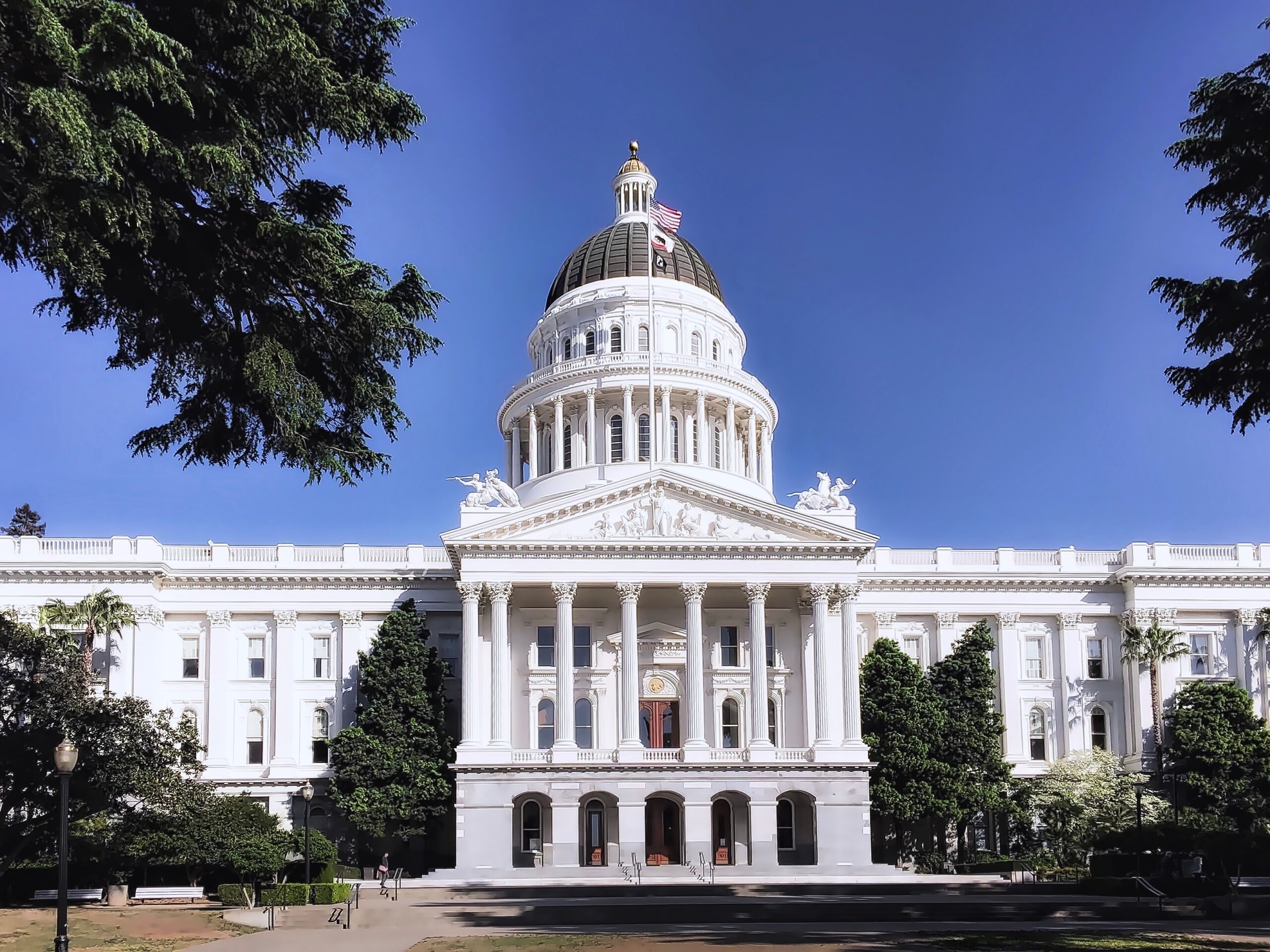

California will remove the racist, sexist and derogatory term “squaw” from all geographic features and places in the state, effective Jan. 1. The monumental step toward addressing historic injustices and honoring California’s Native American communities.
Means the renaming of over 30 locations in 15 counties that previously contained the derogatory term “squaw,” (hereafter referred to as the “sq_” term), according to the California Advisory Committee on Geographic Names (CACGN).
The renaming stems from Assembly Bill (AB) 2022, authored by Assemblymember James Ramos (D-San Bernardino) and approved by Governor Gavin Newsom on September 23, 2022. This effort marks a significant milestone for Native American women, notes the California Natural Resources Agency.
“The ‘sq_’ is a word that denigrates Native American women and dehumanizes them. I believe that dehumanization has contributed to the Murdered and Missing Indigenous People crisis that affects all of our people but that strikes women and girls in disproportionate numbers,”
Stated Assemblymember Ramos in a news release. In total, the Bureau of Indian Affairs estimates there are approximately 4,200 missing and murdered cases that have gone unsolved.
The term ‘sq_’ is recognized as a racial, ethnic, and gender-based slur, particularly aimed at Native American women, and its removal is a crucial step in recognizing the ongoing trauma and oppression that Native communities have faced, indicated a Nov. 15 CACGN news release.
California also passed a law (AB 1314) establishing the Feather Alert, which provides law enforcement with the resources they need to provide the public with timely information to help find a missing Indigenous person, said YoNasDa Lonewolf, an activist and daughter of Wauneta Lonewolf, an Oglala Lakota from Pine Ridge, South Dakota. The Feather Alert functions like an Amber or Silver Alert for children or the elderly.
“I feel that the rest of America could follow suit in regards to the laws and policies they have passed for and hearing the voices of Indigenous people,” said Ms. Lonewolf.
As people celebrate the U.S. holiday called “Thanksgiving,” and Indigenous Natives in America mark the 55th Annual National Day of Mourning, consider Pocahontas, cited by activists as one of the first real-life missing and murdered Indigenous women.
“She was the youngest girl taken and used as a sex symbol in order for Europeans to come to the New America. … She was one of the first of many that were used at a very young age as a sex symbol, and for human trafficking, for the settlers,” said Ms. Lonewolf.
“The word ‘sq_’ derives from all of that. It derives from the over-sexualization of the Native American woman, Indigenous women as a whole, Latina women as well as Natives. … They’re always talking about they want a woman that’s ‘exotic’ looking, so all of that is all combined together,” said Ms. Lonewolf.
Settlers renamed or imposed other derogatory names, for example, her tribe, the Lakota Dakota Nation, said Ms. Lonewolf. “But they called us the ‘Sioux,’ which means ‘stab in the back.’
They called a lot of the tribes’ derogatory names, and so many of the tribes are now reclaiming back their traditional names of who they are, because of the fact that they constantly use our language against us,” Ms. Lonewolf, added.
California’s renaming efforts follow federal action in 2022 to complete the removal of this slur from nearly 650 geographic features across the country.
The federal action was a last step in the historic efforts to remove a term from federal use that has historically been used as an offensive ethnic, racial and sexist slur, particularly for Indigenous women, according to the Interior Department.
The list of new names can be found on the U.S. Geological Survey website with a map of locations. The renaming effort included several complexities:
Evaluation of multiple public or Tribal recommendations for the same feature; features that cross Tribal, federal and state jurisdictions; inconsistent spelling of certain Native language names; and reconciling diverse opinions from various proponents.
“I feel a deep obligation to use my platform to ensure that our public lands and waters are accessible and welcoming. That starts with removing racist and derogatory names that have graced federal locations for far too long,” said U.S. Interior Secretary Deb Haaland.
“I am grateful to the members of the Derogatory Geographic Names Task Force and the Board on Geographic Names for their efforts to prioritize this important work.
Together, we are showing why representation matters and charting a path for an inclusive America,” added Secretary Haaland, a member of the Pueblo of Laguna and a 35th-generation New Mexican, and the first Native American to serve as a cabinet secretary.
